1. What a marine aquarium involves
A marine aquarium is more demanding than a freshwater one, but it is not out of reach for a beginner. The main difference is the water: you mix it yourself from sea salt and pure osmosis water, and its salinity, temperature and nutrients have to be measured regularly. A marine tank also needs more equipment: strong flow, a protein skimmer and a suitable light.
The most important quality is patience. A new tank needs several weeks for the bacteria to grow, and the first animals are added gradually. Rushing is the most common reason a beginner's marine tank fails.
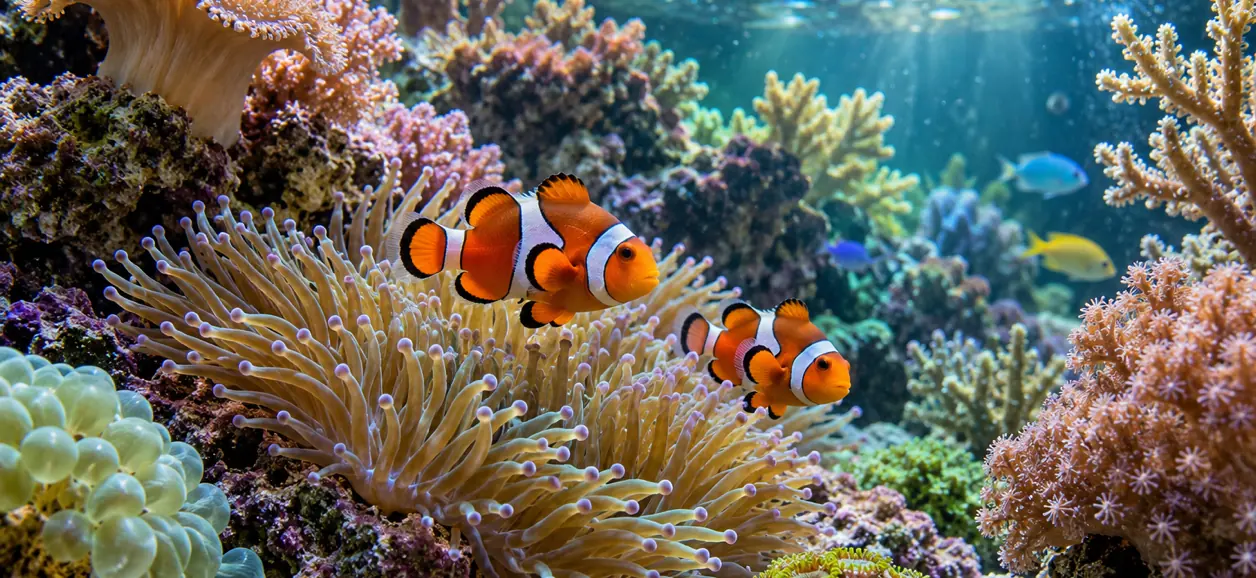
For a beginner it is easier to start with fish and soft corals. More demanding stony corals, such as SPS corals, need very stable water and precise care. It makes sense to add them only once the tank has run stably for several months and you know its rhythm.
The size of a marine tank affects its stability. In a large volume of water salinity and temperature change more slowly, so mistakes do not hit as fast. A very small marine nano tank is possible but needs more frequent checks.
2. Equipment you need
The water is prepared with a reverse osmosis (RO) unit, which removes salts, nitrate, phosphate and other substances from tap water. According to the manufacturer, the ARKA myAQUA 380 is an RO system that produces up to 380 litres of osmosis water a day, needs no electricity and works on water pressure. Many marine aquarists add a deionising resin filter after the RO unit as well.
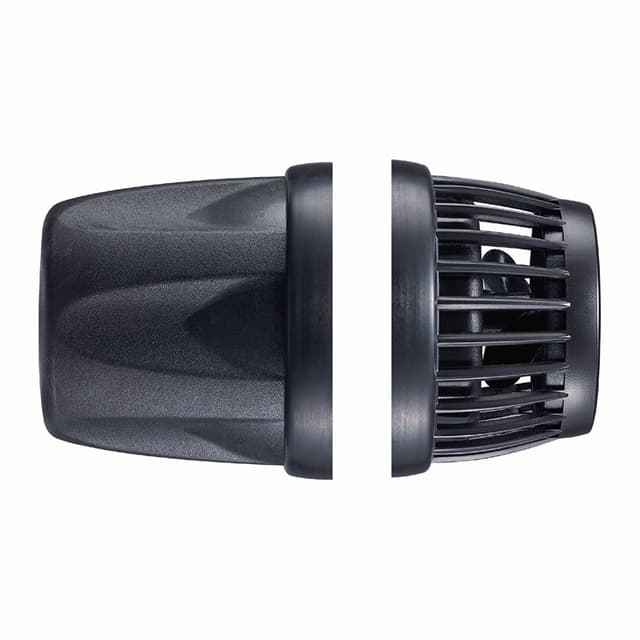
Marine water needs strong, varying flow. A wave pump such as the Aqua Nova NWA is mounted on the tank wall with a magnet, and according to the manufacturer its flow can be set in several modes. A protein skimmer removes organic matter from the water before it breaks down. According to its description, the Aquaforest All-in Skim 150 combines a protein skimmer, air and CO2 filters and a biological filter.
You also need a heater with a thermostat that suits salt water, a thermometer, a salinity meter and a basic set of tests. The lighting depends on what you want to keep: fish need less light than corals.
3. Sea salt and salinity
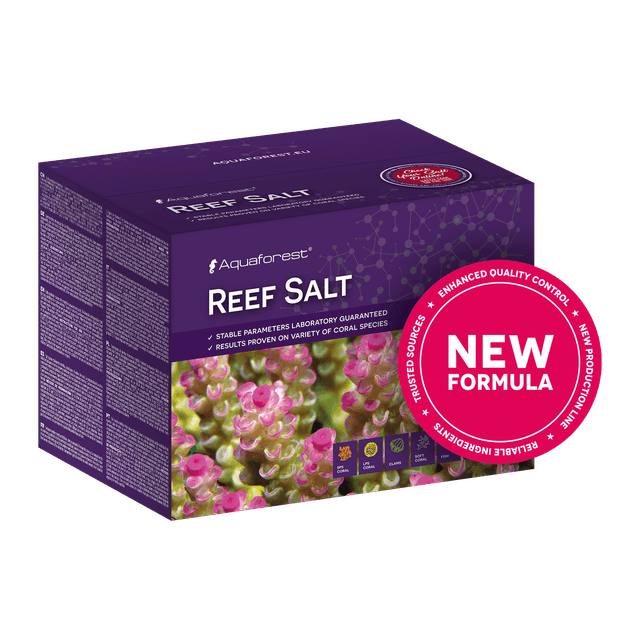
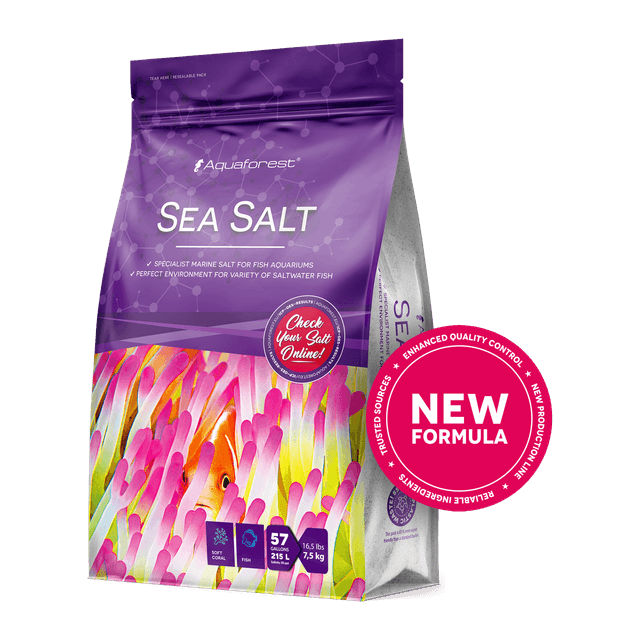
Sea salt is chosen according to what you plan to keep. According to the manufacturer, Aquaforest Sea Salt is made for fish, less demanding corals and invertebrates and also suits fish-only tanks. Aquaforest Reef Salt is made for all reef aquariums, including tanks with SPS corals, according to the manufacturer.
Salt is mixed in a separate container, not in the aquarium. Aquaforest recommends starting with RO water at about 24 °C, adding the salt and stirring vigorously for about 15 minutes until the salt has fully dissolved and the water is clear. According to the manufacturer, about 390 g of Reef Salt in 10 litres of water gives a salinity of 33 ppt (SG 1.025); for Sea Salt the recommendation is 30 ppt (SG 1.022) with about 345 g per 10 litres.
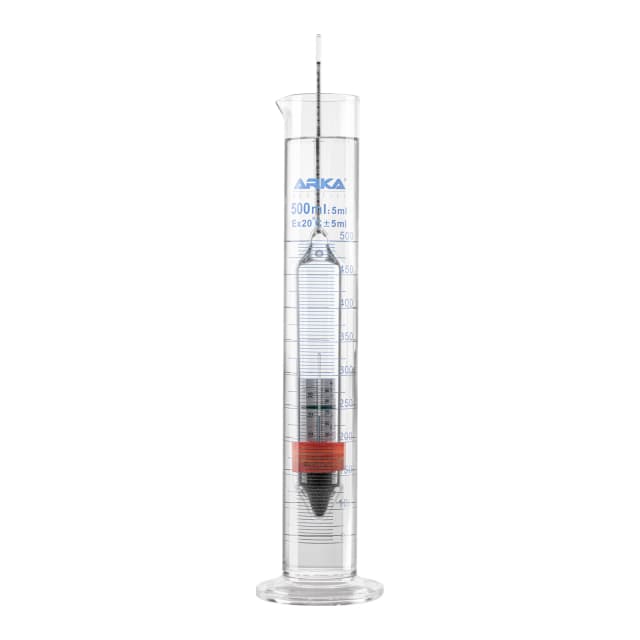
Always check the salinity with a meter before use. According to the manufacturer, the ARKA hydrometer measures salinity via density in the range 1.018–1.028, and the reading should be taken at 25 °C. A refractometer is more precise. The manufacturer says mixed water should be used within three days and kept in a tightly closed container.
Water evaporates, but the salt stays in the tank. That is why evaporated water is topped up with pure RO water, not salt water, otherwise salinity creeps up over time.
4. Rock, sand and cycling the tank
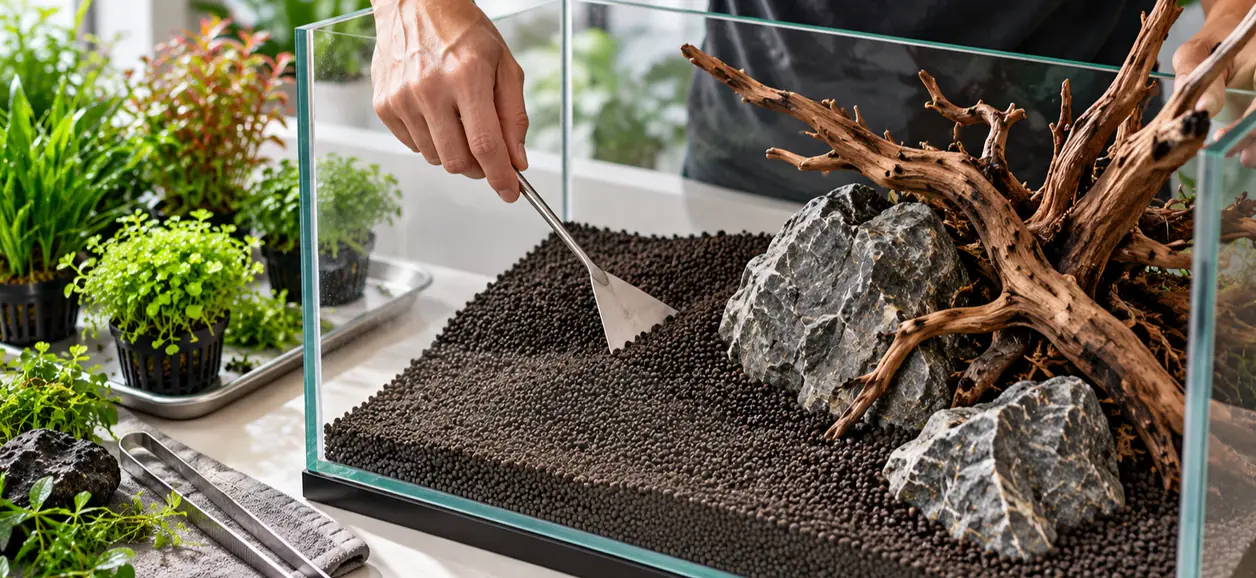
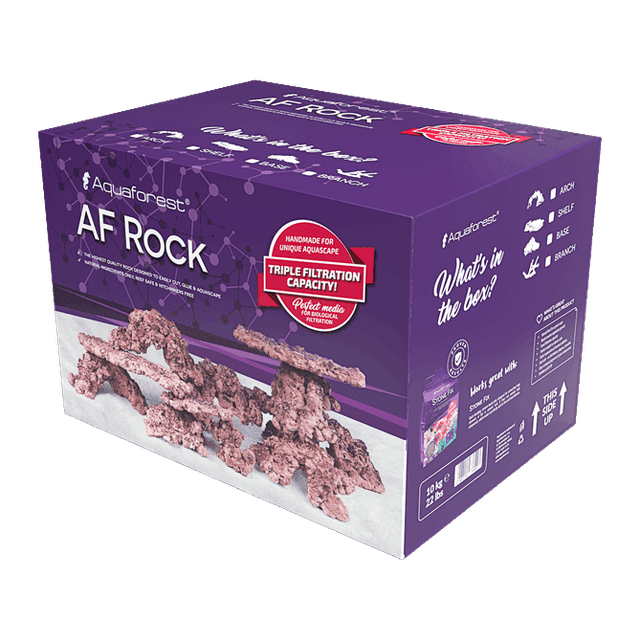
Rock is also part of the filter in a marine tank, because bacteria live in its pores. According to the manufacturer, Aquaforest AF Rock is a handmade rock that, unlike live rock, does not bring unwanted algae or organisms such as aiptasia into the tank. Rinse the rock in RO water before use, as the manufacturer recommends. AF Bio Sand is a white sand supplied with nitrifying bacteria.
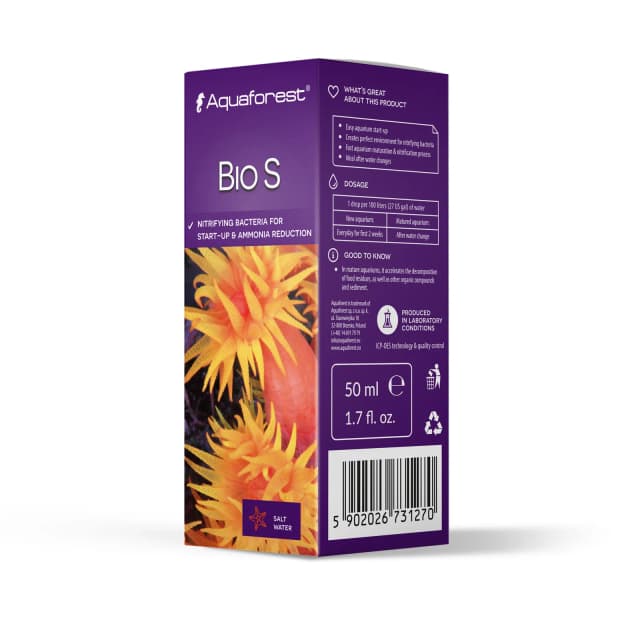
Once the rock and sand are in place, the tank is filled with mixed salt water and the flow, heater and skimmer are switched on. Bacteria help to start the cycle: for Aquaforest Bio S the manufacturer recommends 1 drop per 100 litres every day for the first two weeks in a new tank.
The cycle usually takes several weeks. Measure ammonium, nitrite and nitrate. When ammonium and nitrite have dropped close to zero, the tank is ready for its first inhabitants. During this time a brown layer of diatoms may appear on the glass and sand; this is common in a new tank and often passes by itself.
5. The first inhabitants
Add inhabitants slowly, a few at a time with weeks in between. That lets the bacterial colony grow along with the rising load. Start with hardy species and choose fish that suit the tank size and each other; ask the seller about this before you buy.
Acclimatise new animals slowly to the tank water and temperature. Many marine aquarists keep new fish in a separate quarantine tank before adding them to the main tank, to avoid bringing in diseases and parasites. For corals, cleaning dips such as Aquaforest AF Protect Dip are used before they go into the tank; follow the manufacturer's instructions exactly.
Feed sparingly at first. Food leftovers raise nitrate and phosphate, which encourage algae in a young tank. Check the water values after every new animal.
6. Everyday care
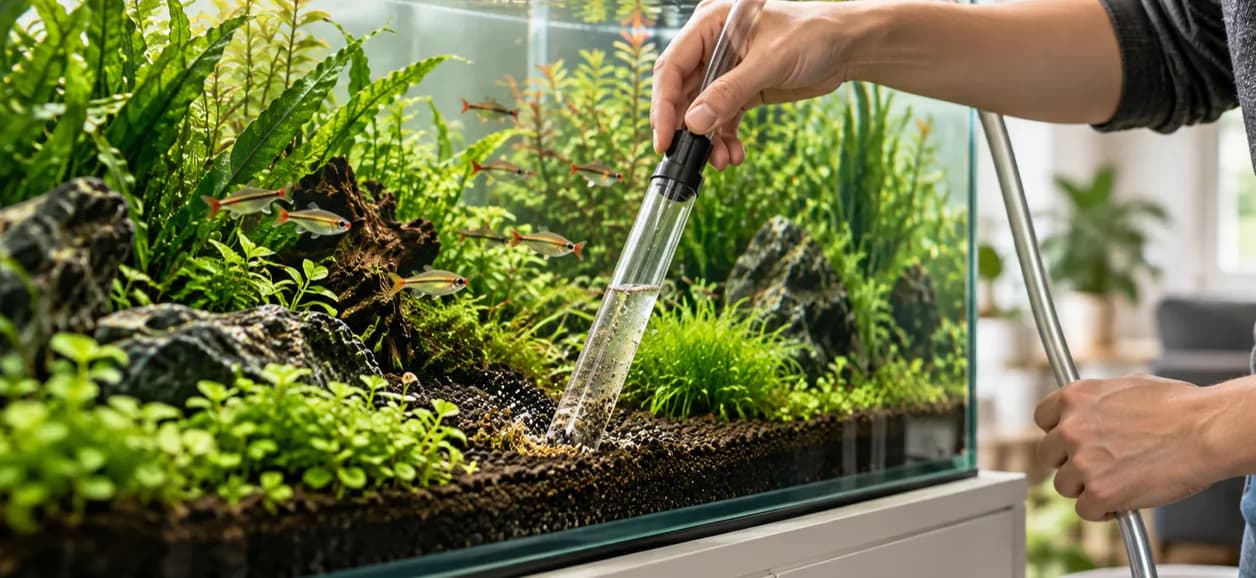
Check the temperature and water level every day and top up evaporated water with RO water. Empty the skimmer's collection cup when it fills. With its ready-made seawater AF Perfect Water, Aquaforest recommends changing 10% of the tank water once a week; prepare the replacement water the same way as for filling the tank.
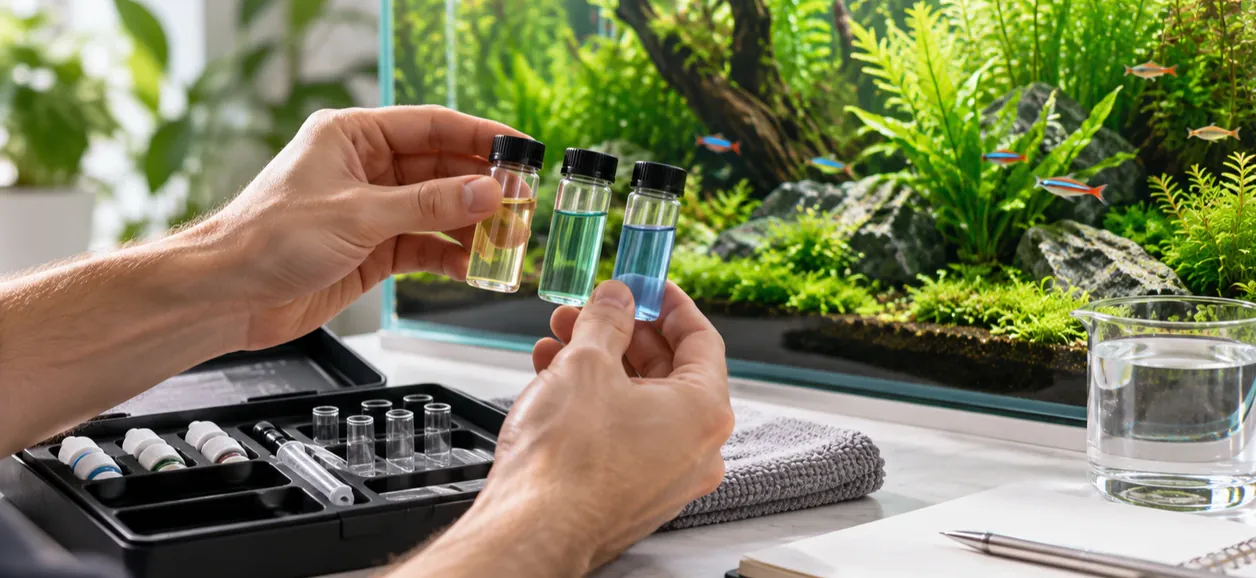
Measure nitrate and phosphate regularly. According to the descriptions of Aquaforest's tests, nitrate in a reef tank should be 2–5 mg/l and phosphate no more than 0.02 mg/l. In a tank with corals, KH, calcium and magnesium are monitored too, because corals use them up.
When coral consumption grows, the Balling method is used to add macroelements. According to the manufacturer, Aquaforest Component 3 in 1 contains calcium, magnesium and KH in one bottle; the manufacturer suggests starting with 5 ml per 100 litres a day and monitoring KH. Start with supplements only when your measurements show they are needed.
Key marine water values for beginners
| Value | Target | Source or how to measure |
|---|---|---|
| Salinity, reef tank | 33 ppt (SG 1.025) | Aquaforest Reef Salt; hydrometer or refractometer |
| Salinity, fish and soft corals | 30 ppt (SG 1.022) | Aquaforest Sea Salt; hydrometer or refractometer |
| Temperature | about 24–26 °C | Thermometer |
| Nitrate (NO3) | 2–5 mg/l | Aquaforest nitrate test |
| Phosphate (PO4) | up to 0.02 mg/l | Aquaforest phosphate test |
| Water change | 10% a week | Aquaforest, AF Perfect Water |
Checklist
- Prepare the water with an RO unit
- Choose the salt by what you want to keep
- Mix salt in a separate container and measure salinity
- Top up evaporation with RO water only
- Rinse rock in RO water before use
- Wait for the cycle to finish and measure ammonium and nitrite
- Add inhabitants slowly, a few at a time
- Measure nitrate and phosphate regularly
Products for this guide
from€12.50
Unit price: €6.25 / kg
from€26.99
Unit price: €3.60 / kg

from€108.99
Unit price: €10.90 / kg
from€8.75

Frequently asked questions
Is a marine aquarium suitable for a beginner?
It can, if you are ready to test regularly and wait patiently. Start with fish and soft corals and add more demanding corals only to a stable tank.
Can I mix sea salt with tap water?
Aquaforest recommends mixing its salt with RO or demineralised water. Tap water can contain nitrate, phosphate and other substances that encourage algae.
How long does it take to cycle a marine tank?
Usually several weeks. Bacteria products help, but the decision is based on measurements: when ammonium and nitrite have dropped close to zero, the first inhabitants can go in.
What should I top up evaporation with?
With pure RO water. Only water evaporates and the salt stays in the tank, so adding salt water would raise the salinity.