

€10.99
Unit price: €4.40 / kg
€20.99
Unit price: €4.20 / kg
€13.99
Unit price: €2.80 / kg
Advice and care
How to choose aquarium stones
Weigh up style, size and whether the stone changes water hardness.
One main stone
Pick one large main stone and a few smaller ones, and place them by the rule of thirds.
Hardness
Some stones raise hardness; test the water if you keep soft-water species.
Attaching plants
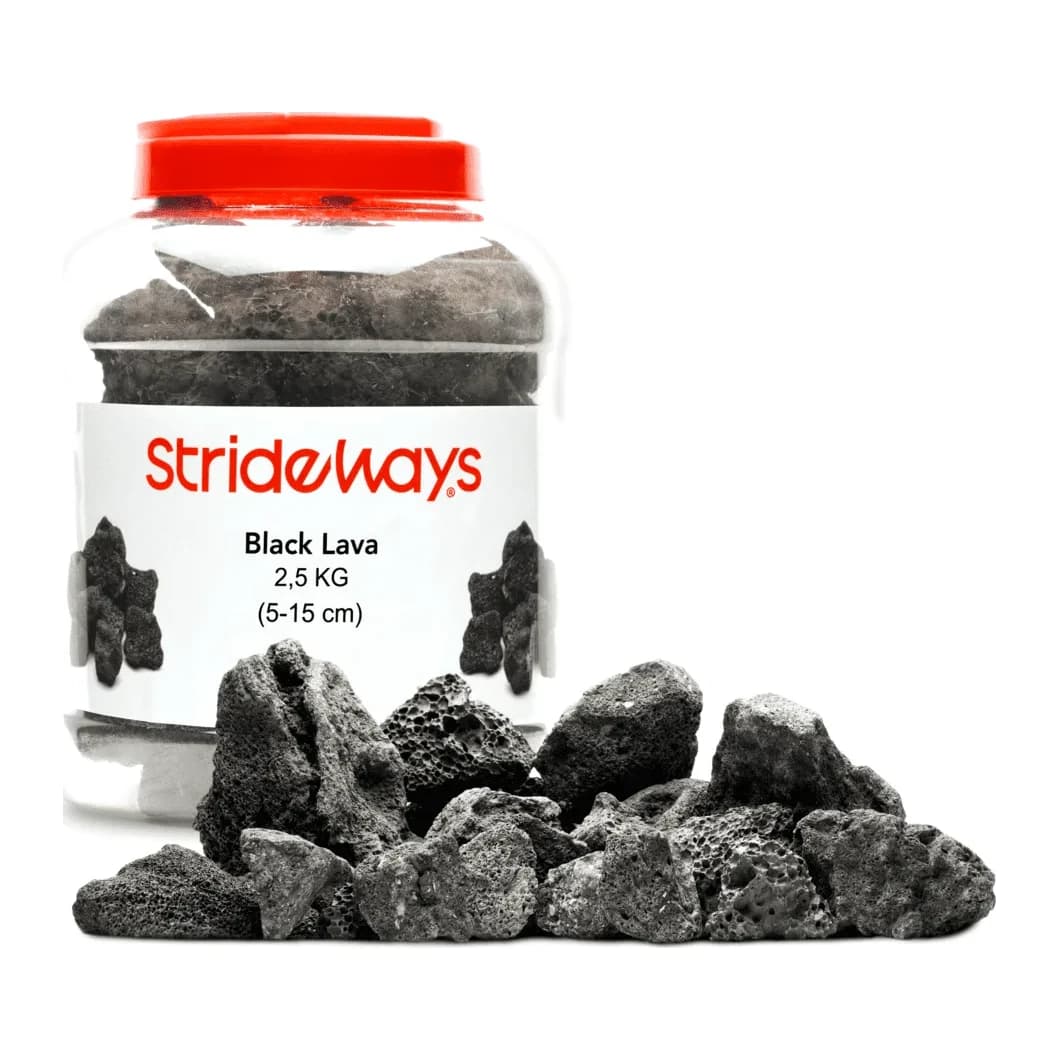
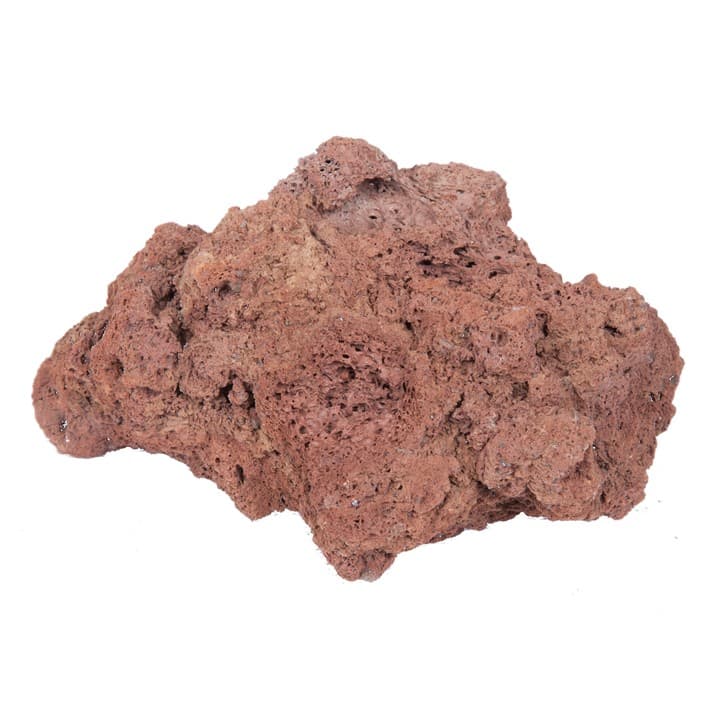
Lava rock's rough surface suits attaching anubias and mosses.
Popular brands
All brandsFrequently asked questions
How can I check whether a stone raises hardness?
Put a few drops of vinegar on it: if it fizzes, the stone contains limestone and raises hardness. Testing the water before and after adding the stone is more reliable.
How much stone does a tank need?
It depends on the style: an iwagumi needs more stone, a plant-heavy tank less. Plan the layout dry before planting.
Read more
Rocks are the backbone of an aquascape: they give the layout height, depth and rhythm and hold the substrate in place on slopes. Stones stay in the tank for years, so take time over choosing and placing them before the water goes in.
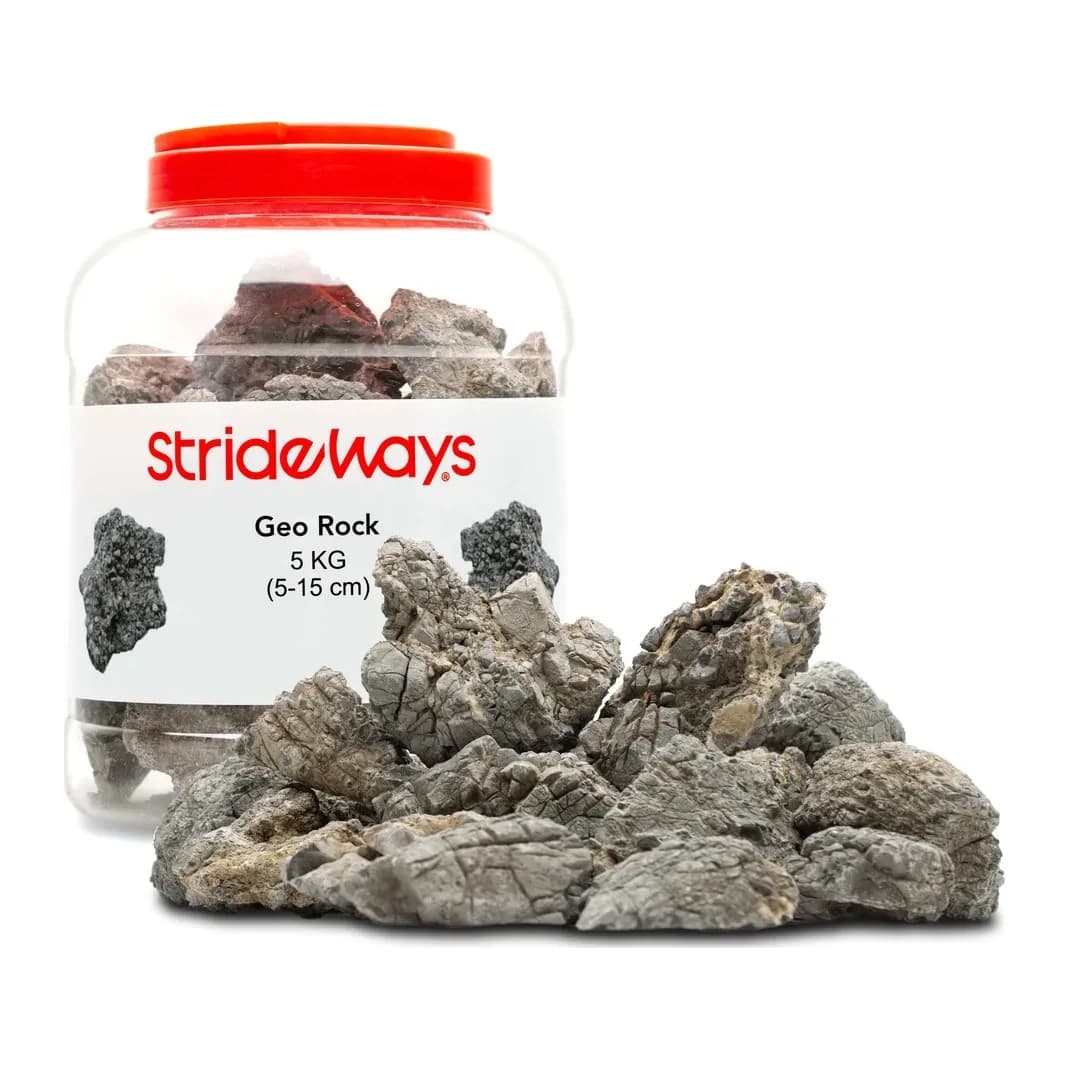
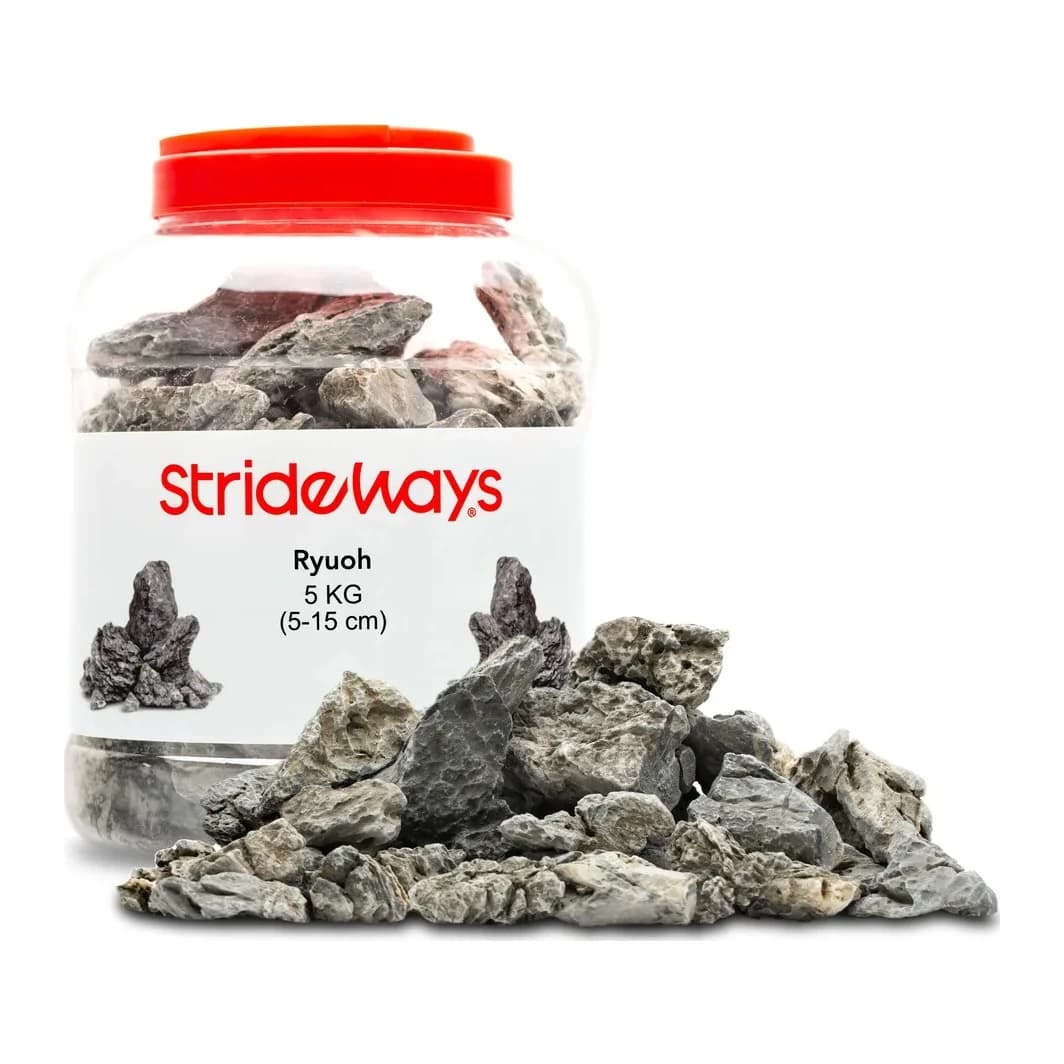
The range includes light, porous lava rock, including black lava rock, and stones with sharp edges and a distinct surface pattern. Lava rock is good for attaching plants, while patterned stones form the core of iwagumi and other natural layouts. Use one type of stone per aquarium so the landscape looks coherent.
Try the composition dry first, in the empty tank or on a table, and take a photo so you can repeat it later. Set large stones directly on the bottom glass or a base mat rather than on top of the substrate, so they do not sink or topple later. Rinse the stones before use.