1. Why plants need light
Plants use light for photosynthesis: they turn light, water and carbon dioxide into the substances they need to grow. With too little light, plants grow slowly, stretch and lose their lower leaves. With too much light compared with nutrients and CO2, algae usually get the upper hand.
That is why the goal is not the brightest light but balance. Light, nutrients and CO2 work together: if you raise the light, the other factors need to keep up. For a beginner the safest choice is plants that also suit low light, and keeping the light moderate.
2. Choosing an LED light
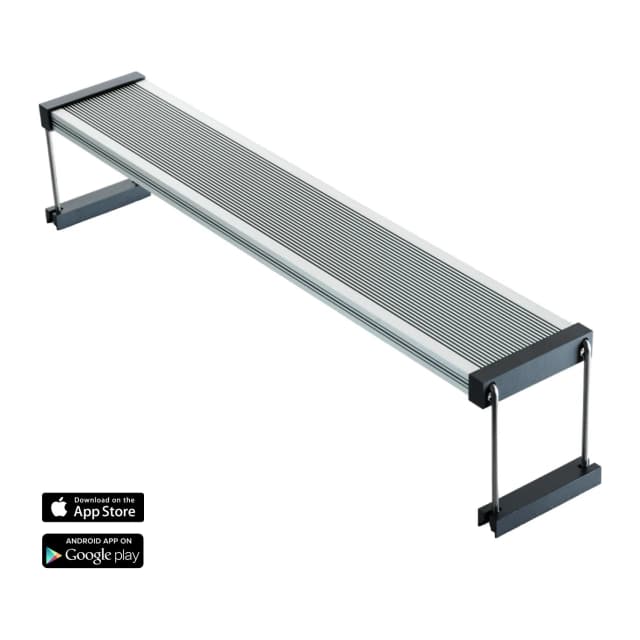
Today LED is the standard aquarium light: it uses little electricity, runs cool and lasts a long time. Choose by the length of the aquarium: the manufacturer states for each model which length and glass thickness it suits. Twinstar Light V 200EA, for example, is designed for a planted aquarium 20–25 cm long, while Twinstar Light 60B III suits tanks up to 70 cm.
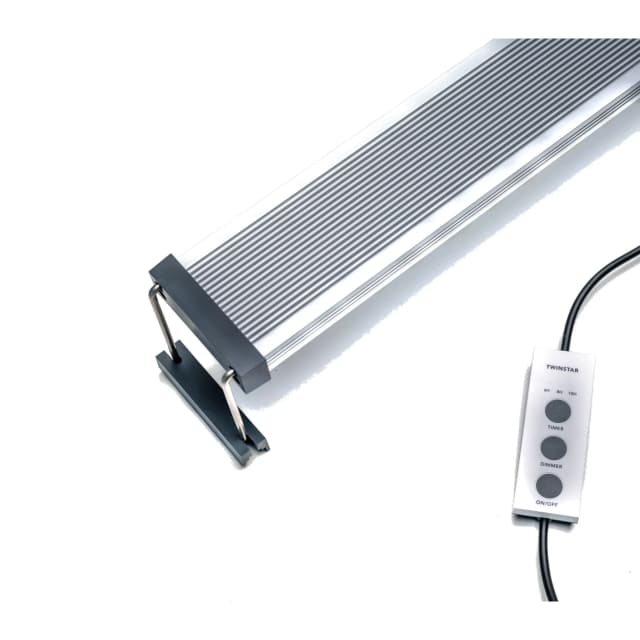
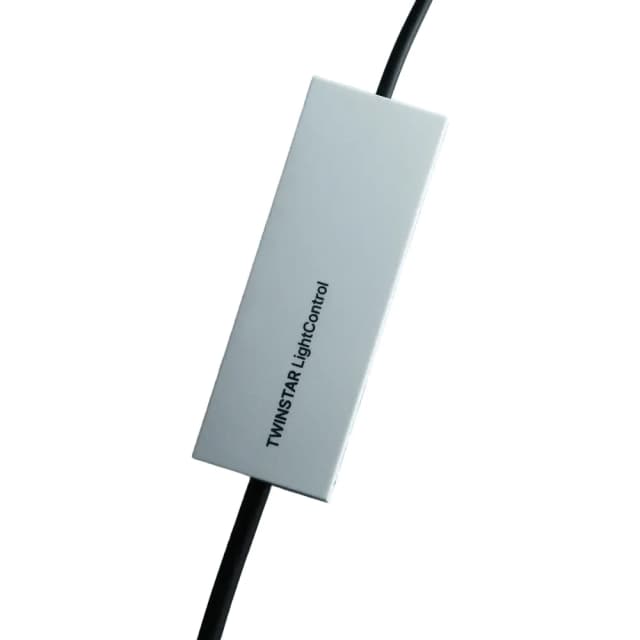
If you want to replace an old fluorescent tube with LED, the AquaEL LEDDY TUBE 10W PLANT 2.0 is a replacement module for T5/T8 lamps with a spectrum strengthened in the red and blue bands to support plant growth. If you want to automate the light, the Twinstar LightControl Bluetooth controller lets you set a 24-hour timer and raise the brightness gradually.
Think about mounting as well. A light can rest on the rim of the aquarium on brackets or hang above it. The Twinstar Hanging Kit holds the light above the aquarium, leaving room on top for maintenance and working with tweezers.
3. Photoperiod: about 8 hours
The usual recommendation is to keep the light on for about 8 hours a day. A longer photoperiod does not make plants grow faster but gives algae more opportunity. When you start, you can even begin with 6 hours and lengthen it once the aquarium is stable.
Use a timer so the light switches on and off at the same time every day. Many Twinstar lights include a dimmer with a 6, 8 or 10 hour timer. If you notice algae, a short midday break of a couple of hours is a well-known remedy. Also make sure the aquarium does not stand in direct sunlight, as the sun adds light you cannot control.
4. Light demand classes
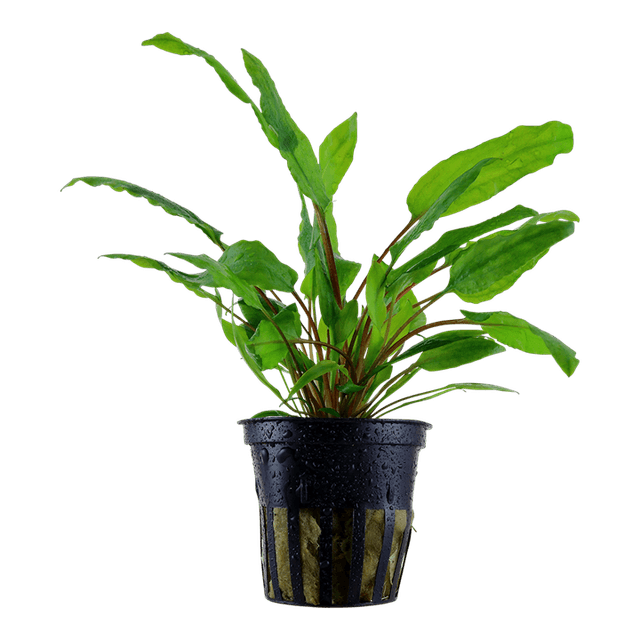
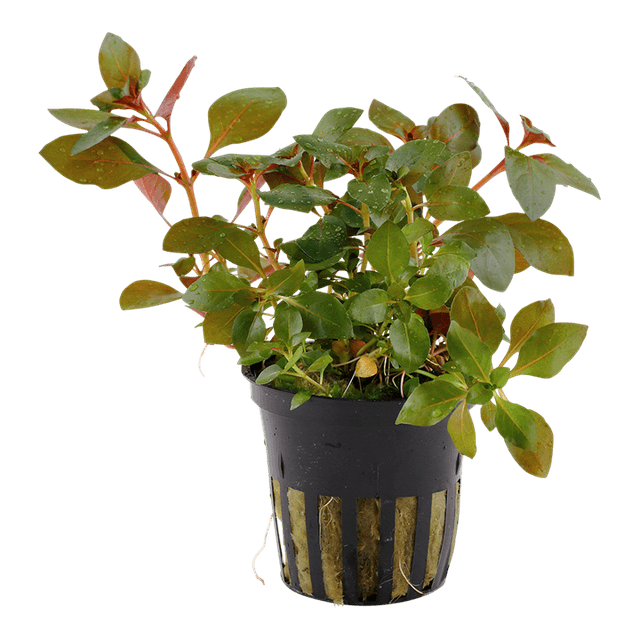
Tropica lists the light demand for each plant: low, medium or high. Low-light plants, such as Cryptocoryne wendtii 'Green' and Anubias, grow calmly and need no CO2. Medium-light plants, such as Ludwigia repens 'Rubin', suit an ordinary planted tank with moderate light.
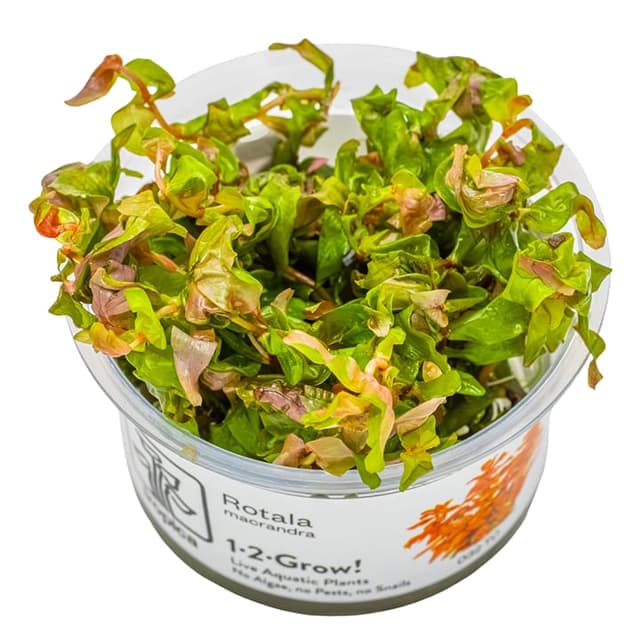
High-light plants, such as Rotala macrandra or Glossostigma elatinoides, need strong light and usually CO2 as well, and are rated more demanding. Start with low or medium light plants and move on only once the aquarium is stable.
Light does not reach all plants equally. The deeper a plant grows, the less light it gets, and demanding foreground plants need the light to come closer. Low-light plants suit deeper or shaded spots best, for example under a root.
5. Light and CO2 go together
The stronger the light, the more nutrients and carbon dioxide plants consume. If you raise the light but CO2 stays the same, plants cannot use it and algae get a chance. So an aquarium with strong light usually needs a CO2 system and regular fertilising.
If you have not yet set up CO2, keep the light moderate and do not rush. See the guides on setting up CO2 and on algae when needed.
Plant light and CO2 demand (Tropica data)
| Plant | Light | CO2 | Height |
|---|---|---|---|
| Anubias barteri 'Coin Leaf' | low | low | 5–15 cm |
| Cryptocoryne wendtii 'Green' | low | low | 10–30 cm |
| Ludwigia repens 'Rubin' | medium | low | 20–30 cm |
| Lilaeopsis brasiliensis | medium | medium | 3–5 cm |
| Rotala macrandra | high | high | 20–30 cm |
| Glossostigma elatinoides | high | high | 3–5 cm |
Checklist
- Choose the light by aquarium length
- Prefer an LED light
- Keep the photoperiod about 8 hours a day
- Use a timer
- Pick plants by light demand class
- Low or medium light suits a beginner
- Strong light needs CO2 and fertilising
- Avoid direct sun on the aquarium
Products for this guide
| Plant | Height | Light | CO2 | Growth | Difficulty | Placement |
|---|---|---|---|---|---|---|
| Cryptocoryne wendtii 'Green' | 10–30 cm | low | low | medium | easy | midground |
| Ludwigia repens 'Rubin' | 20–30 cm | medium | low | medium | easy | background |
| Rotala macrandra | 20–30 cm | high | high | medium | advanced | midground |
Size, light and CO2 demand are manufacturer data; real results depend on your aquarium.


Frequently asked questions
How long should the light stay on?
Usually about 8 hours a day, with a timer. A longer photoperiod does not speed up plant growth but can encourage algae.
Is an ordinary LED lamp suitable for plants?
Prefer a light made for aquariums, where the manufacturer describes suitability for plants and dimensions. It also has moisture protection and a suitable spectrum.
Does more light mean faster growth?
Only if nutrients and CO2 are sufficient. Otherwise too much light gives algae an advantage.
Should a light stay on at night?
No, plants and fish need a night. If you like, you can use a weak night light such as the AquaEL Moonlight LED, but the main light switches off at night.