1. What a filter does in an aquarium
The filter is the most important piece of equipment in an aquarium, because it keeps the water moving and cleans it in three ways. Mechanical filtration traps visible dirt: food leftovers, plant debris and mulm. Sponges and fleece do this job.
Biological filtration matters even more, although you cannot see it. Nitrifying bacteria grow on the surface of the filter media and turn ammonia and nitrite, which come from fish waste, into less harmful nitrate. These bacteria live on porous material such as ceramics and sponge and need a steady, oxygen-rich flow of water.
Chemical filtration is used when there is a reason for it. According to manufacturers, activated carbon binds chlorine, medication residues and the tint that leaches from driftwood, while phosphate and nitrate media bind those substances. A typical planted tank does not always need chemical media, but they are useful for solving a specific problem.
2. Filter types: internal, external, hang-on and sponge
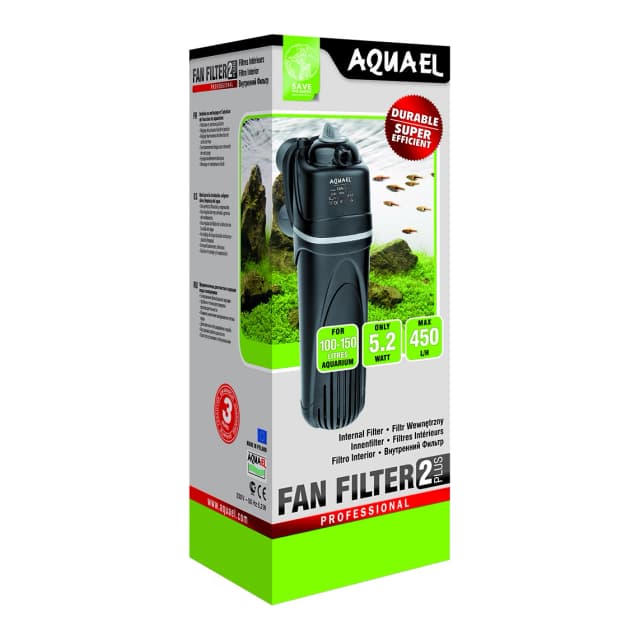
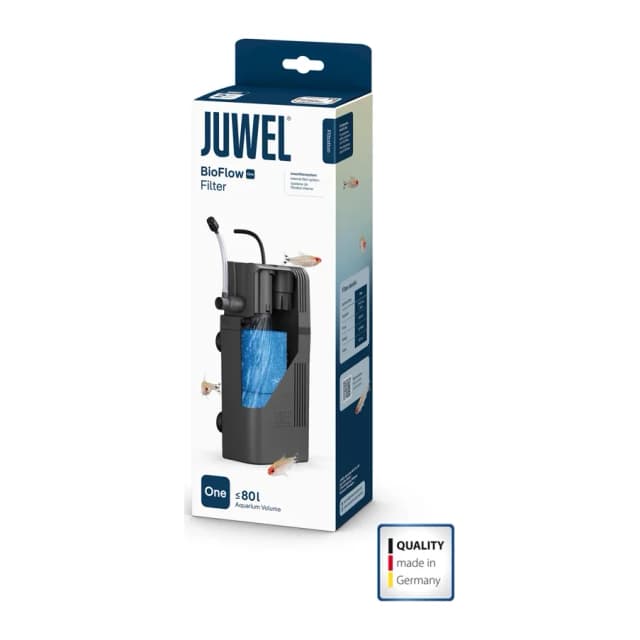
An internal filter sits inside the aquarium and is easy to install. It suits small and medium tanks well. The AquaEL FAN 2 Plus, for example, is made for aquariums of 100–150 litres according to the manufacturer, and its chamber stops dirty water from flowing back into the tank when you take the filter out. The Juwel Bioflow ONE suits tanks of up to 80 litres.
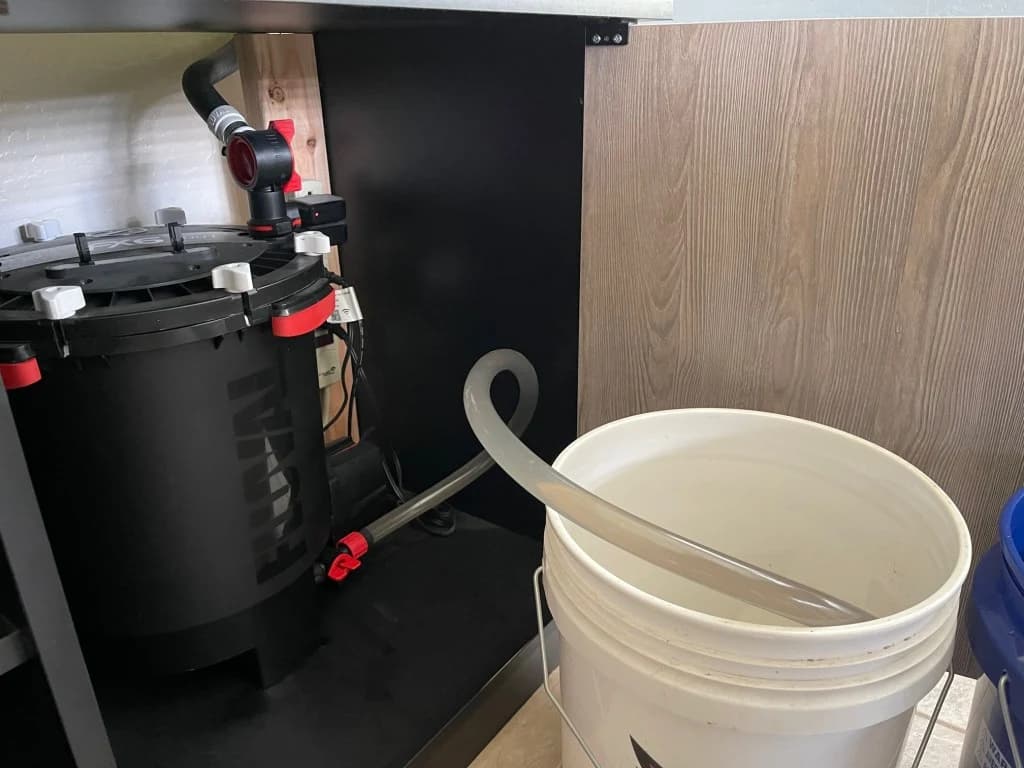
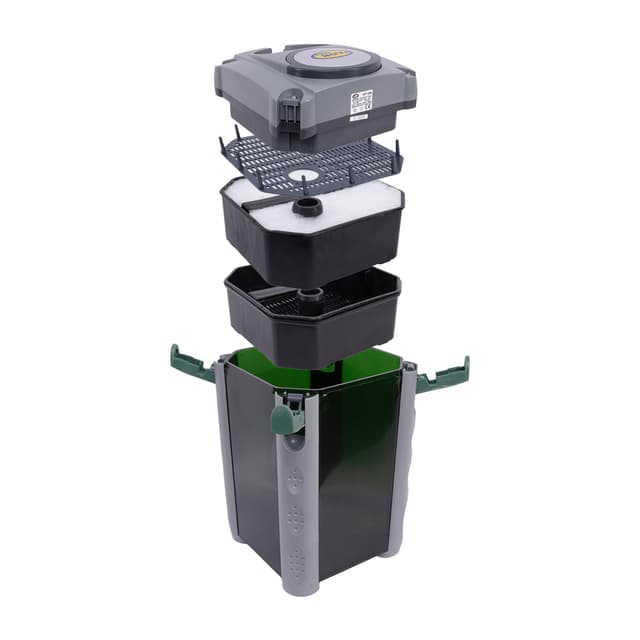
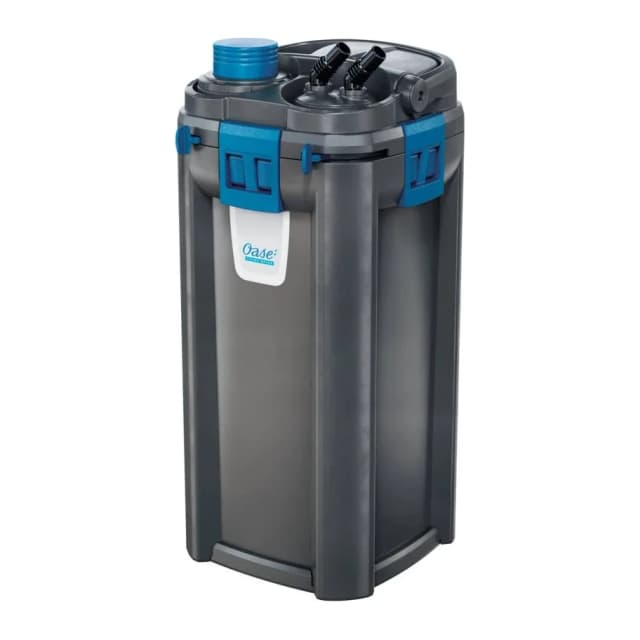
An external filter stands in the cabinet below the aquarium and is connected to it by hoses. It has a larger media volume, takes no space inside the tank and needs cleaning less often. The Aqua Nova NCF and OASE BioMaster² are external filters whose size you pick by tank volume. An external filter is a particularly good fit for planted tanks and larger volumes.
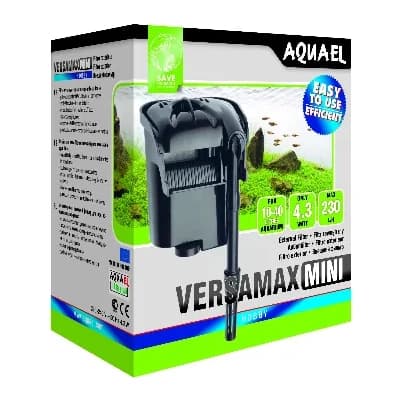
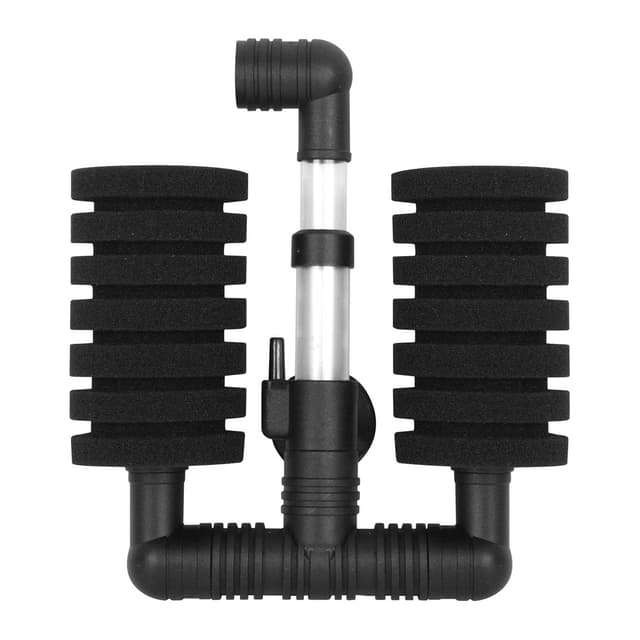
A hang-on filter hangs on the rim of the aquarium and suits small volumes: the AquaEL Versamax FZN-mini is made for tanks of 10–40 litres according to the manufacturer. A sponge filter runs on an air pump, is quiet and gentle and does not suck in shrimp or fry. That is why it is used in shrimp tanks and breeding tanks.
Besides the main filter there are helper devices. A surface skimmer, such as the Juwel EccoSkim or AquaEL SAS 500, draws the oily film and dust off the water surface, which otherwise hinder light and gas exchange. A UV clarifier passes water by a UV lamp and, according to manufacturers, is meant for green water caused by floating algae. These devices do not replace a biological filter; they add to it.
3. How to choose the filter size
Start from the real water volume of the aquarium, not the outer glass dimensions. Substrate, stones and driftwood take up some of the space, but when choosing a filter it is safer to go by the nominal volume. Manufacturers state the tank volume each filter is made for: the AquaEL Ultramax 1000, for example, suits aquariums of 100–300 litres according to the manufacturer.
If your tank volume falls on the border between two filter sizes, choose the larger one. The flow of a larger filter is usually adjustable and its media stay clean for longer. Consider the stocking as well: many fish or large fish produce more waste than a few small schooling fish.
Think about the flow too. Labyrinth fish and long-finned fish do not like strong current, while many river fish cope with it well. In a planted tank an even flow helps carry nutrients and CO2 around, but very strong surface movement drives CO2 out of the water faster. Aim the outflow so that water moves through the whole tank without a storm.
4. Filter media and their order
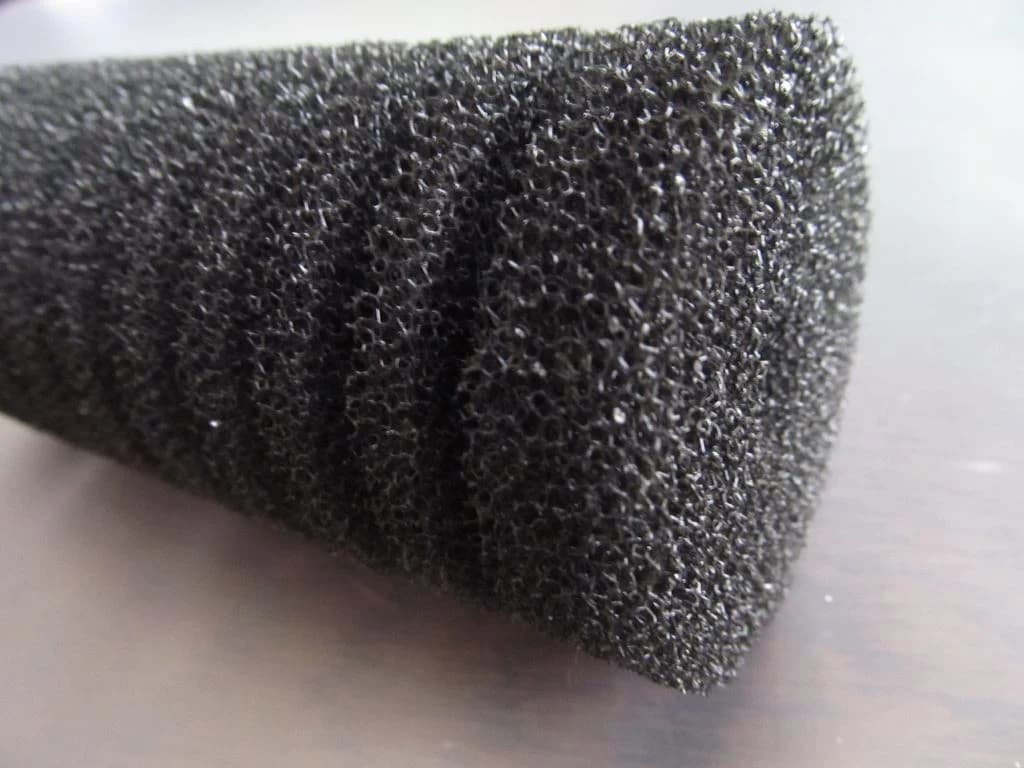
Water should pass through the media in a set order: mechanical first, then biological, and chemical last. A coarse sponge catches larger dirt and a finer sponge or fleece the small particles. That way cleaner water reaches the biological stage and its pores do not clog.
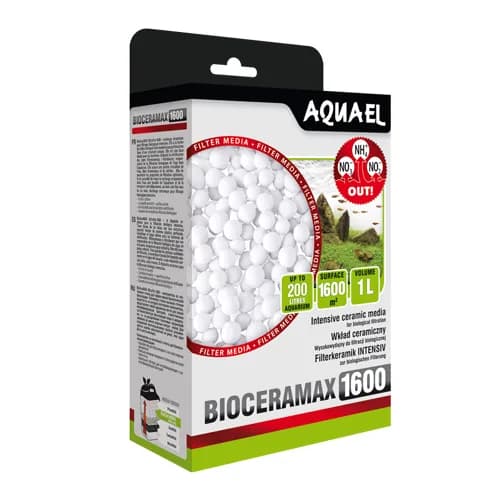
Biological media are porous and have a large surface. According to the manufacturer, AquaEL BioCeraMAX is porous ceramic rolls that go after the mechanical media and before the chemical media. The manufacturer advises against rinsing them in tap water and suggests replacing about a third of the material at a time every 6–12 months.
Chemical media, such as AquaEL CarboMAX Plus activated carbon, go last. Activated carbon gets used up and needs replacing as the manufacturer describes. If you treat fish with a medication, read its instructions: activated carbon can bind the medication out of the water, so it often has to be removed for the duration of the treatment.
5. Filter maintenance step by step
Clean the filter when the flow drops noticeably, not by the calendar every week. An internal filter usually needs maintenance more often than an external one, because its sponge is smaller. Unplug the filter before you start.
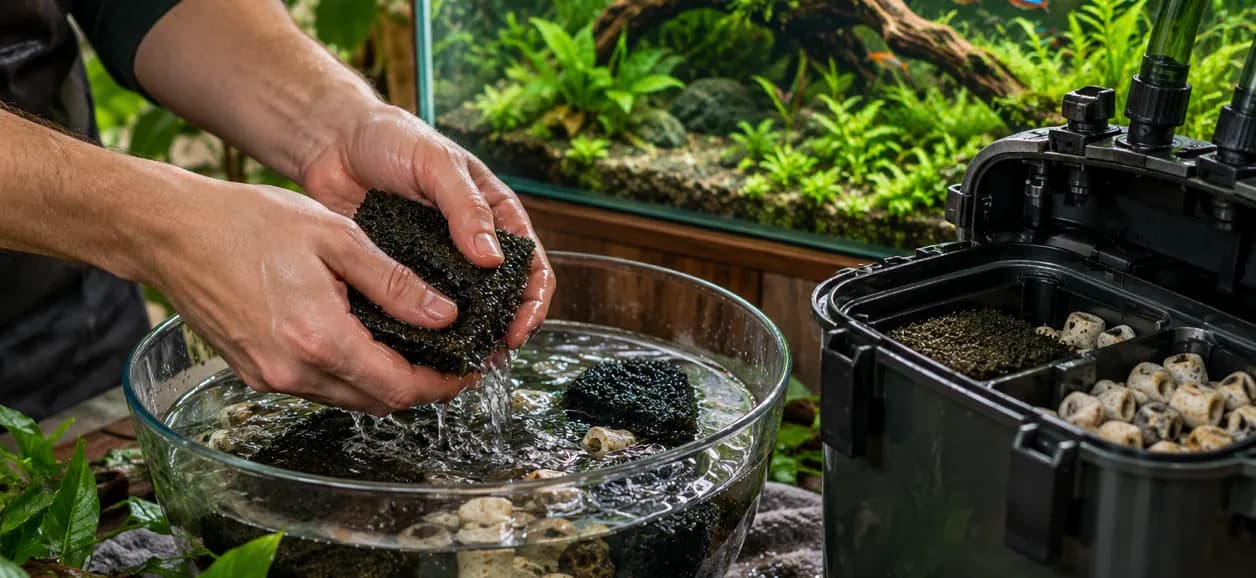
During a water change, take aquarium water into a bucket and rinse the sponges in it gently until most of the sludge is gone. The sponge does not have to look new: if it is too clean, some of the bacteria are gone as well. Do not wash filter media in tap water or hot water.
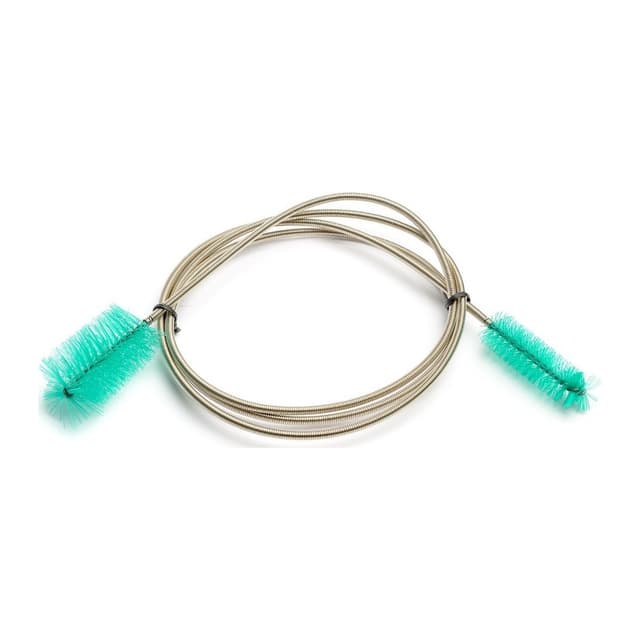
Do not clean everything at once. If you replace the mechanical sponge, leave the biological media alone, and the other way round. Check the impeller and its shaft at the same time, because sludge collects there. A layer builds up inside external filter hoses over time and reduces the flow; hose brushes such as the JBL Cleany remove it.
After maintenance fill the filter with water, check the connections and watch for leaks during the first minutes. If the filter has stood still for several hours, for example during a power cut, it makes sense to rinse the media in aquarium water before restarting, so that the stagnant water does not flow straight into the tank.
6. Common filter mistakes
The most common mistake is washing the filter too thoroughly. If all the media are scrubbed clean in tap water, a large share of the bacteria is lost and within a few days the water can become dangerous for fish. The second mistake is switching the filter off at night because of noise or to save power: the bacteria need a constant flow.
A new filter does not work at full strength straight away, because the bacterial colony grows over weeks. That is why fish are added to a new aquarium gradually and ammonium and nitrite are measured. If you swap an old filter for a new one, let them run together for a while or move some of the old media into the new filter.
In a tank with small shrimp and fry, cover the intake of a normal filter with a fine sponge or use a sponge filter. That way the animals do not end up inside the filter.
Filter types at a glance
| Type | Suits | Pros | Keep in mind |
|---|---|---|---|
| Internal | Small and medium tanks | Easy to install and maintain | Takes space in the tank, smaller media volume |
| External | Medium and large tanks, planted tanks | Large media volume, tank stays clear | Hoses and connections need checking |
| Hang-on | Small tanks | Quick to install, aerates the water | Needs room at the lid and rim |
| Sponge | Shrimp, fry, quarantine | Gentle and quiet, does not suck animals in | Needs an air pump and tubing |
Checklist
- Choose the filter by the tank volume the manufacturer states
- Between two sizes, pick the larger one
- Order: mechanical, biological, chemical
- Rinse sponges only in aquarium water
- Do not clean all the media at once
- Do not switch the filter off at night
- Check the impeller and the hoses
- With shrimp and fry, cover the intake with a sponge
Products for this guide
Frequently asked questions
How often should I clean the aquarium filter?
When the flow drops noticeably. With an internal filter that may be every few weeks, with an external filter less often. Rinse the media in aquarium water and do not clean everything at once.
Can I switch the filter off at night?
It is not recommended. The bacteria of the biological filter need a constant, oxygen-rich flow. If the filter is too loud, check the impeller and the mounting or choose a quieter model.
Does a planted tank need an external or internal filter?
Both work. An external filter keeps the tank clear and its larger media volume suits a densely planted aquarium well. In a small tank an internal filter is often enough.
When should filter media be replaced?
Replace sponges when they are worn or no longer recover after rinsing. Chemical media get used up and are replaced as the manufacturer describes. Replace biological media in parts, never all at once.