1. Which shrimp suit beginners
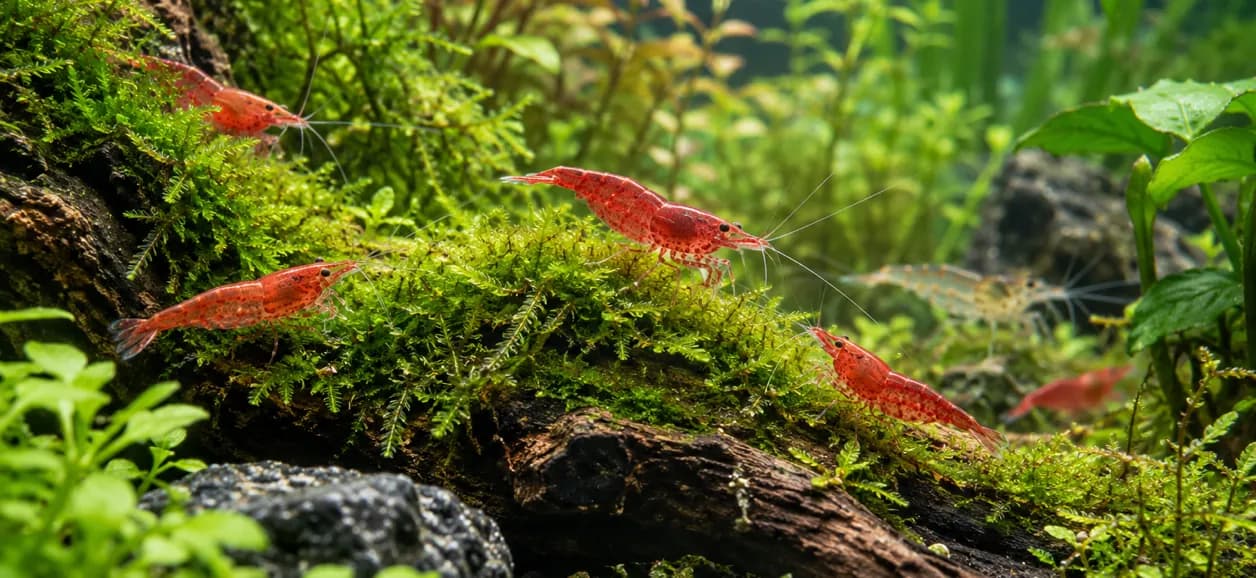
Aquarium shrimp fall roughly into two groups. Neocaridina shrimp, such as the red cherry shrimp and its colour forms, are hardy and do well in ordinary tap water treated with a conditioner. They are considered the best choice for a beginner.
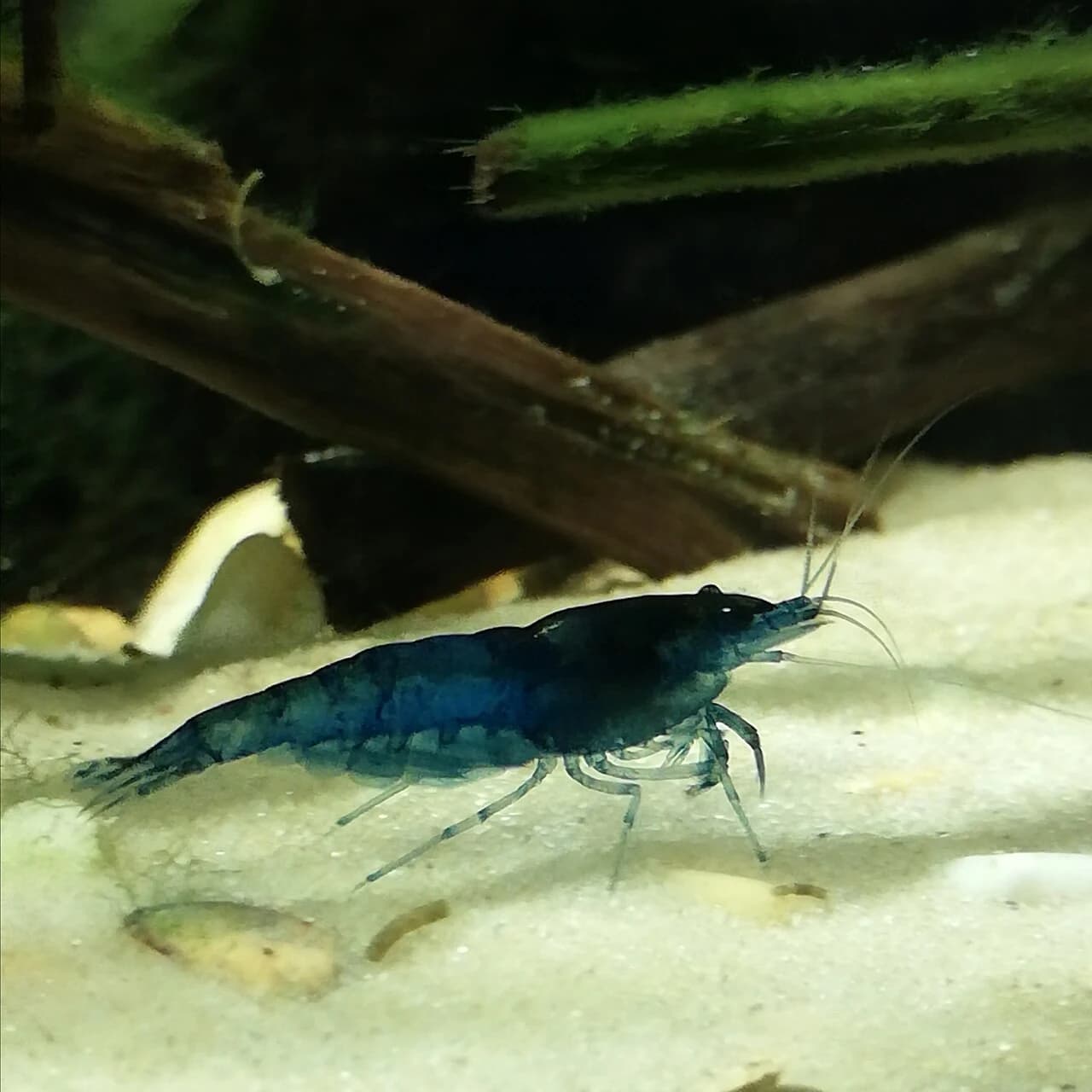
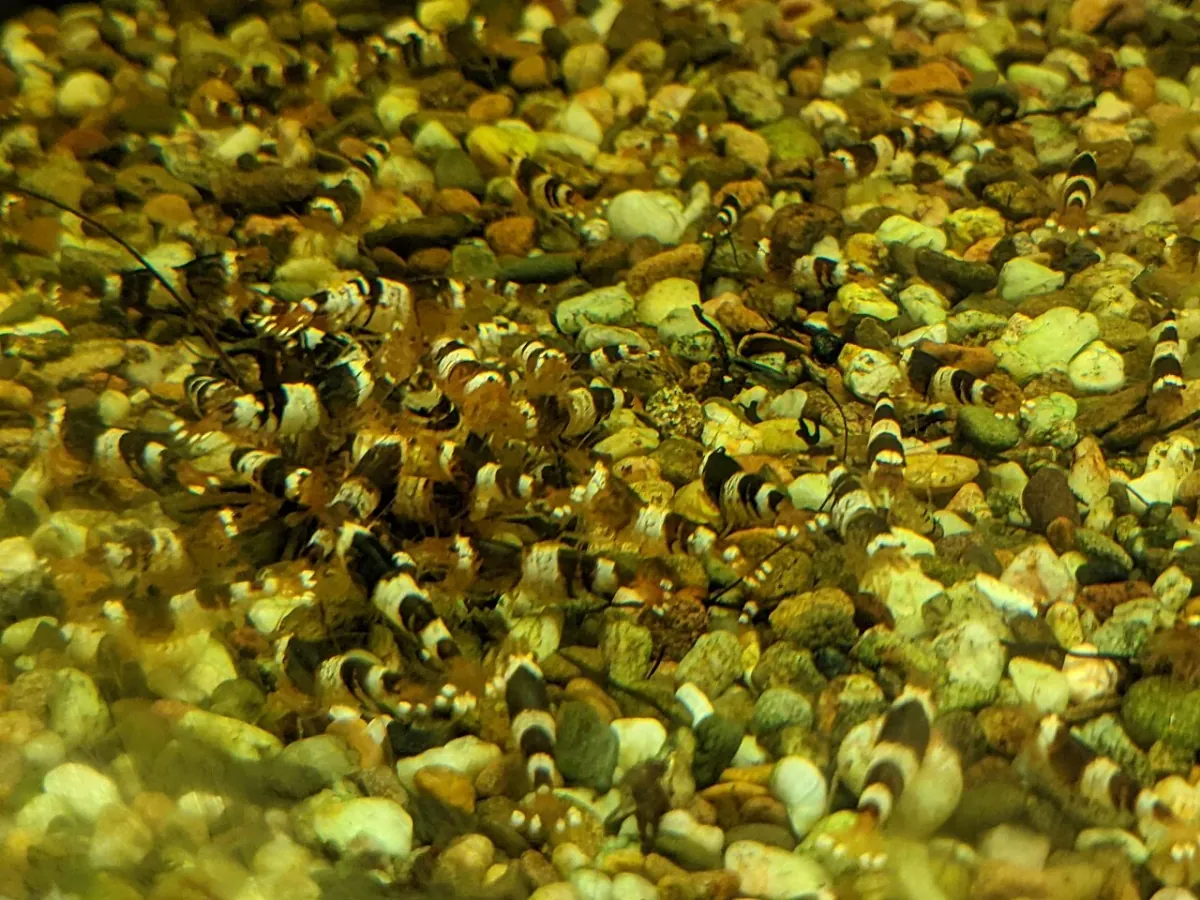
Caridina shrimp, such as Bee and Crystal Red, are more demanding. They need soft, acidic water and stable conditions. Such water is usually prepared from reverse osmosis water with added minerals, with an active soil as the substrate. If you are just starting, it makes sense to begin with Neocaridina and move on to the more demanding species later.
When you buy shrimp, ask the seller or breeder what water they have lived in. The closer your aquarium water is to that, the easier it is for the shrimp to adapt. Suitable ranges differ between species and sources, so go by the data for the specific species.
2. Aquarium and filter
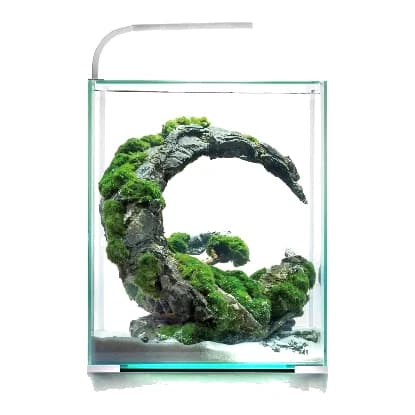
Shrimp are small, but a very small volume of water changes quickly. For a beginner a tank of about 20–60 litres is more comfortable, as its temperature and water chemistry stay more stable. The AquaEL Shrimp Set Smart D&N is a nano aquarium kit made for shrimp, which according to the manufacturer comes with an LED light, a Turbo Mini filter and a Fix 2 automatic heater.
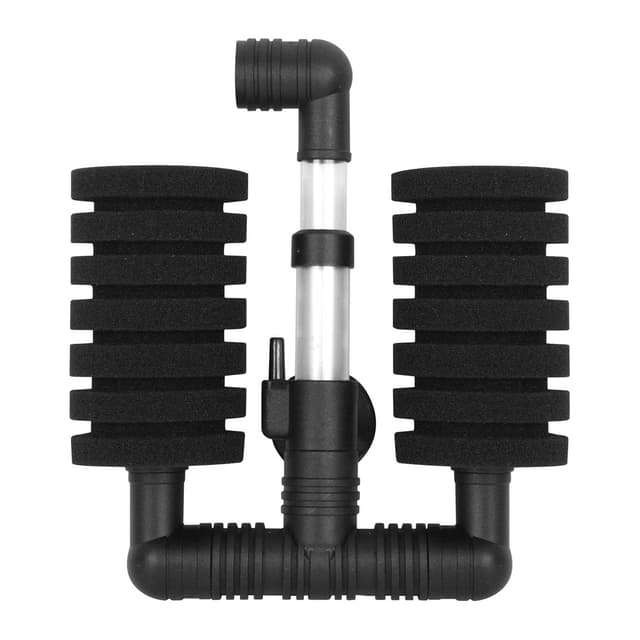
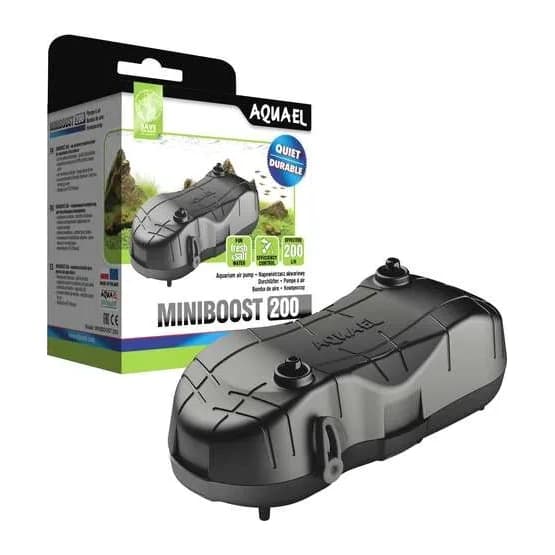
The filter has to be gentle and must not suck in baby shrimp. The most common solution is an air-driven sponge filter such as the Aqua Nova NSF. Biofilm grows on the surface of the sponge, and shrimp happily graze on it. A sponge filter needs an air pump, tubing and preferably a check valve; the AquaEL Miniboost is a small adjustable air pump that the manufacturer also recommends for sponge filters in shrimp tanks.
If you use an ordinary internal or external filter, cover its intake with a fine sponge. That way small shrimp do not end up in the filter, and the sponge gives bacteria extra surface. Keep the flow moderate, because shrimp do not like strong current.
3. Water and its stability
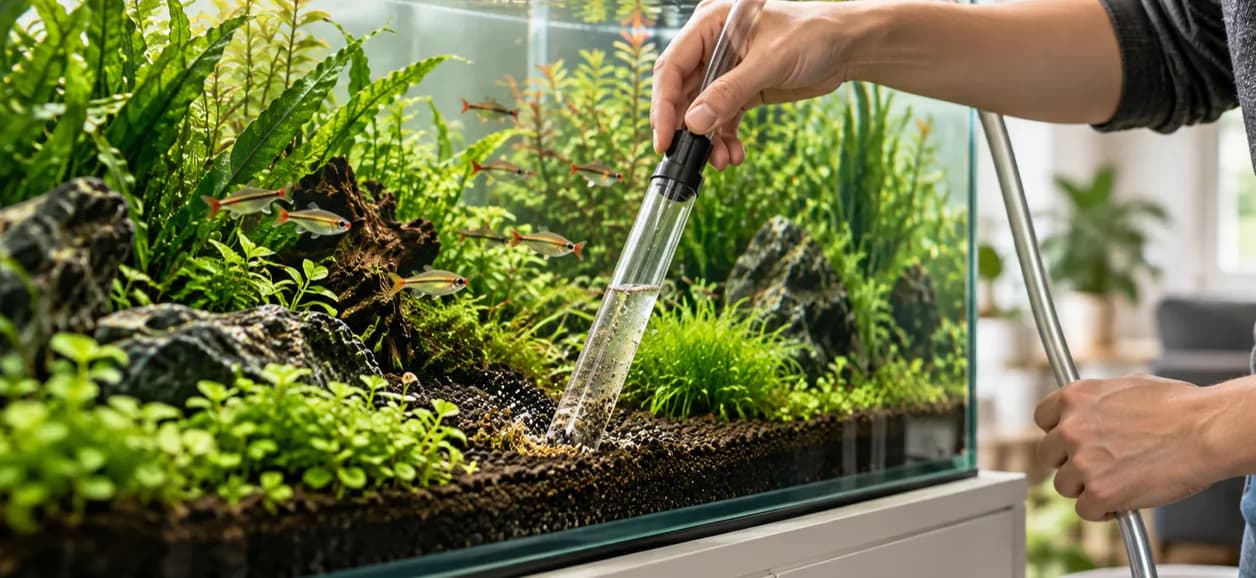
For shrimp the most important thing is stable water. Sudden changes in temperature, hardness or pH can stress them and make moulting harder. That is why shrimp tanks get smaller water changes, where the new water matches the tank's temperature and composition.
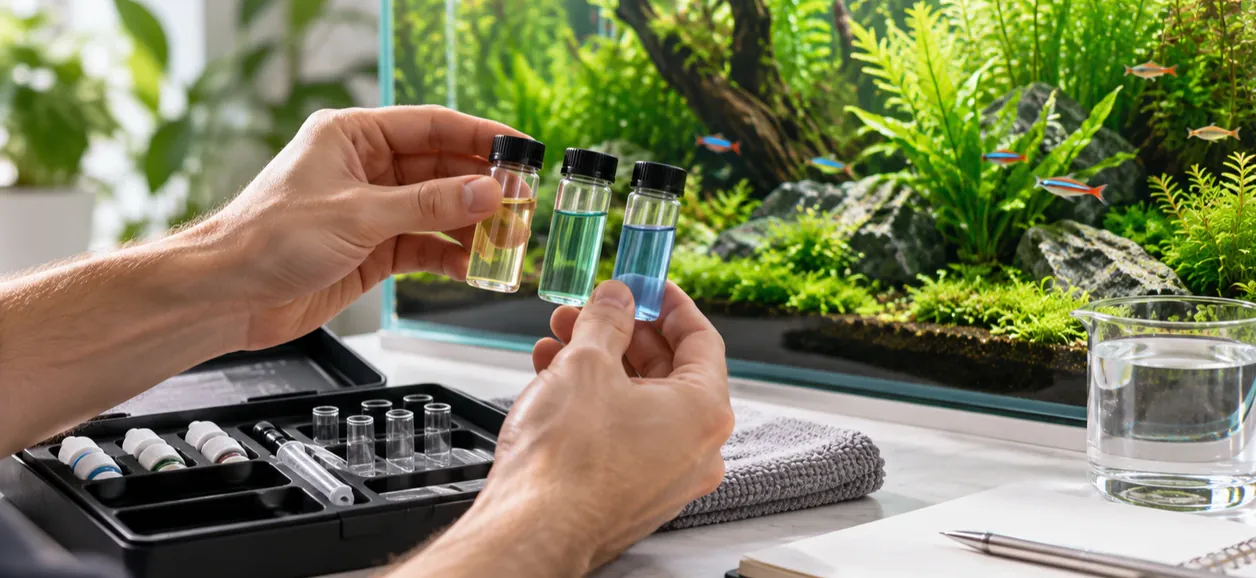
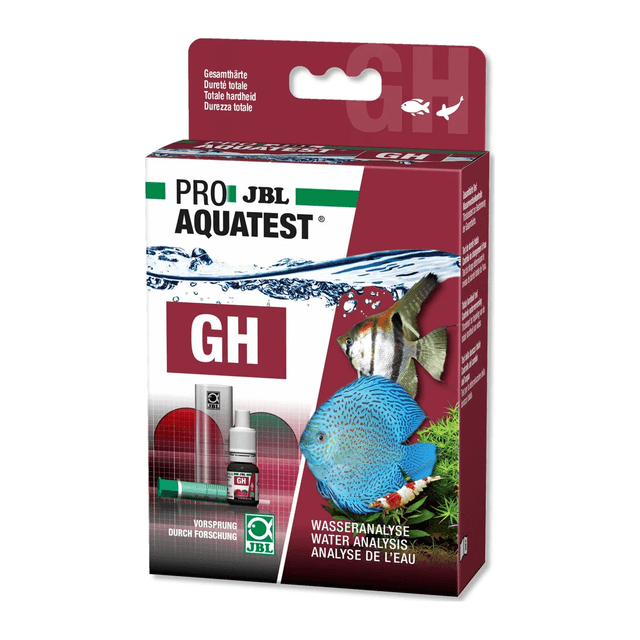
Tap water needs a conditioner that removes chlorine. The hardness of tap water in Estonia varies a lot from region to region, so measure general hardness (GH) and carbonate hardness (KH) with a test such as the JBL Test PRO GH. Then you know whether the water suits the species you have chosen.
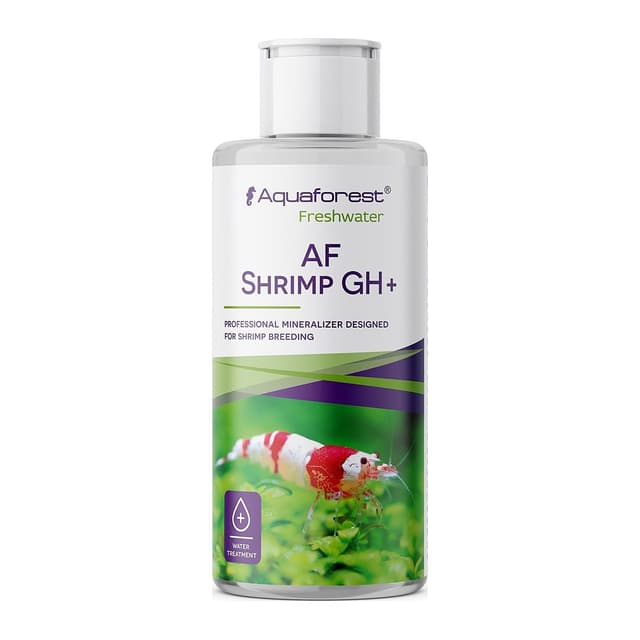
If you need soft water, reverse osmosis water with added minerals is used. According to the manufacturer, Aquaforest Shrimp GH+ is a liquid mineraliser for preparing RO water for shrimp, especially Bee and Crystal shrimp: it raises general hardness but leaves carbonate hardness unchanged. Pure osmosis water without minerals is not used in a shrimp tank.
Top up evaporated water with fresh water, not with minerals, because minerals do not evaporate. Write down your test results so that you see changes before they cause problems for the animals.
4. Cycling the tank and adding shrimp
Shrimp go only into a mature aquarium. In a new tank the bacterial colony first has to grow, which usually takes several weeks. Measure ammonium and nitrite: once they stay close to zero and the plants are growing, the tank is ready. Many shrimp keepers wait a little longer still, so that biofilm forms on the glass and stones.
Shrimp are acclimatised to the new water slowly. A common method is drip acclimatisation: the shrimp go into a container with their bag water, and aquarium water is dripped in through thin tubing until the volume has grown several times. The shrimp are then moved into the tank with a net, without the bag water.
During the first days the shrimp may hide. That is normal. Do not feed them much during this time and make sure the water parameters stay steady.
Keep watching how the shrimp behave later on as well. If they are restless, dart around or climb to the surface and out of the water, it is a sign that something may be wrong with the water. In that case test the water, check the temperature and think about whether you have recently added anything new. A lid or cover stops shrimp from leaving the tank.
5. Feeding shrimp
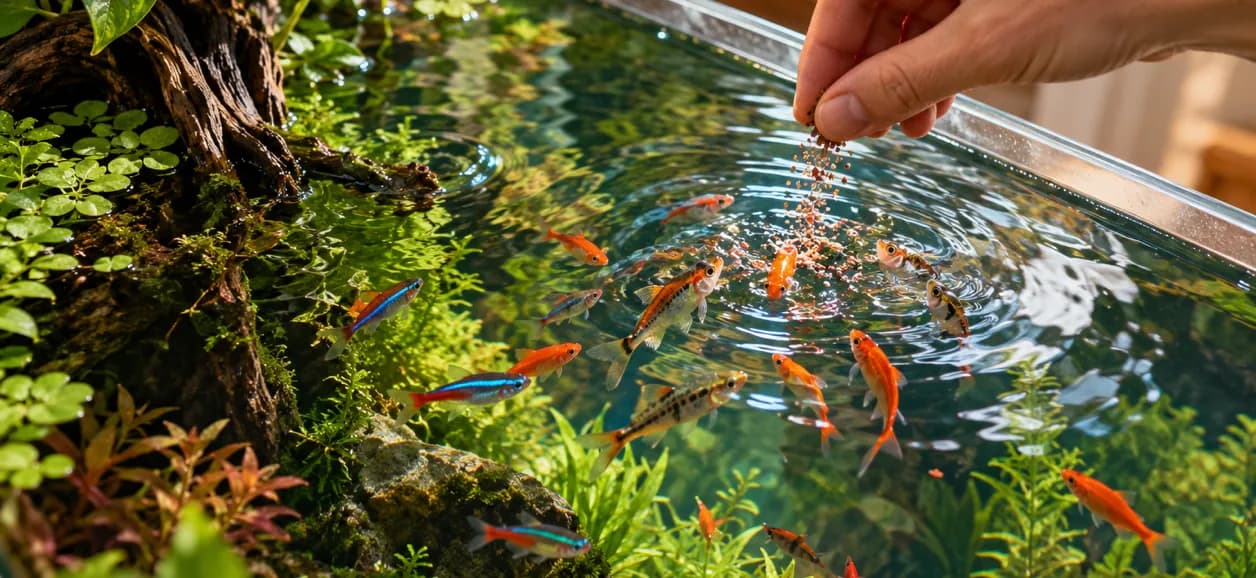
Shrimp forage all day: they pick at biofilm, algae and decaying plant matter. That is why in a mature tank they need little extra food. Feed small portions, only as much as is eaten within a couple of hours, and remove leftovers, because they rot and spoil the water.
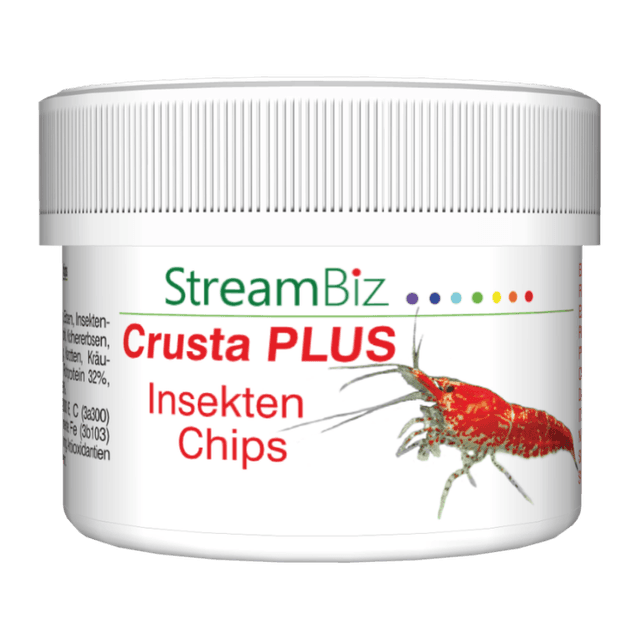
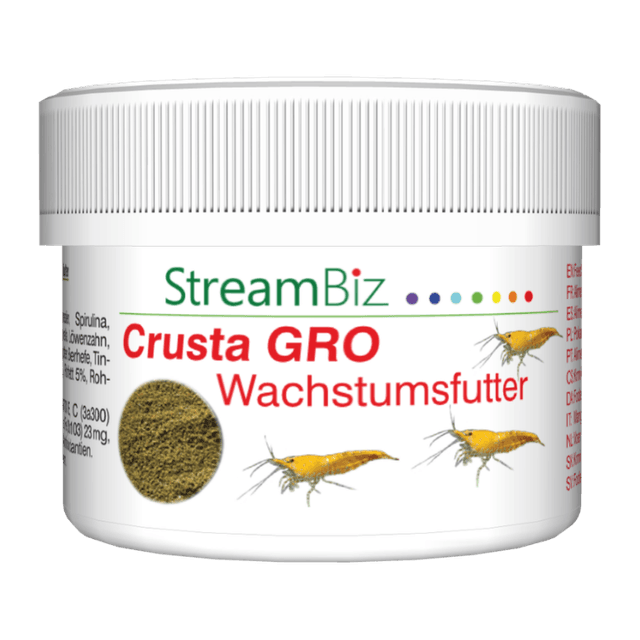
There are foods made specially for shrimp. According to the manufacturer, StreamBiz Crusta Plus is an everyday food for shrimp and crayfish with insect and plant protein, calcium and montmorillonite for the exoskeleton. StreamBiz Crusta GRO is a growth food with probiotics and prebiotics. The manufacturer recommends feeding small portions.
Variety helps, but do not add several new foods at once. After moulting an empty shell remains in the tank; you can leave it, as shrimp often nibble on it themselves.
6. Plants, hiding places and hazards
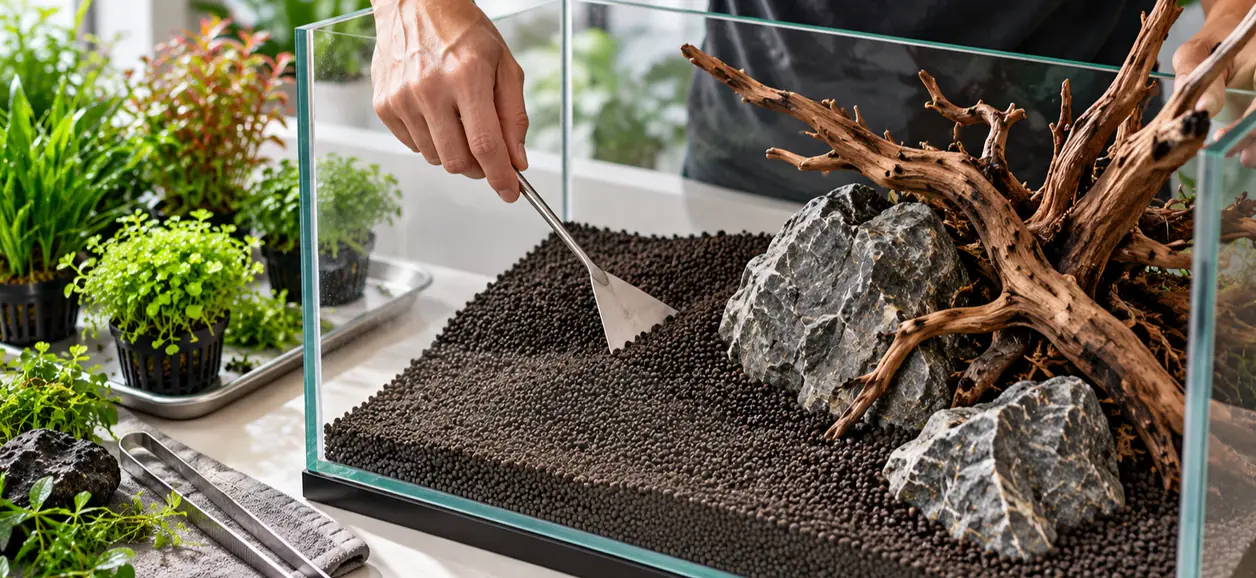
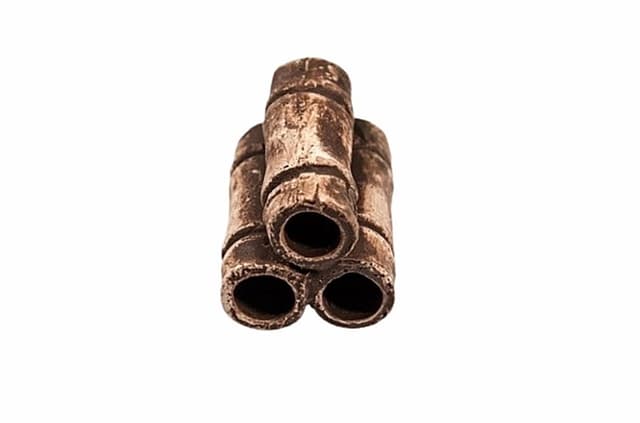
Dense plants and mosses give shrimp cover and a surface to forage on. According to Tropica, Najas guadalupensis 'Guppy Grass' is a fast-growing plant whose dense, fine structure gives shelter to fry and shrimp. Mosses on driftwood and stones suit a shrimp tank well too. Aqua Nova ceramic shrimp pipes give shrimp narrow hiding places.
The biggest danger to shrimp often comes from substances added to the water. Many fish medications and some other products are not suitable for invertebrates. For eSHa alx, for example, the manufacturer says shrimp and crayfish must be removed from the tank before use. Always read the label of every product, and do not use copper-containing products in a shrimp tank.
Think about tank mates too. Large or predatory fish eat shrimp, especially their young. If you want your shrimp to breed, a separate shrimp tank or very small, peaceful fish is best.
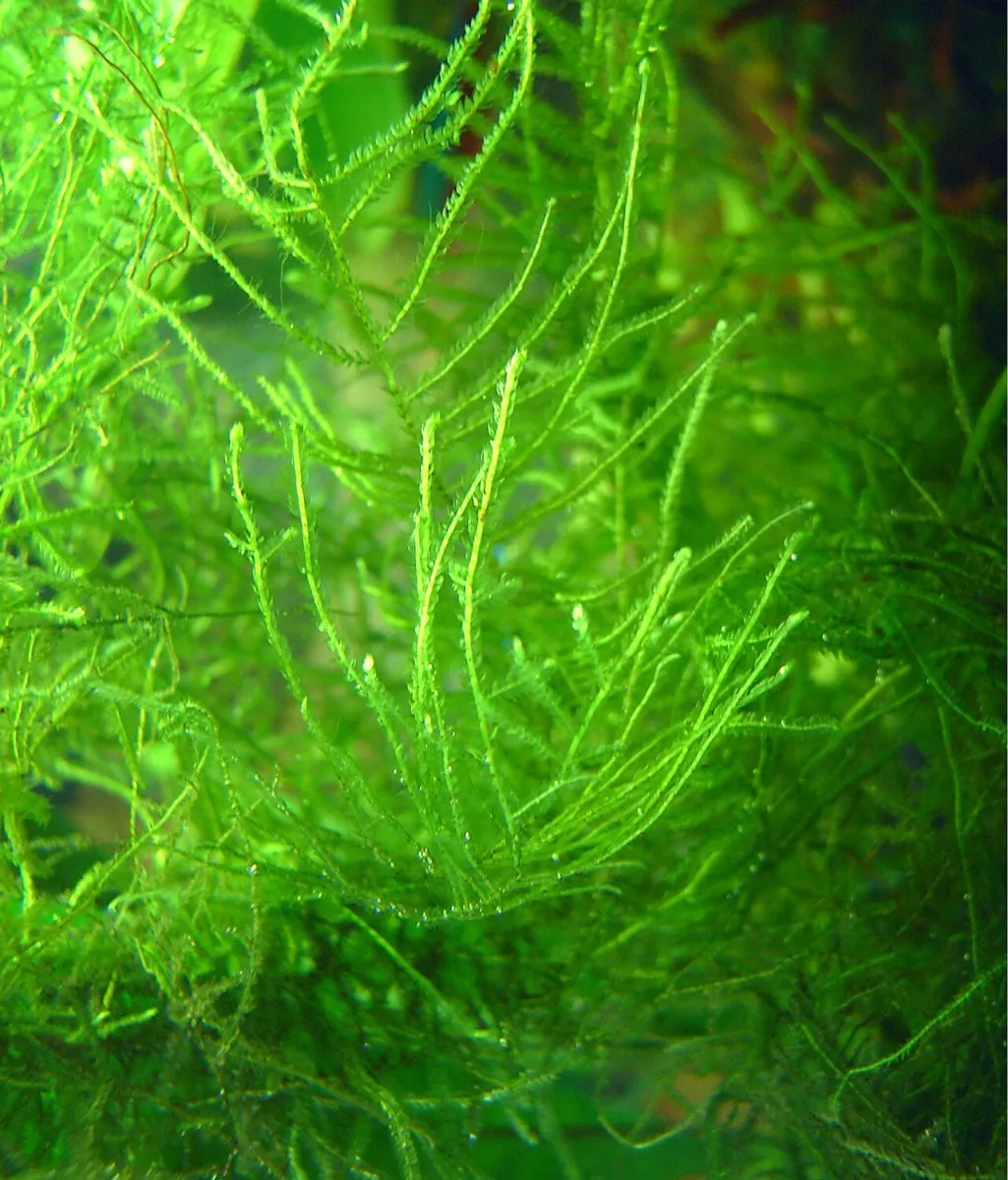
Neocaridina and Caridina shrimp at a glance
| Feature | Neocaridina (e.g. cherry shrimp) | Caridina (e.g. Bee, Crystal Red) |
|---|---|---|
| For whom | Beginners | More experienced keepers |
| Water | Conditioned tap water is often fine | Soft water: RO water plus GH mineraliser |
| Substrate | Ordinary gravel or sand | Active soil that keeps the water soft and acidic |
| Sensitivity | Tolerates a wider range | Sensitive to changes |
| Filter | Sponge filter or a filter with a covered intake | Sponge filter or a filter with a covered intake |
Checklist
- Start with hardy Neocaridina shrimp
- Choose a tank of about 20–60 litres
- Use a sponge filter or cover the intake with a sponge
- Add shrimp only to a mature tank
- Measure GH, KH, ammonium and nitrite
- Acclimatise shrimp slowly by dripping
- Feed little and remove leftovers
- Read every product label: some are not safe for invertebrates
Products for this guide
Frequently asked questions
Do shrimp need a heater?
Neocaridina shrimp often cope at room temperature, but what matters is that the temperature does not swing. In a cool room a small heater with a thermostat helps keep it stable.
How many shrimp can go into an aquarium?
Shrimp are small and put little load on the water, but start with a small group and let the colony grow. That gives the tank time to adjust and shows you whether the conditions suit them.
Can shrimp and fish live together?
With small, peaceful fish often yes, but fish may eat baby shrimp. Large or predatory fish are not suitable companions for shrimp.
Why do shrimp hide after moulting?
After moulting the new shell stays soft for a while and the shrimp is more vulnerable, so it looks for cover. Plants, mosses and hiding places help it through this time.