
Substrate
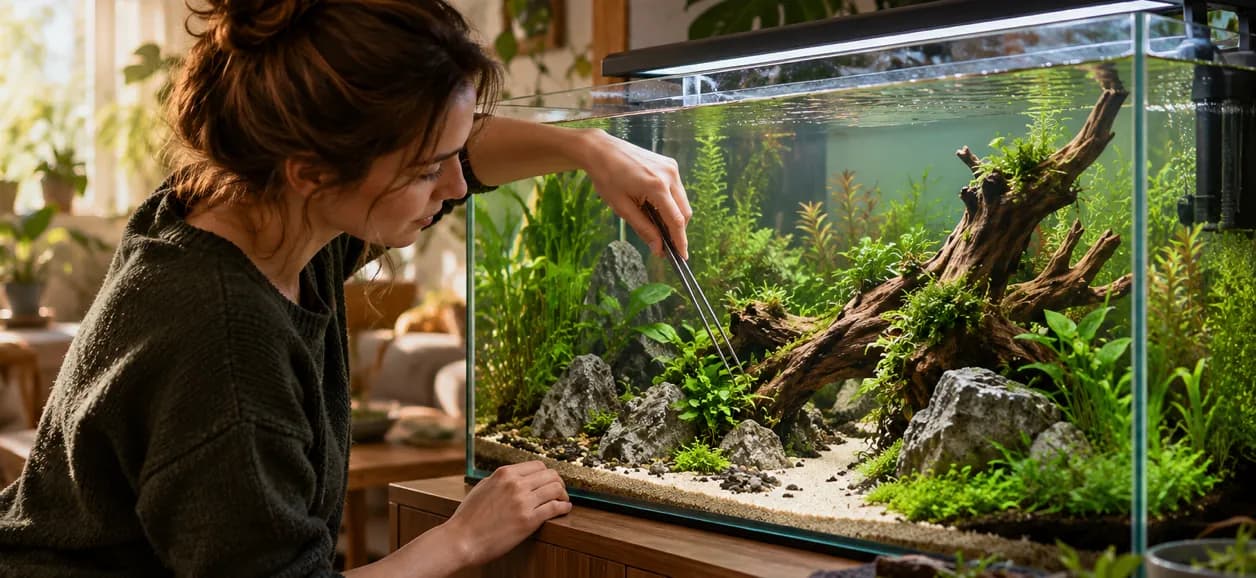
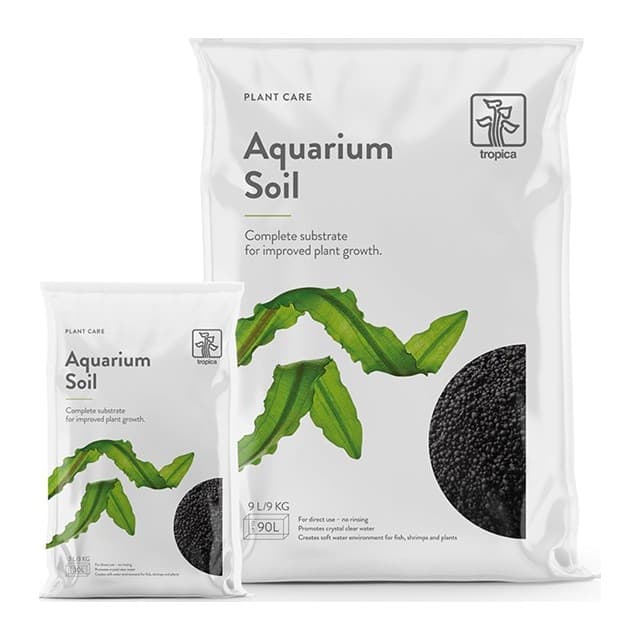
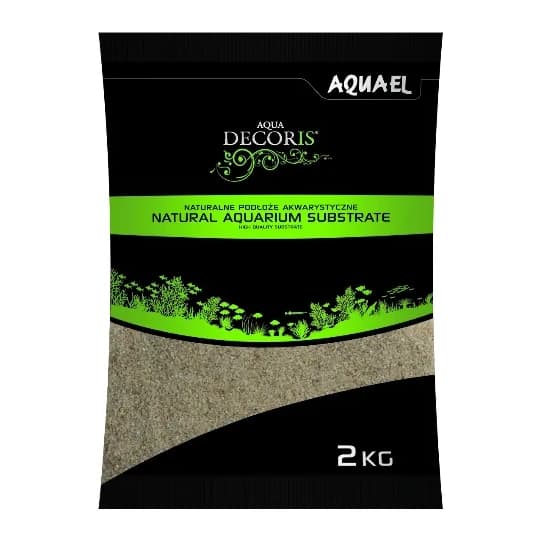
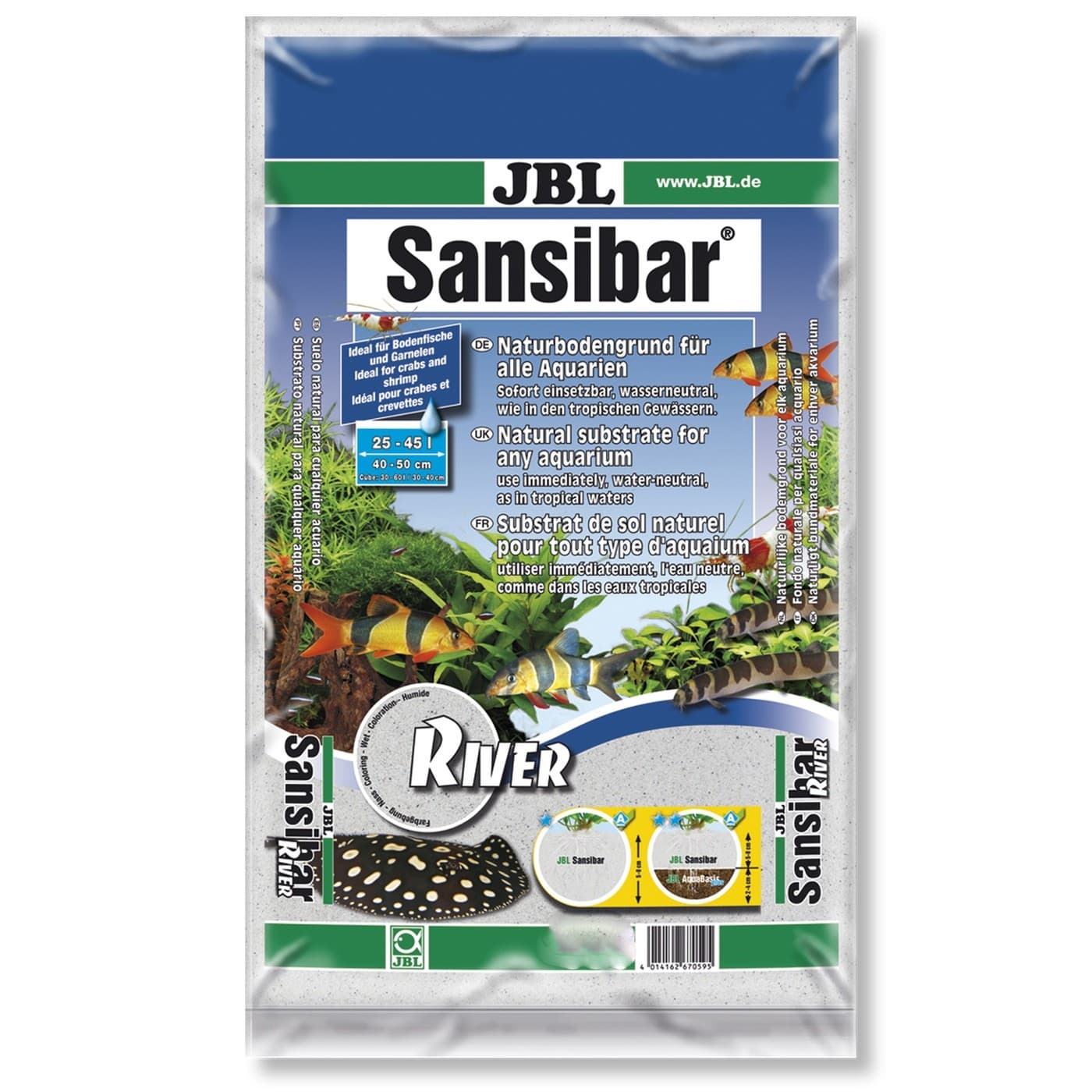
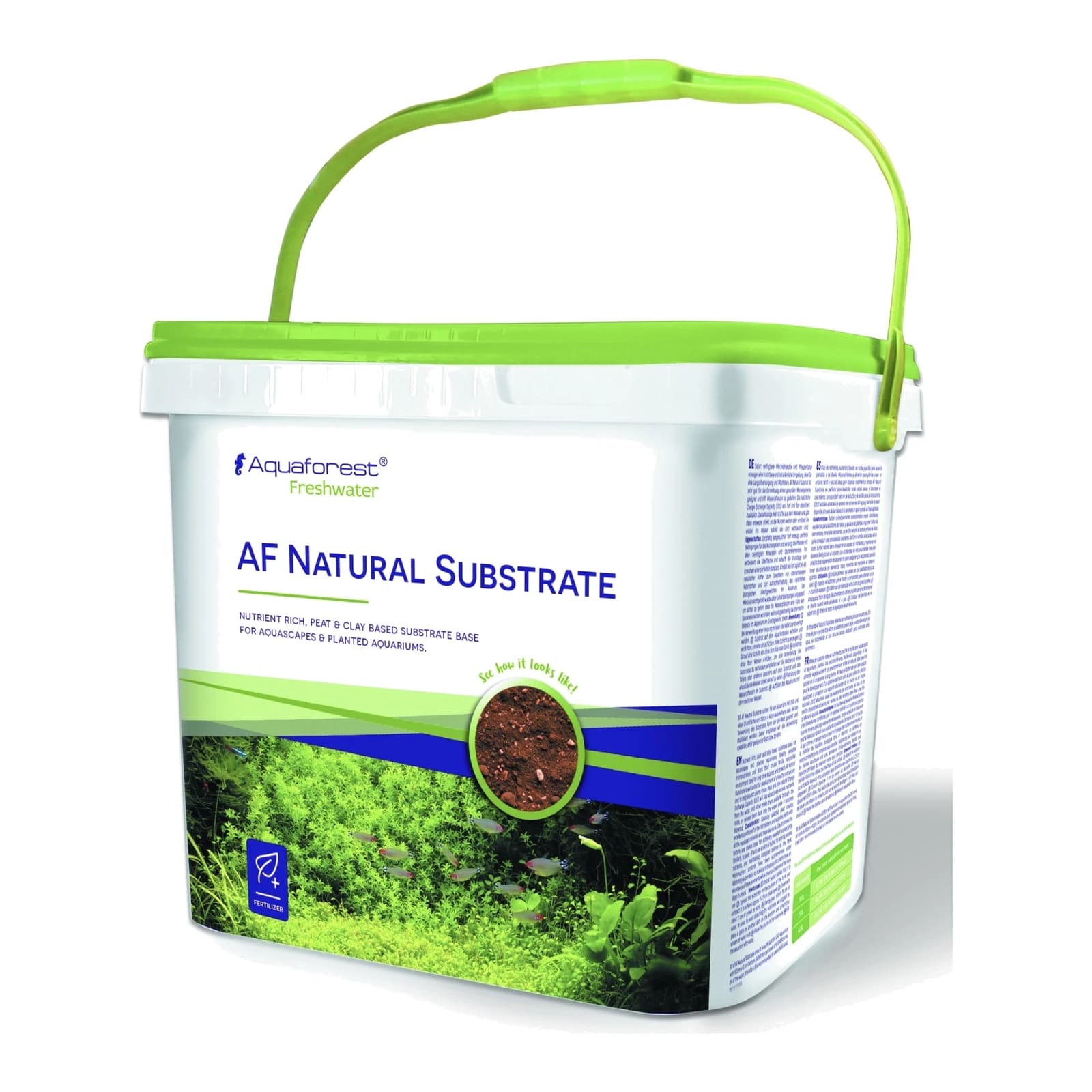
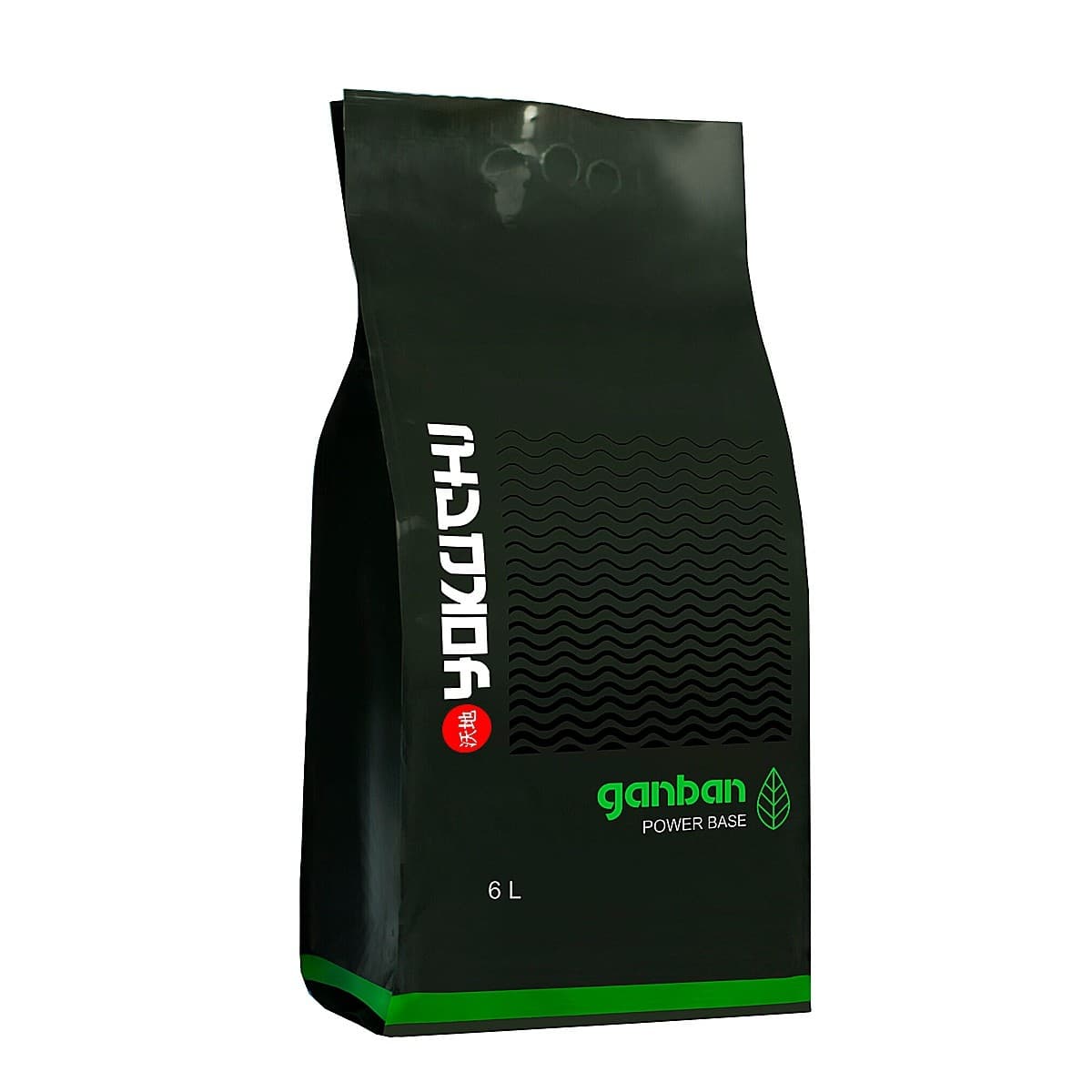
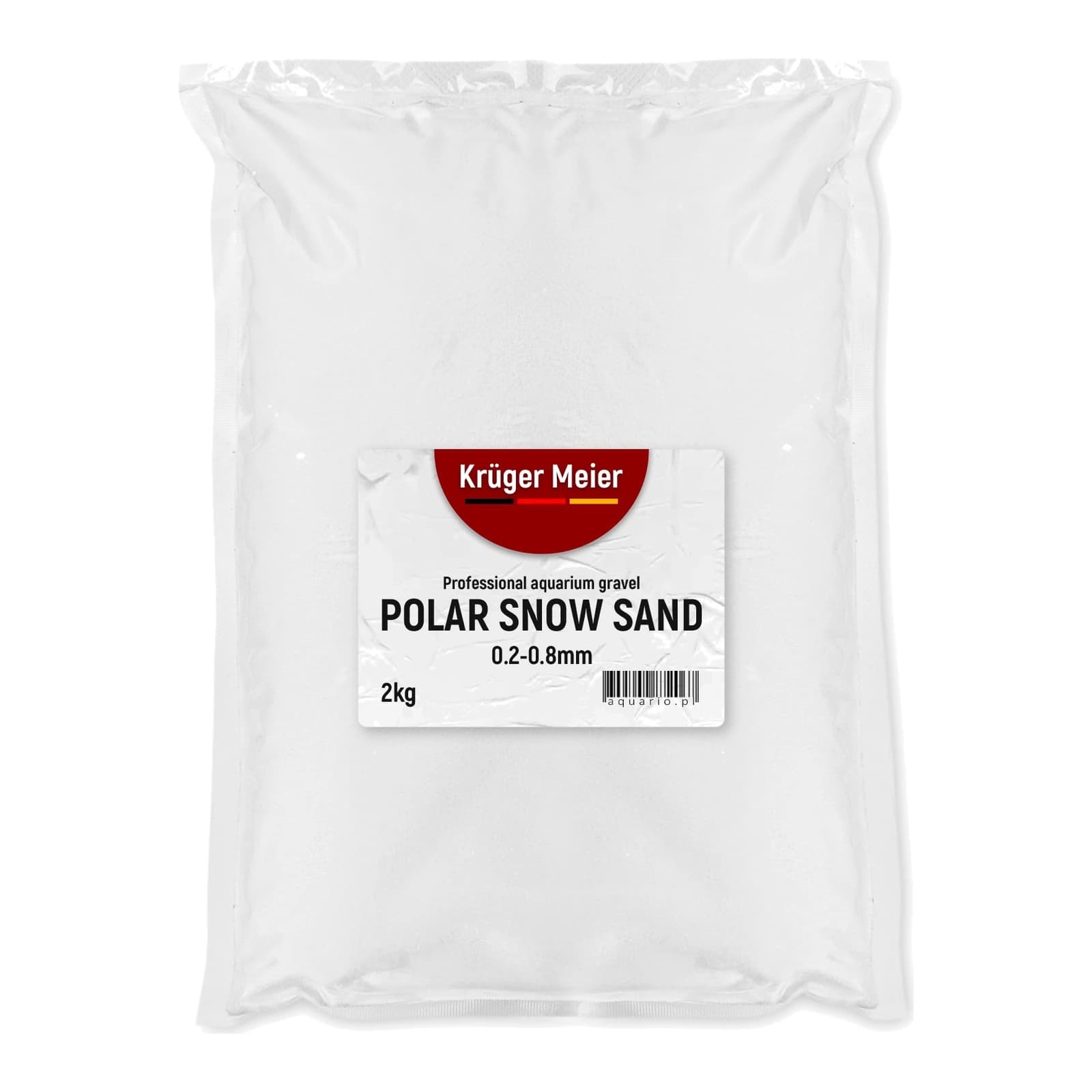
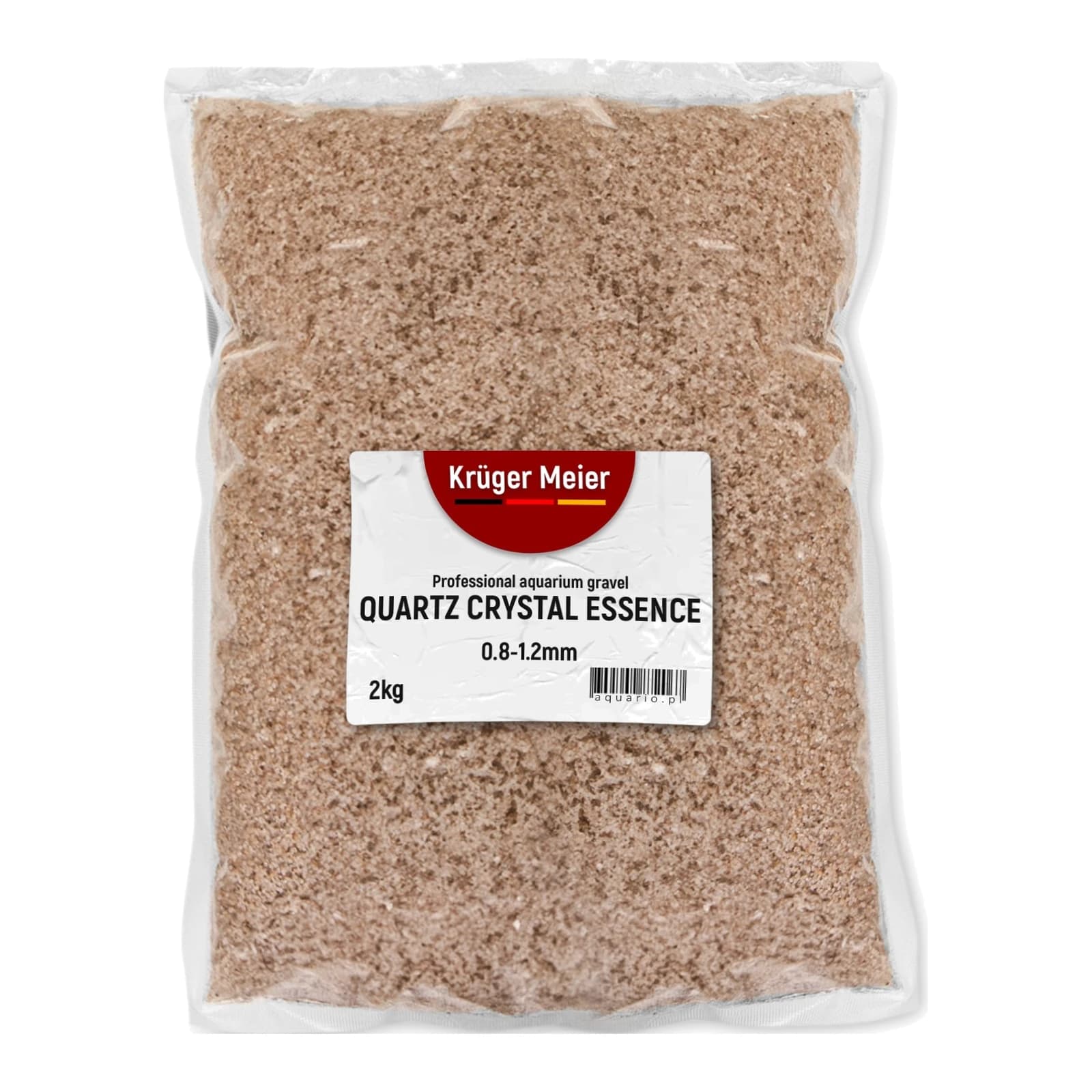
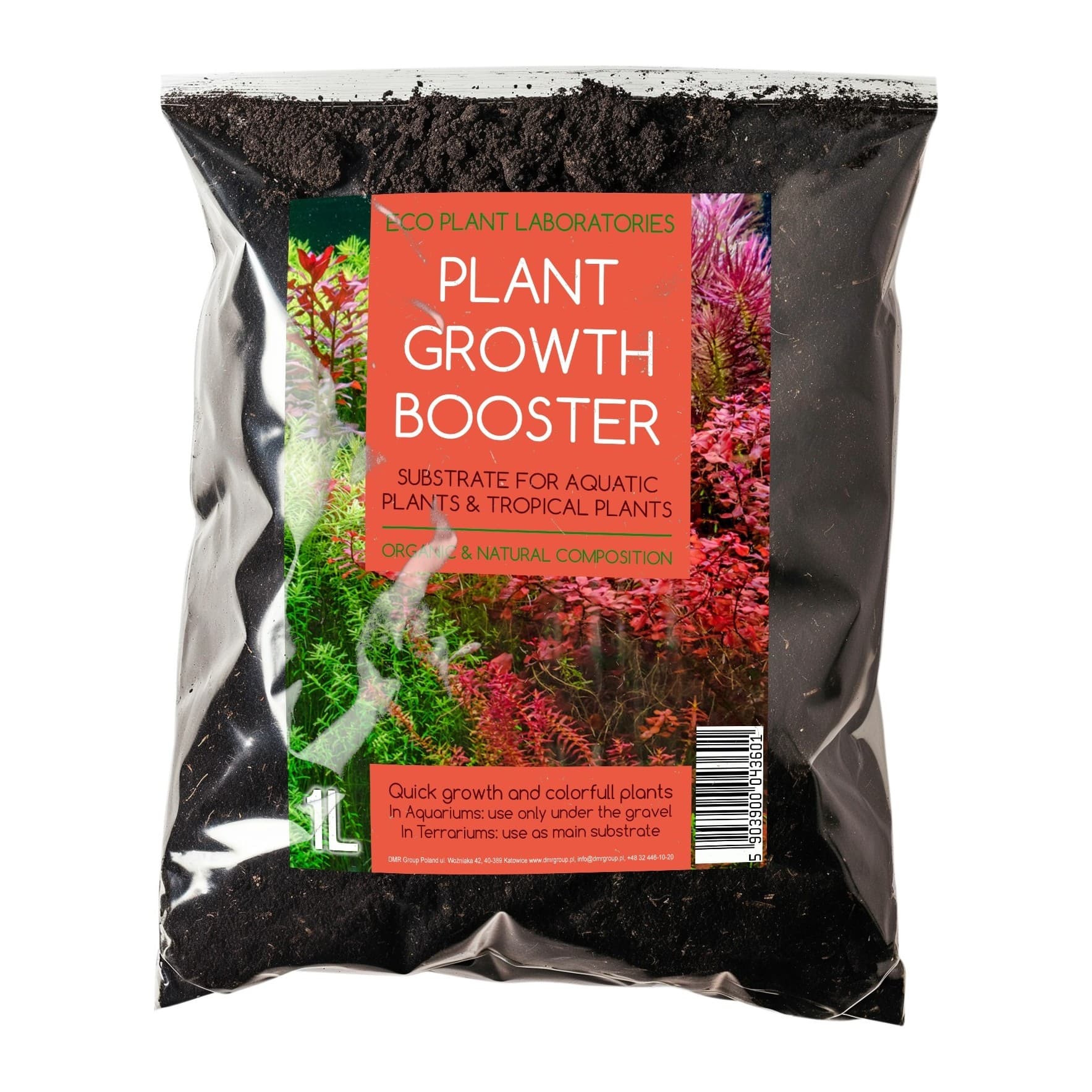
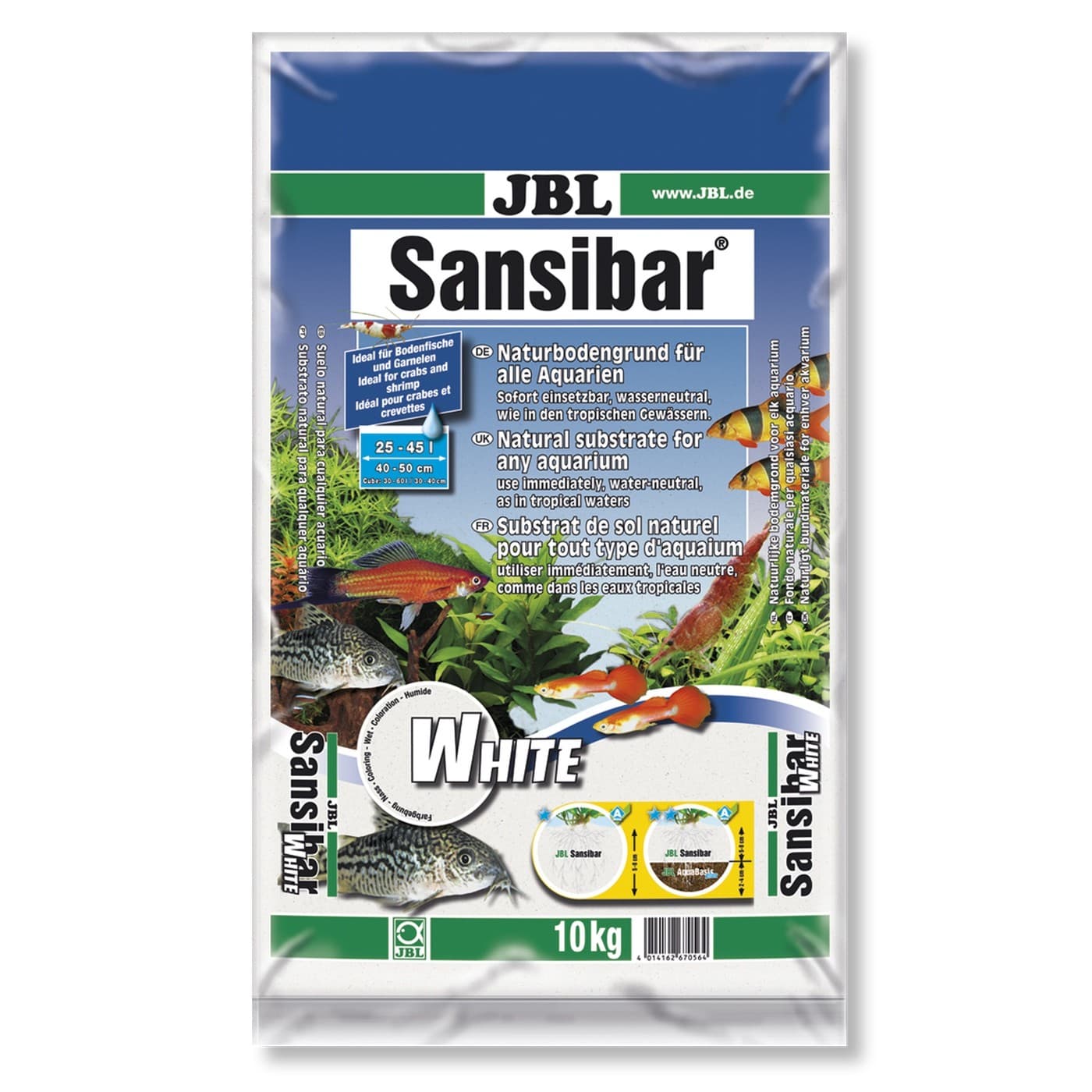
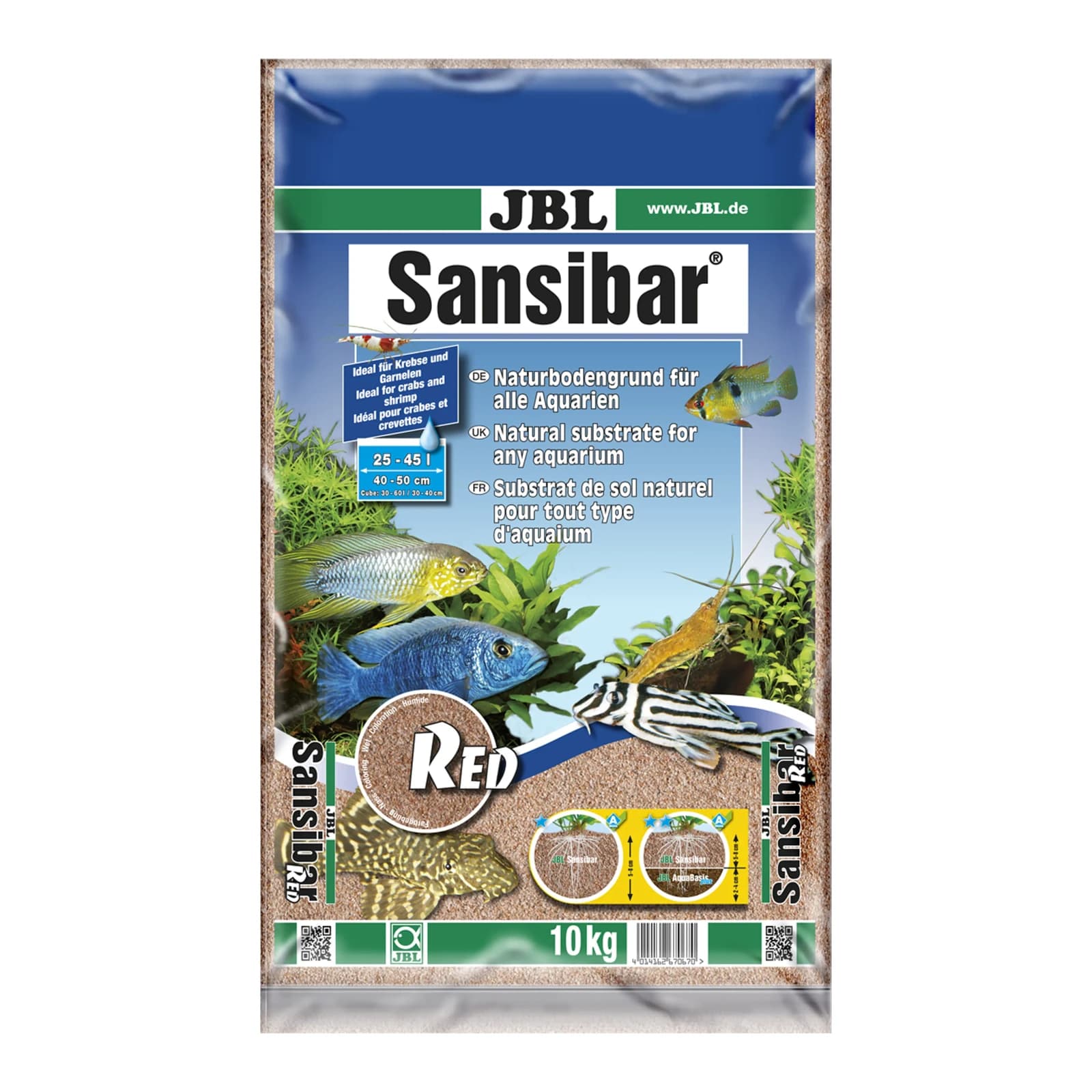
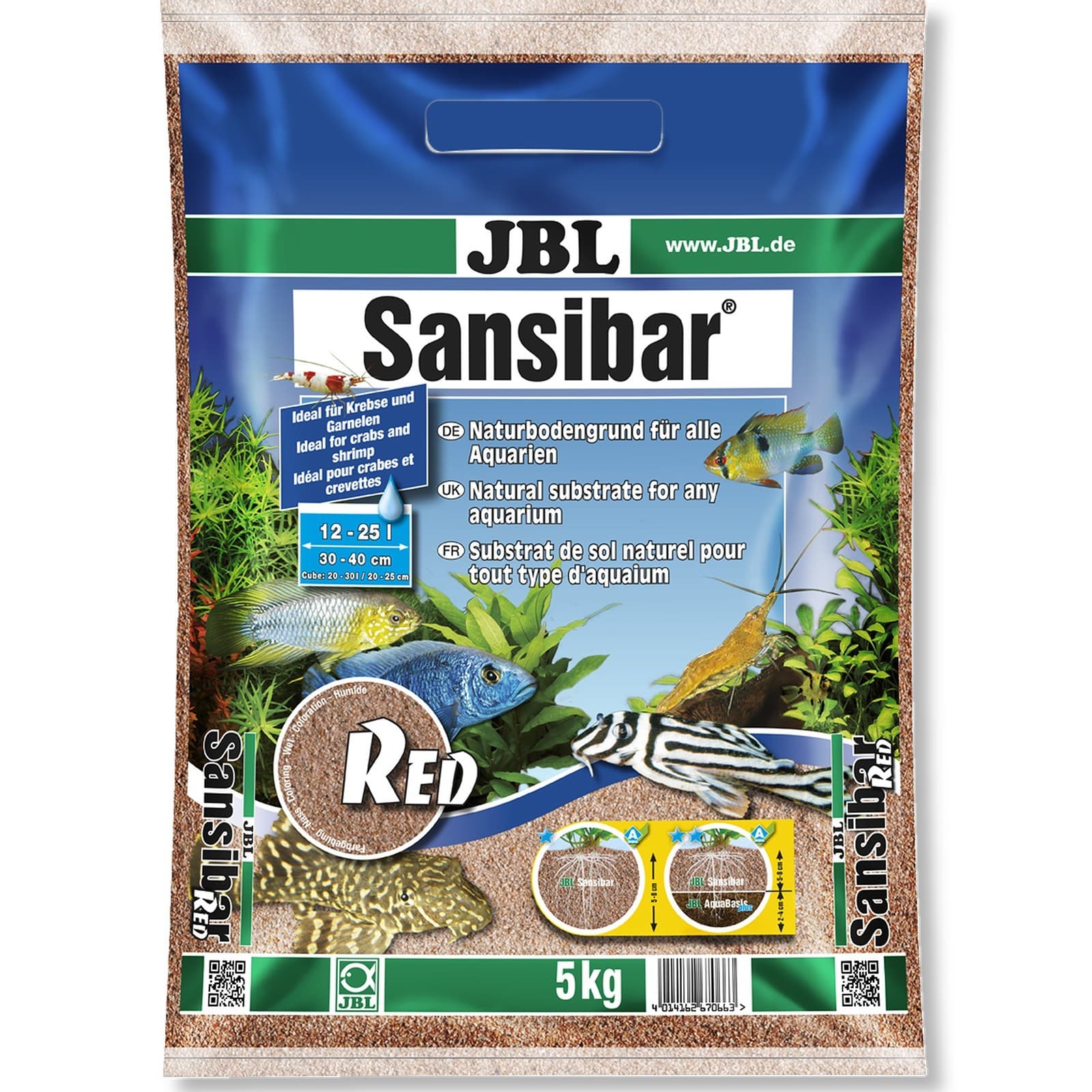
Aquarium substrates: nutrient-rich aquasoil, base layers, quartz and river gravel, lava and fine sand.
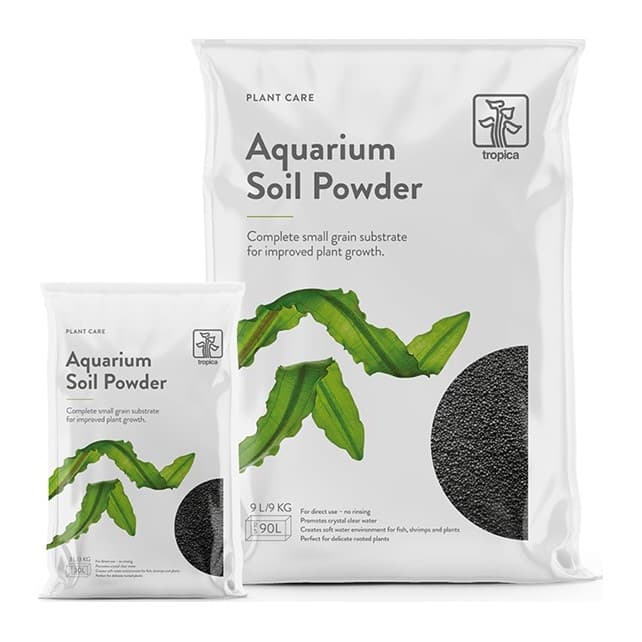
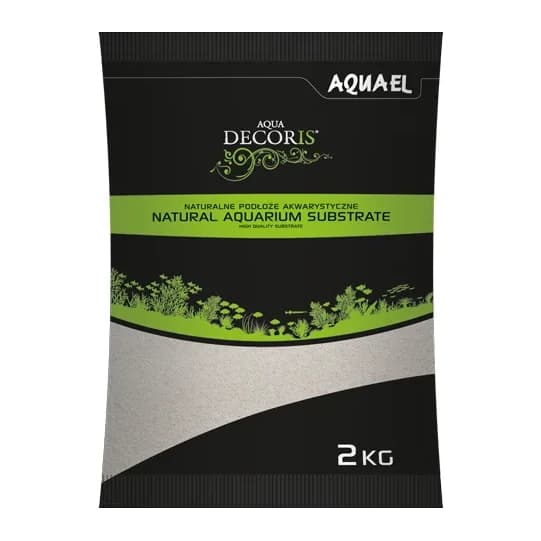
€25.99
Unit price: €3.47 / l
from€9.99
Unit price: €5.00 / l
€5.99
Unit price: €3.00 / kg
€3.99
Unit price: €2.00 / kg
€19.99
Unit price: €2.00 / kg
€16.99
Unit price: €3.40 / kg
€15.99
Unit price: €3.20 / l
€15.99
Unit price: €3.20 / kg
€12.99
Unit price: €2.60 / kg
Advice and care
How to choose aquarium substrate
Your choice depends on whether you grow rooted plants or mainly keep fish.
Nutrients for plants
A planted tank needs a nutrient soil or a nutrient base layer under gravel.
Sand for bottom-feeders
Fine, rounded sand suits fish that sift through the bottom.
Effect on water
Active soil softens the water, dolomite makes it harder.
Frequently asked questions
How deep should the substrate be?
In a planted tank usually 5–8 cm, deeper at the back than at the front. A fish-only tank needs just a couple of centimetres.
Does substrate need rinsing before use?
Rinse gravel and sand until the water runs clear. Active plant soil is not rinsed, as it would break down.
Read more
The bottom of an aquarium is more than decoration. Plant roots anchor in the substrate, bacteria that break down waste live on its grains, and some materials also change the water chemistry. So think about which plants and fish you want to keep before you buy.
Nutrient-rich aquasoil suits root-feeding plants such as cryptocorynes and carpeting plants. If you prefer the look of gravel, lay a thin nutrient base layer underneath it. Plants tied to stones and wood need no nutrient substrate at all, and a fish-only tank does fine with sand or gravel.
Active soil makes the water softer and more acidic, which suits shrimp and many South American fish but not cichlids that prefer hard water. Rinse gravel and sand before use, but not active soil, because washing breaks down its grains.