
1. Why some plants need root feeding
Plants take up nutrients through two channels: through the leaves from the water and through the roots from the substrate. A liquid fertiliser mostly reaches the leaves, but many fast-growing plants and plants with a sturdy root system feed mainly through the roots. Root fertiliser placed close to those roots helps them.
In a new tank with a nutrient-poor or already used substrate, capsules are an easy way to give the plants a reserve. If you already have a nutritious substrate, you usually need capsules later, once the plants are rooted and growing actively.
Capsules do not replace light or carbon dioxide. A plant only uses nutrients when there is enough light, and a strong nutrient supply with weak light tends to feed algae rather than plant growth.
2. Two capsules: Tropica and 2Hr Jazz
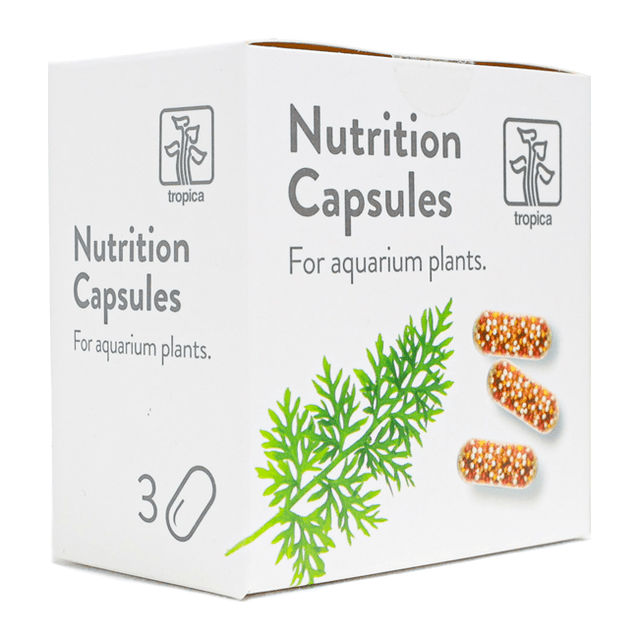
Tropica Nutrition Capsules contain nitrogen, phosphorus, iron, manganese and micronutrients, released over one to two months. The small resin balls inside stay in the substrate and are biologically harmless. A pack holds 3 capsules.
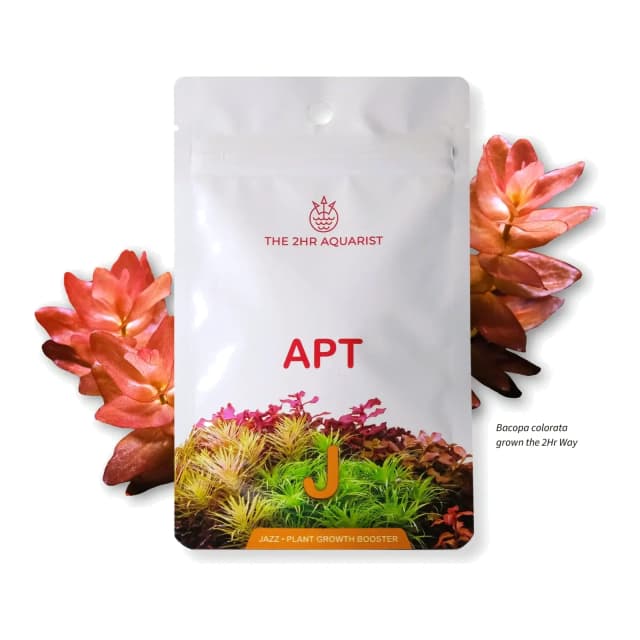
2Hr Aquarist APT Jazz are root fertiliser capsules that keep nitrogen in the substrate instead of releasing it into the water, with a low risk of an ammonia spike. The manufacturer’s dosing: 1 capsule per 4 × 4 cm, up to 10 capsules per 30 l of tank water, replenish after 2 months. Available as 18 or 54 capsules.
The choice mostly depends on size. For a small tank, three Tropica capsules are enough for one plant group; to cover a wider area, Jazz fits better with its per-square dosing.
3. Which plants need capsules
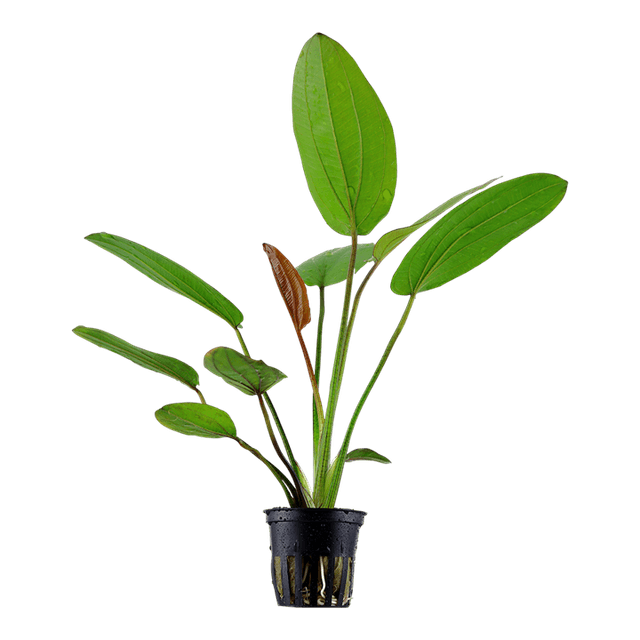
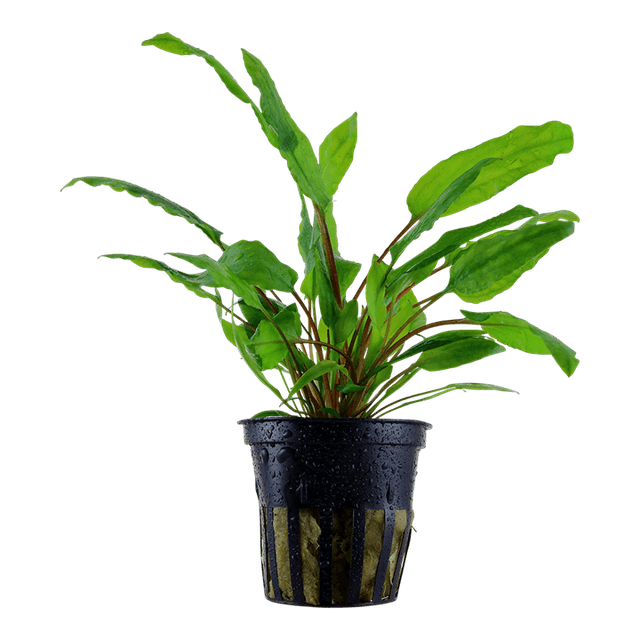
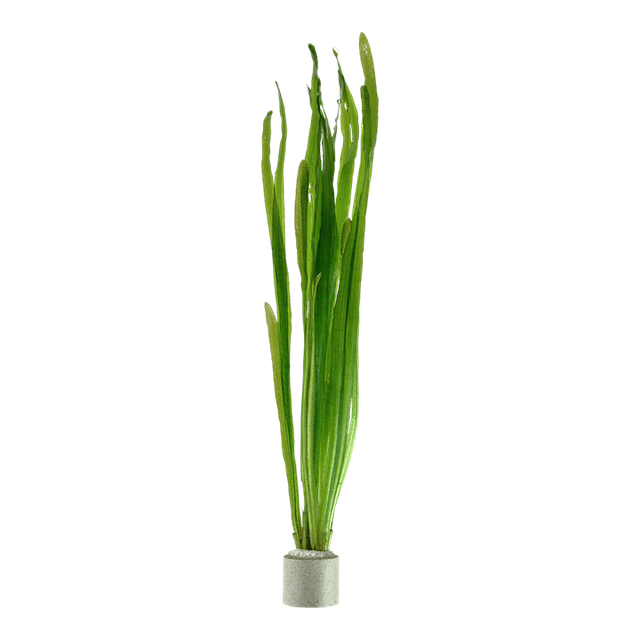
Tropica recommends capsules for fast-growing plants and plants with sturdy roots: stem plants, Cryptocoryne, Echinodorus and Vallisneria. Our data lists many of them, for example Echinodorus x barthii, Cryptocoryne wendtii Green and Vallisneria americana natans, all with low light and low CO2 demand.
Plants that attach to a surface, such as Anubias, Bucephalandra and mosses, do not need capsules: they feed through their leaves and their rhizome does not belong in the substrate.
Very slow plants, such as little Cryptocoryne parva, can benefit from one capsule, but do not overdo it: a slow grower uses little.
4. How to place the capsules
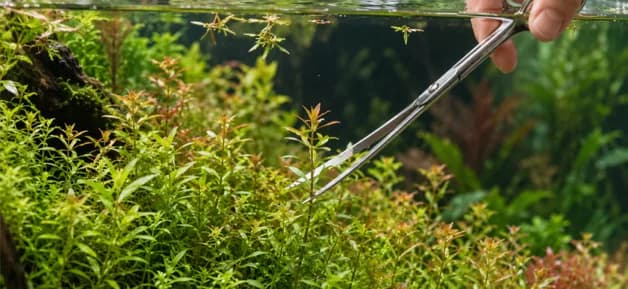
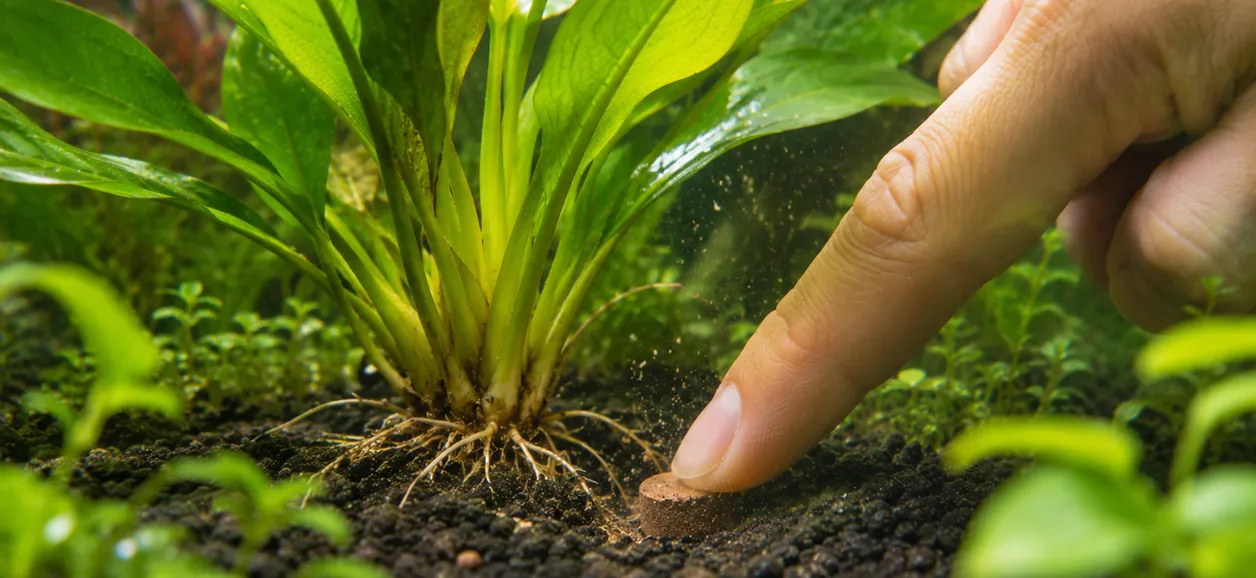
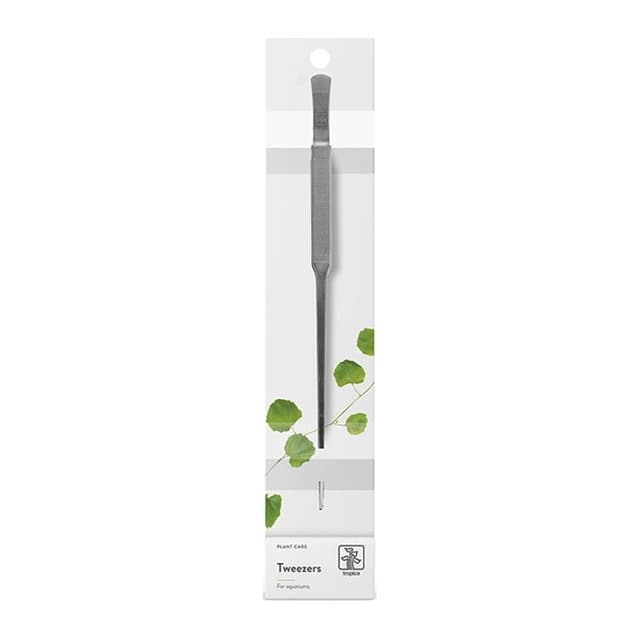
Push the capsule into the substrate close to the roots with tweezers. Tropica advises pressing it about 3–4 cm into the gravel, so the substrate layer should be at least 3–4 cm deep. Tweezers make this easy.
Do not put the capsule directly on top of the roots: place it beside the plant so the roots find it themselves. Around a large plant you can place one capsule on each side.
Make sure the capsule stays covered and does not float up: if it comes loose, press it back down. Do not disturb the substrate near the roots often.
5. How often and what to avoid
Capsules work for roughly one to two months. Replace them when plant growth slows or old leaves turn pale, but check light and CO2 first.
Do not place capsules next to a plant that has no roots yet: before the plant is planted, a capsule can only leak into the water.
If algae increase, reduce the dose and also check your liquid fertiliser and lighting. You will find more in the guides about algae and about liquid fertiliser.
6. A simple plan for beginners
First plant your plants and give them a couple of weeks to root. Then pick out the ones that grow fast or are large, and place one capsule beside each of them. Leave the remaining plants to the liquid fertiliser and the light.
Watch the plants over the following month: new, strong leaves and longer roots suggest that nutrients are sufficient. If one plant looks pale while light and CO2 are adequate, add the next capsule near it.
Every plant reacts in its own way. If you are unsure, start with less and add as needed: a capsule is easy to add but hard to take back out.
Plants that make use of root fertiliser (A-SCAPE data)
| Plant | Placement and height | Light / CO2 | Growth / difficulty |
|---|---|---|---|
| Echinodorus x barthii | Background, 20–30 cm | Low / low | Medium / Easy |
| Cryptocoryne wendtii Green | Middleground, 10–30 cm | Low / low | Medium / Easy |
| Vallisneria americana natans | Background, 20–30 cm | Low / low | Fast / Easy |
| Echinodorus reni | Middleground, 15–30 cm | Low / low | Medium / Easy |
| Cryptocoryne parva | Foreground, 5–10 cm | Medium / low | Slow / Medium |
Checklist
- Check that the substrate is at least 3–4 cm deep
- Choose plants that feed through roots, not surface-attached ones
- Push the capsule close to the roots with tweezers, not on top
- Keep the capsule under the substrate, not at the surface
- Do not exceed the manufacturer’s dose
- Replace capsules after about 1–2 months
- Watch light and CO2 together with feeding
- If algae increase, reduce the dose
Products for this guide
| Plant | Height | Light | CO2 | Growth | Difficulty | Placement |
|---|---|---|---|---|---|---|
| Echinodorus x barthii | 20–30 cm | low | low | medium | easy | background |
| Cryptocoryne wendtii 'Green' | 10–30 cm | low | low | medium | easy | midground |
| Vallisneria americana 'Natans' | 20–30 cm | low | low | fast | easy | background |
Size, light and CO2 demand are manufacturer data; real results depend on your aquarium.
from€3.99
Unit price: €1.33 / pc
from€16.99
€16.99
Frequently asked questions
Do I need root fertiliser if I use a liquid fertiliser?
Not always. Liquid fertiliser reaches the leaves and capsules reach the roots, so they mainly help fast-growing plants with sturdy roots when the substrate is poor in nutrients.
Are capsules suitable for Anubias or moss?
Usually not. These plants attach to rock or wood and feed through their leaves, so they do not need root fertiliser.
How often should capsules be replaced?
Tropica capsules release nutrients over 1–2 months and 2Hr Jazz advises replenishing after 2 months. The exact timing depends on plants and light.