1. What is in tap water
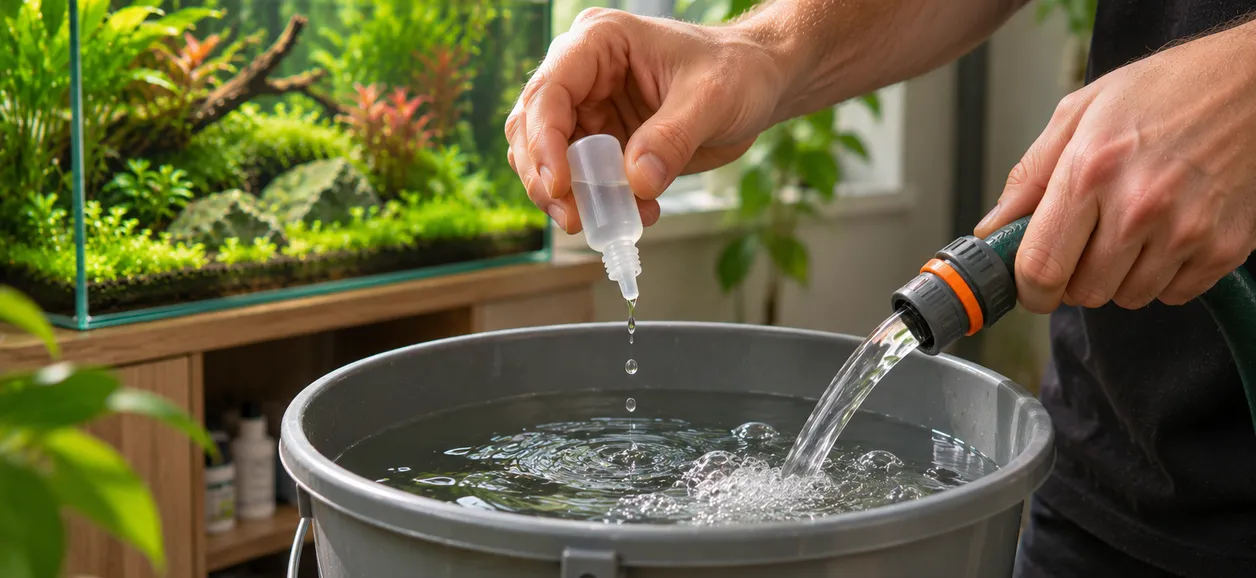
Tap water is treated to be fit for people to drink, and chlorine compounds may be used to disinfect it. These do not necessarily suit fish, shrimp and beneficial bacteria, so treat fresh tap water with a water conditioner before it goes into the aquarium.
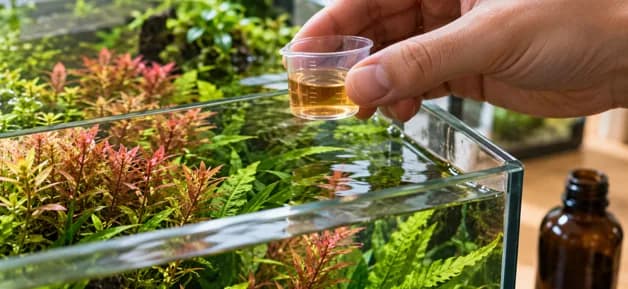
According to the manufacturers, Tropica Water Conditioner neutralises chlorine instantly and binds heavy metals such as mercury, lead, cadmium and copper. 2Hr Aquarist APT Pure removes chlorine and chloramine and contains aloe vera extract.
If you do not know whether chlorine or chloramine is used to disinfect the water in your area, check with your water supplier. When choosing a conditioner, read the product page to see exactly what it removes.
2. How to do a water change
A water change removes nitrate and organic matter and replenishes minerals that plants need. Usually about a quarter to a third of the water is changed once a week, but the exact frequency depends on the number of fish, the plants and fertilising. Measure nitrate and adjust accordingly.
Before you start, switch off the heater and the filter, or at least check that the heater stays covered by water. Remove water with a siphon and clean the substrate at the same time. Do not pull up the plants or knock the stones out of place.
Prepare the new water in a separate container, add conditioner and check the temperature. Pour the water in slowly, for example onto a leaf or a bowl, so that the substrate and plants stay in place. Finally switch the equipment back on.
3. Matching the temperature
New water should be at about the same temperature as the aquarium water. The usual temperature of a tropical aquarium is 24–26 °C, and the same value suits the new water. Match the temperature with a thermometer, not your hand, because a hand is inaccurate for this.
A large temperature difference can stress fish and weaken plants. Add the water gradually and watch how the fish behave. When the difference is small, the fish barely notice the water change.
In winter tap water can be very cold. Mix cold and warm water in a bucket until the thermometer shows the right temperature, and only then pour it into the aquarium. Add the conditioner to the bucket, not the aquarium, so the dose is accurate. Write down the date of the water change and the amount changed, so you can see whether the schedule works.
4. Other additives: when you need them
Bacteria and other additives are not required, but they can help. According to the manufacturer, 2Hr Aquarist APT Balance is a dry-powder bacteria blend made for the soft, acidic water of soil tanks and works within pH 5.5–9.5.
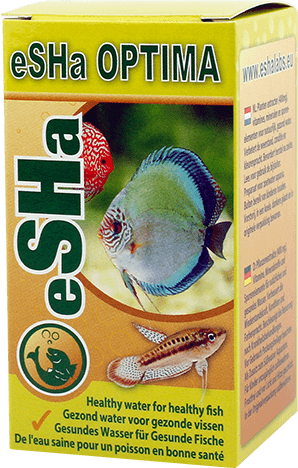
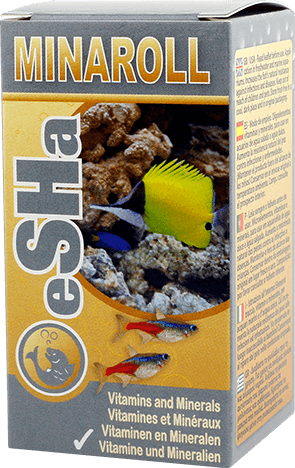
AquaEL Turbo Clear is made to clear cloudy water: particles clump and settle. eSHa OPTIMA contains plant extracts, trace elements, minerals and vitamins that tap water lacks, and eSHa MINAROLL is a vitamin and mineral supplement.
Do not use several products at once without reading the product page. Start with the conditioner and add the others only when you have a reason.
5. Common mistakes
The most common mistake is a water change that is too big at once: if you change half or more of the aquarium water, temperature and hardness shift abruptly and fish and plants get stressed. It is better to change less, but regularly. The second mistake is forgetting the conditioner, especially when water is added straight from a hose.
Do not clean filter media with tap water or wash it in hot water, because chlorine and heat can kill the beneficial bacteria. Rinse the filter in water taken from the aquarium. The third mistake is exceeding the dose: a bigger dose does not work better, so dose by the product page.
If you use a CO2 system, do not skip water changes just because plants seem to grow well. A water change keeps fish waste under control and replenishes minerals that plants use up.
Conditioners and additives at a glance
| Product | What it does | Dose per manufacturer |
|---|---|---|
| Tropica Water Conditioner | Neutralises chlorine, binds heavy metals | 10–12 ml per 100 l at every water change |
| 2Hr APT Pure | Removes chlorine and chloramine | 1 ml per 60 l |
| 2Hr APT Balance | Nitrifying and waste-digesting bacteria | See the product page |
| AquaEL Turbo Clear | Clears cloudy water | See the product page |
| eSHa OPTIMA | Plant extracts, trace elements, vitamins | 20 ml treats 2,000 l |
| eSHa MINAROLL | Vitamins and minerals | See the product page |
Checklist
- Always add a conditioner to tap water
- Do a water change once a week, a quarter to a third
- Match the temperature with a thermometer
- Prepare the new water in a separate container
- Switch off the heater and filter during the work
- Pour the water in slowly so the substrate is not stirred
- Dose by the product page, not by eye
- Measure nitrate and adjust the water change
Products for this guide
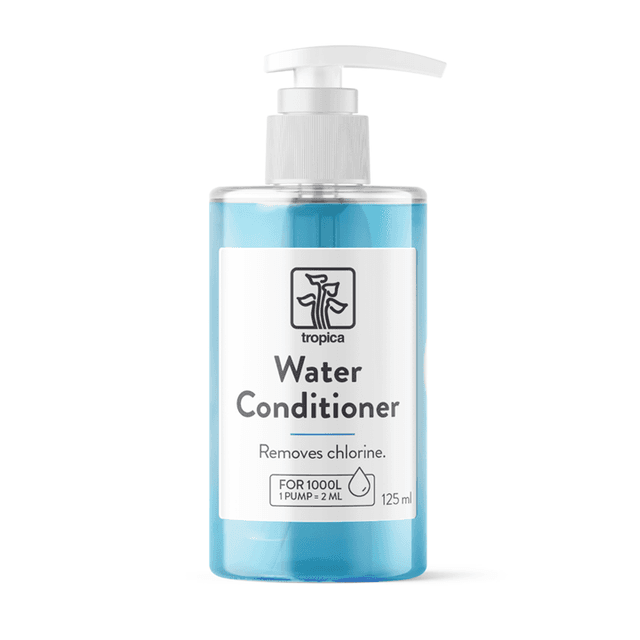
from€7.99
Unit price: €63.92 / l
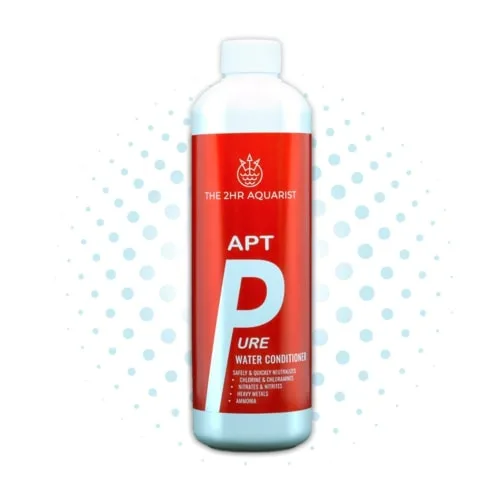
from€14.99
Unit price: €74.95 / l
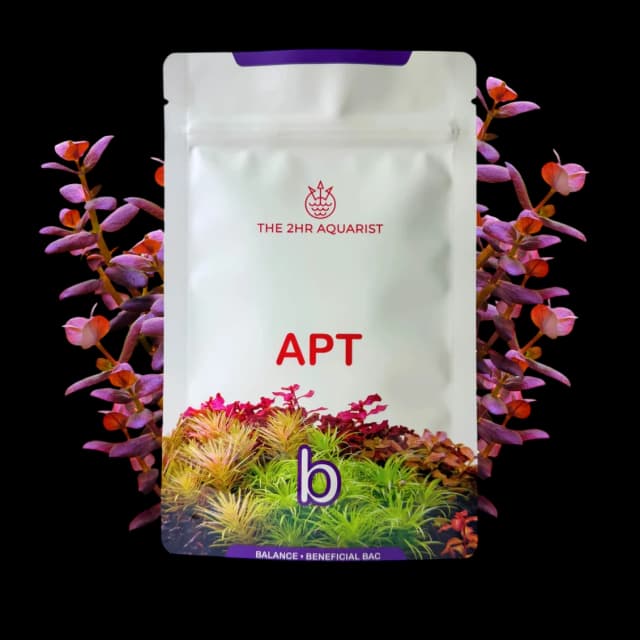
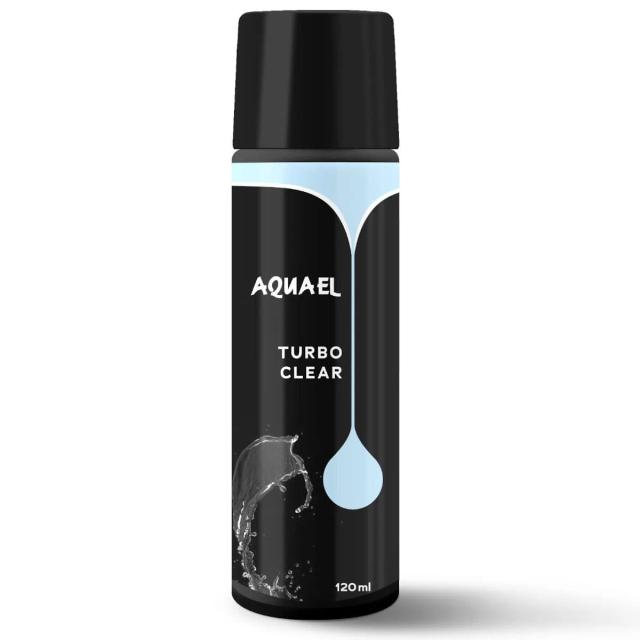
from€4.99
Unit price: €41.58 / l
€4.99
€6.99
Frequently asked questions
Do I need a conditioner at every water change?
Yes, every time you add tap water. Tropica gives a dose of 10–12 ml per 100 l of water at every water change.
How much water should I change?
Usually a quarter to a third once a week. The exact amount depends on the fish, the plants and the nitrate level.
Does a conditioner make the water completely safe for fish?
A conditioner deals with chlorine and in some cases chloramine, but it does not replace temperature matching, filtration or regular water changes.
What if the water gets cloudy after a water change?
The cause is often stirred substrate or a bacterial bloom. Waiting and filtration usually help; AquaEL Turbo Clear is made to clear cloudy water.