

Siphons
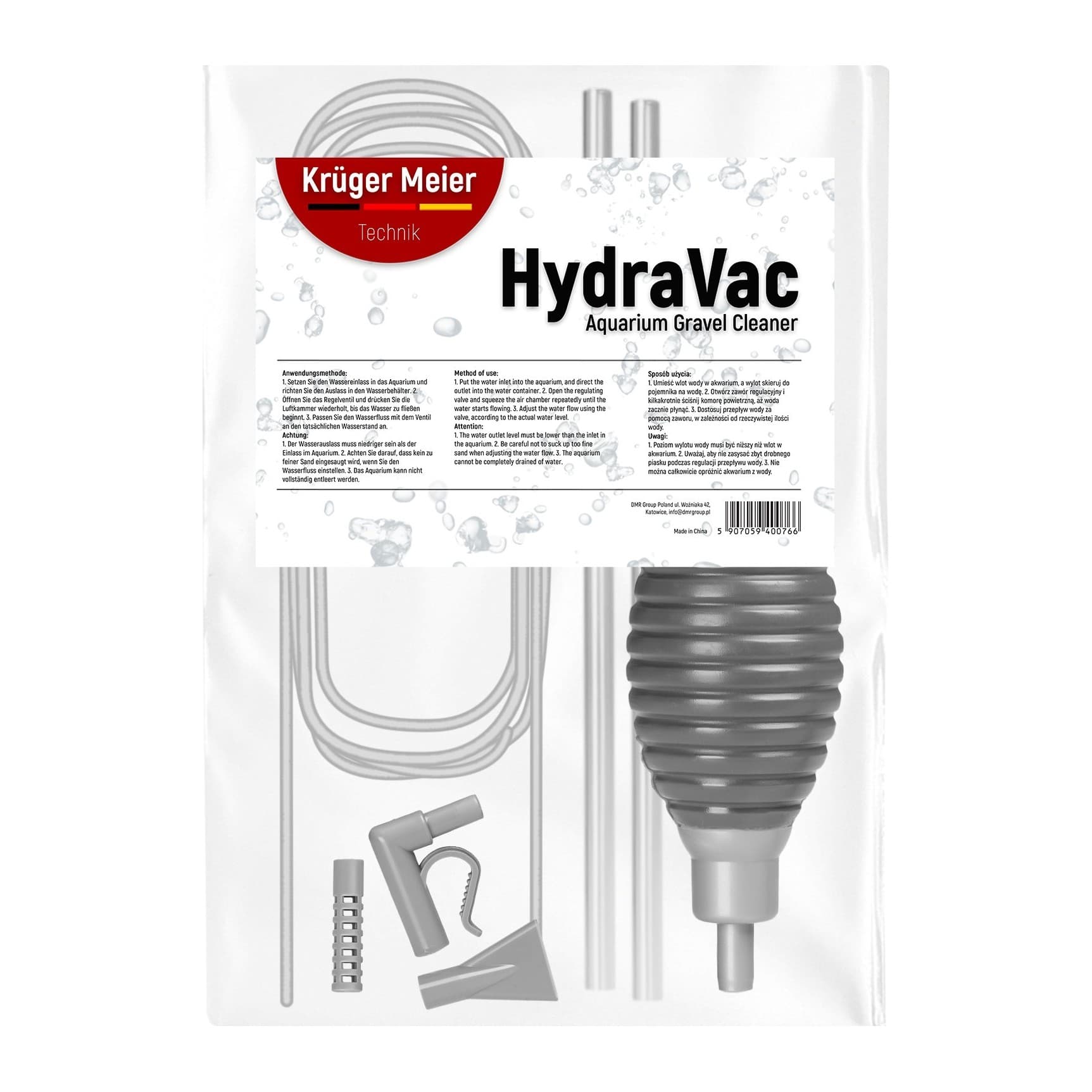
Gravel cleaners and siphons with valve or pump, a water change pump and cleaning sets for aquariums.
How to choose?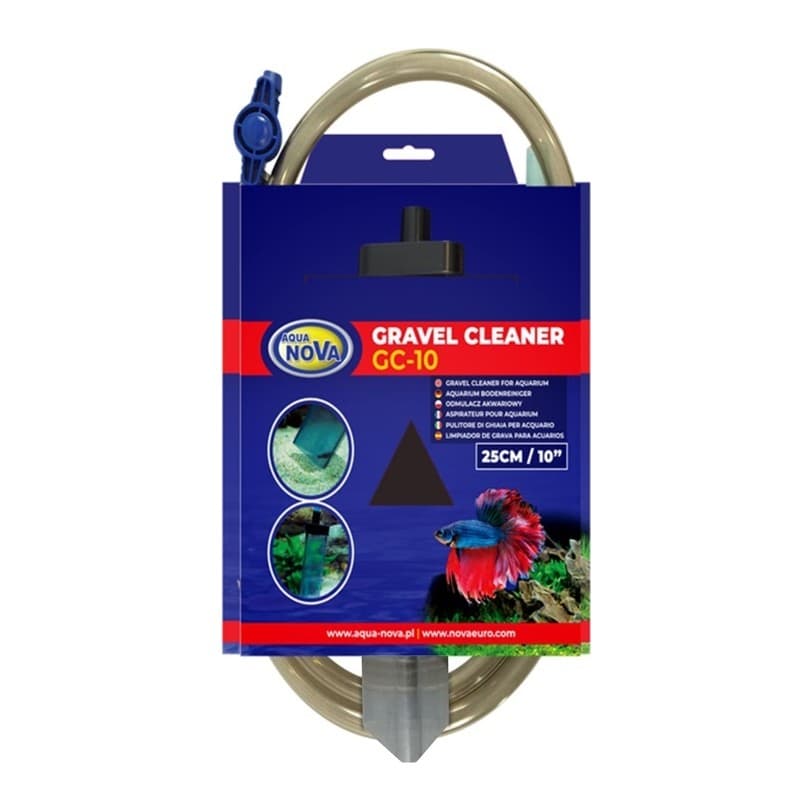
from€11.99
Advice and care
How to choose a gravel cleaner
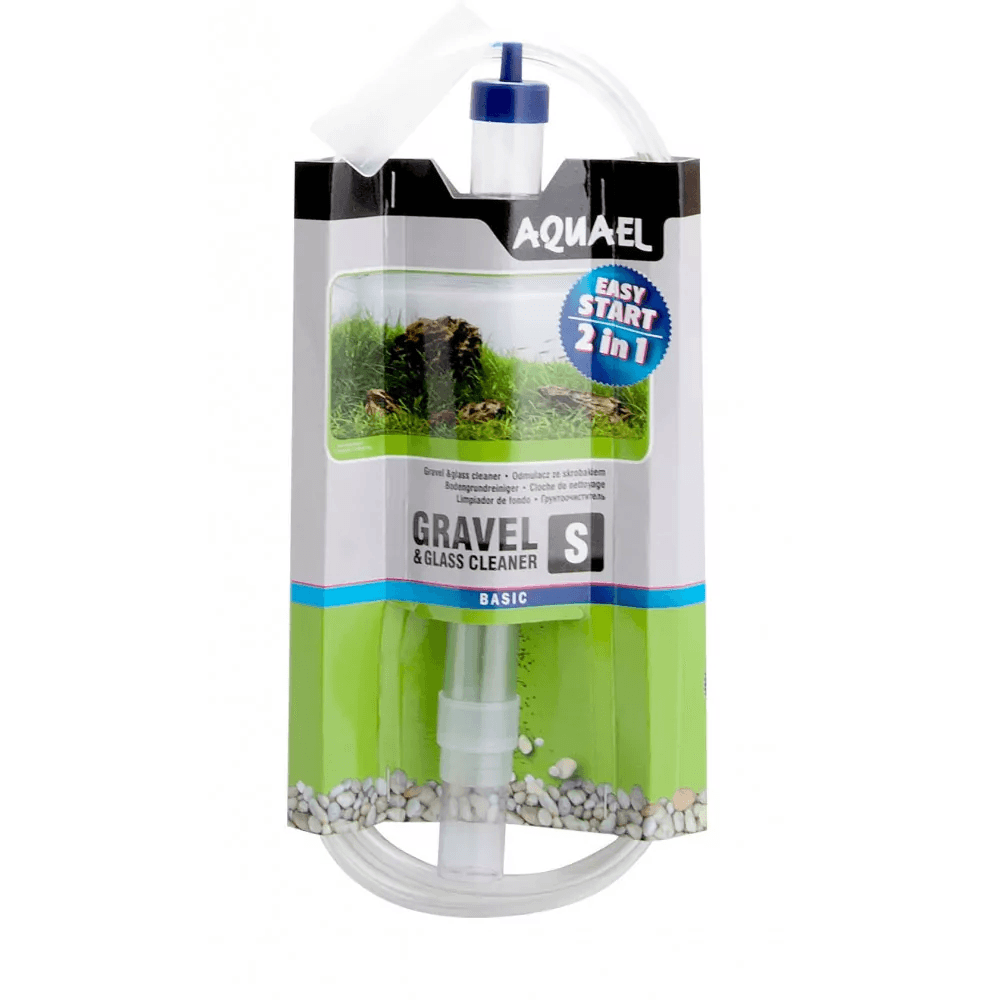
A cleaner's size and how it starts should suit the tank and the substrate.
Tube width
A narrow tube suits a small tank, a wide one empties a large tank faster.
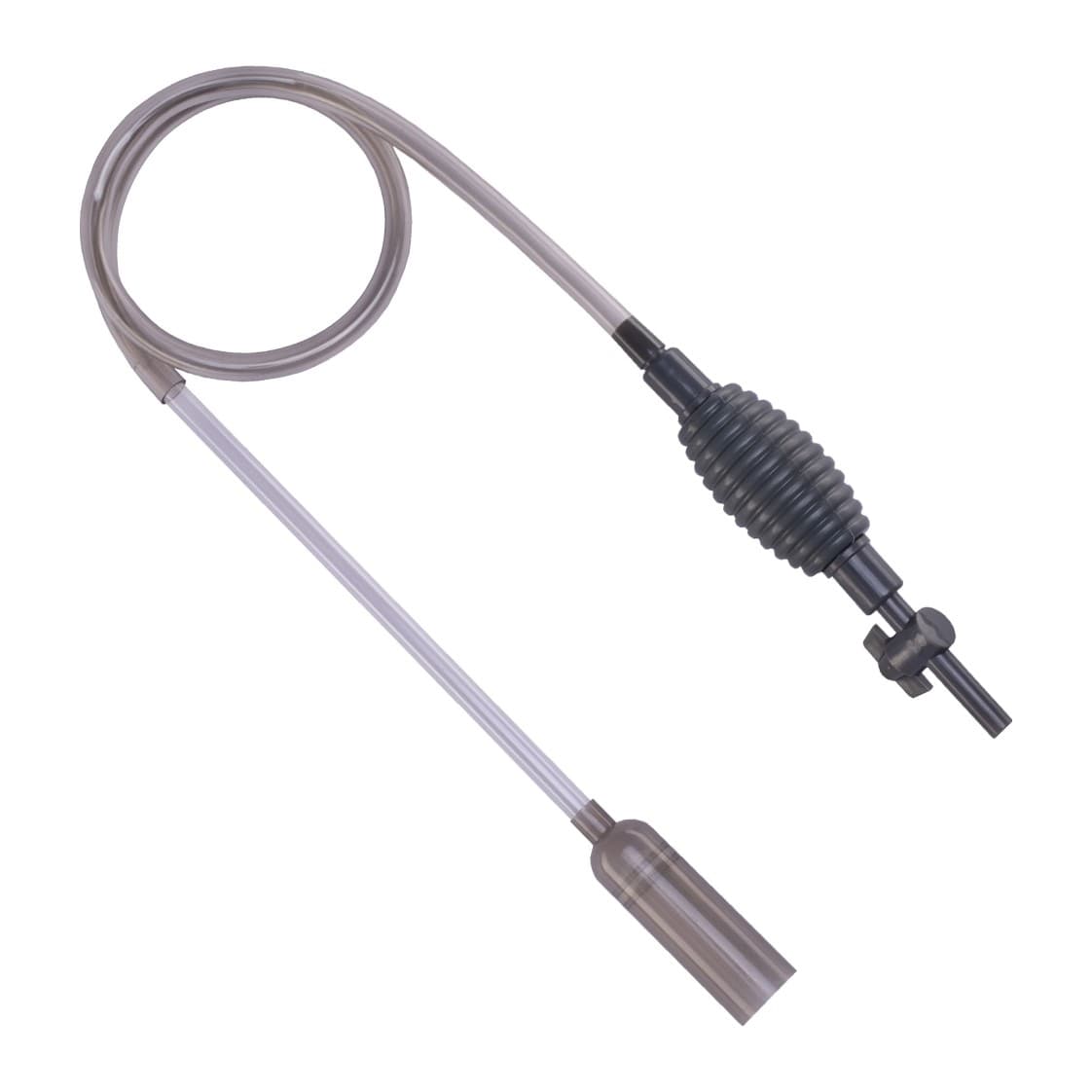
Starting
A cleaner with a pump or valve starts without sucking on the hose.
Plants
In a planted tank, clean only the open areas so the roots stay undisturbed.
Popular brands
All brandsFrequently asked questions
How much water should I change at a time?
Usually 20–30% a week. Large one-off changes shift water values suddenly.
How do I clean a sand bottom?
Hold the tube just above the sand so the flow lifts only the light dirt. A tube pushed into sand sucks the sand out.
Read more
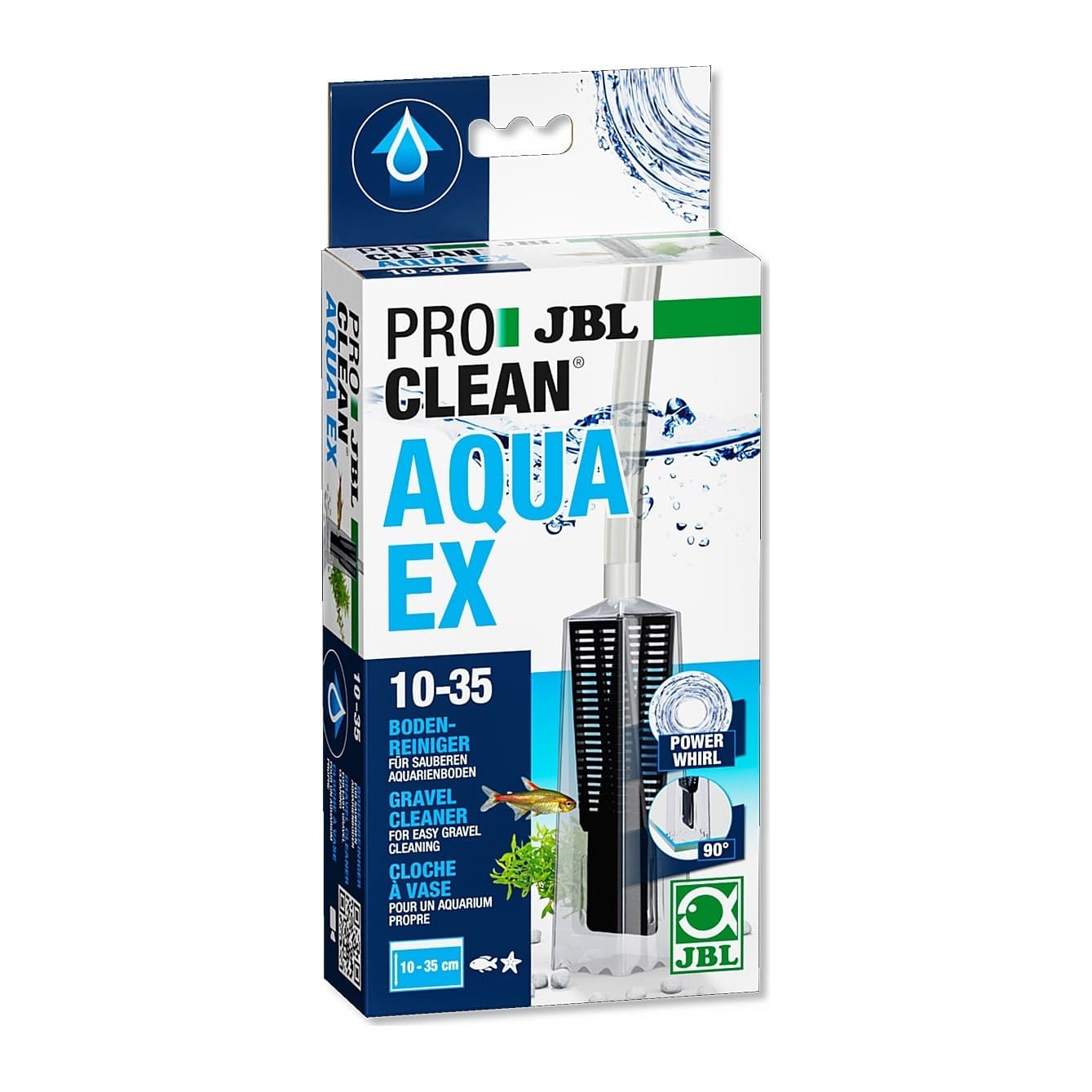
A siphon, or gravel cleaner, does two jobs at once: it lifts food scraps and fish waste out of the substrate and drains the old water from the aquarium at the same time. So the weekly water change also cleans the substrate.
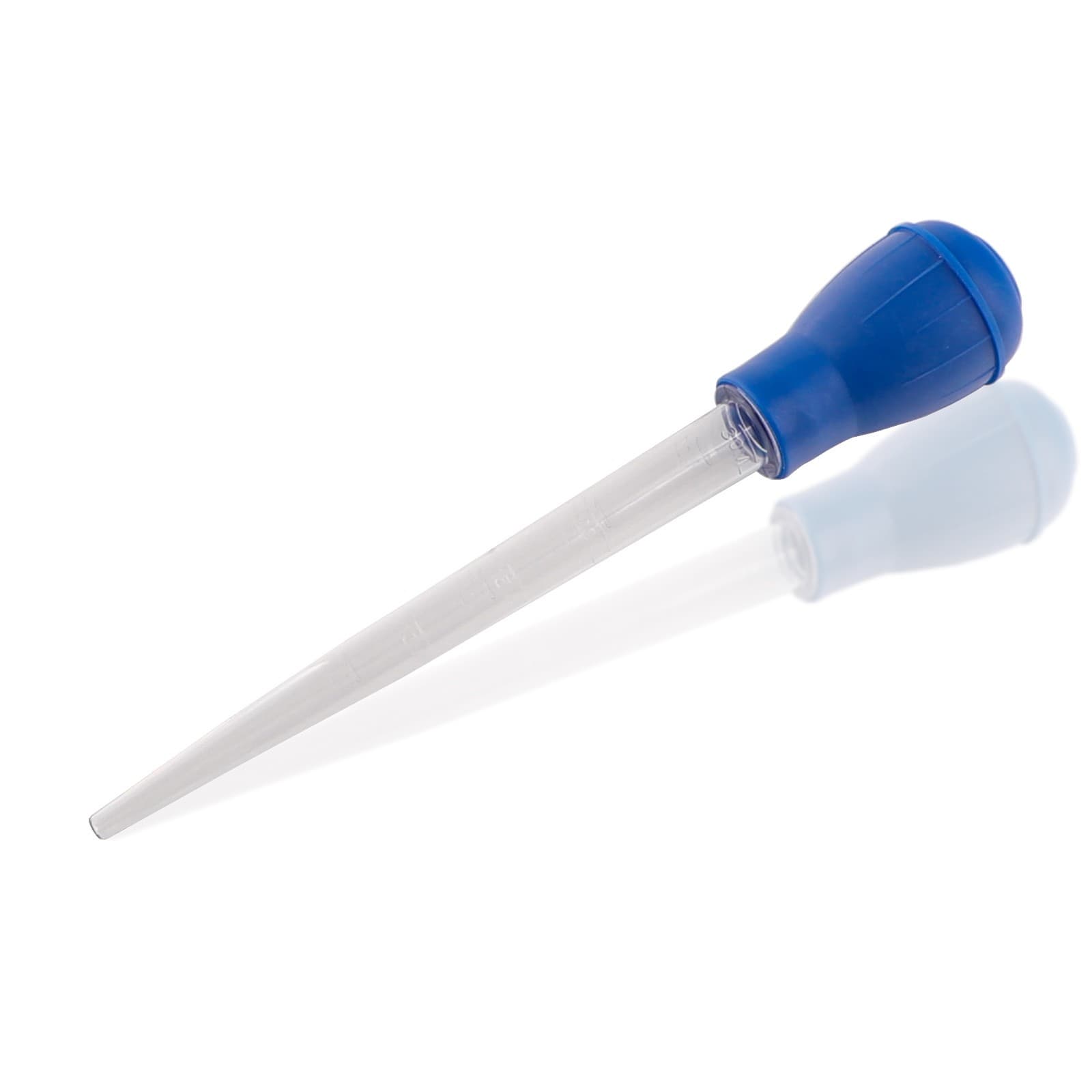
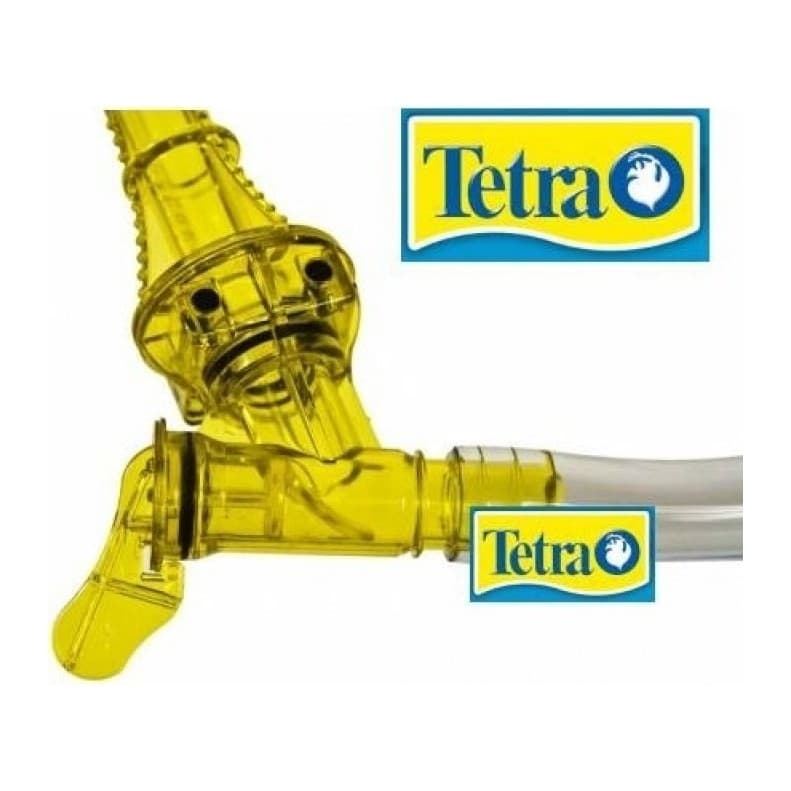
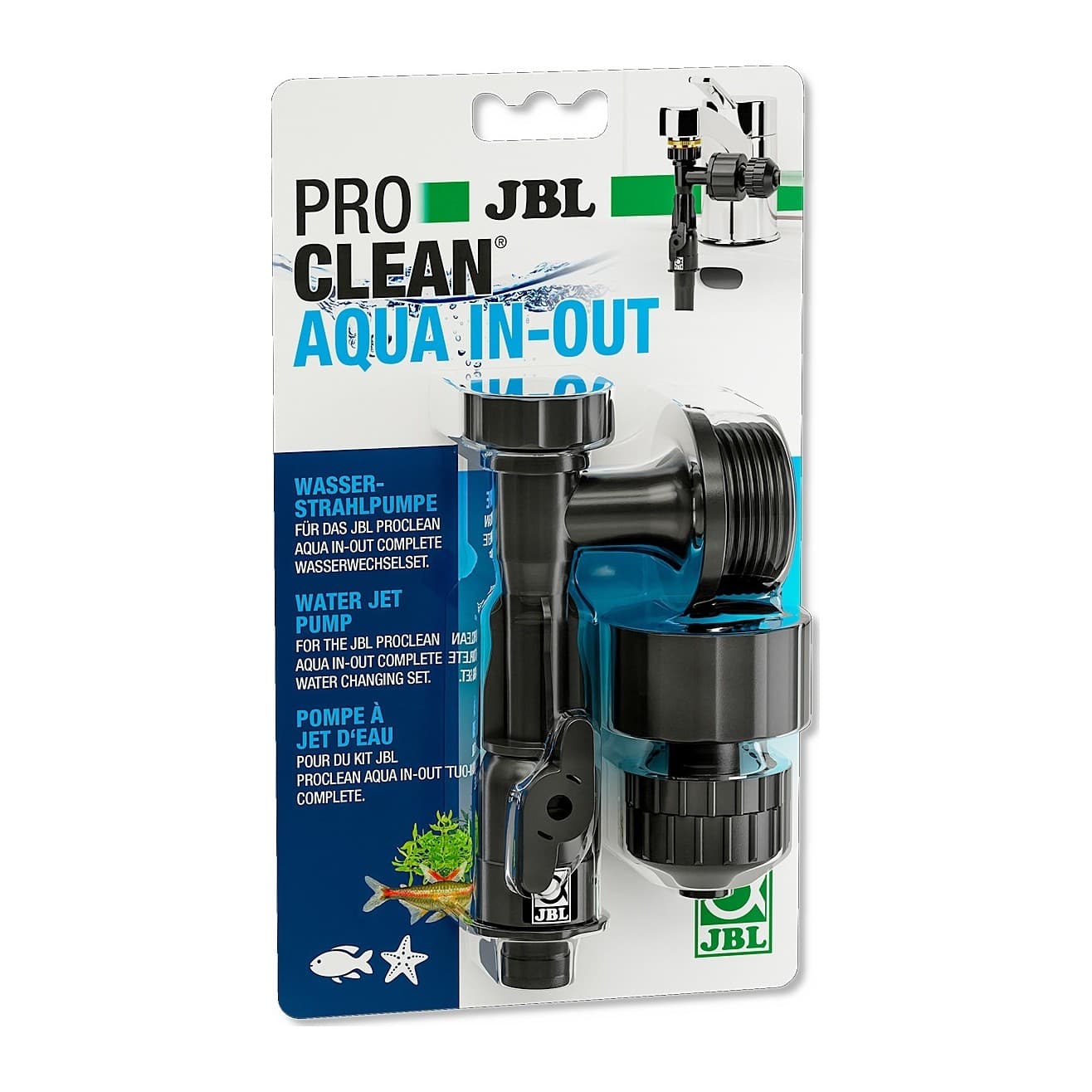
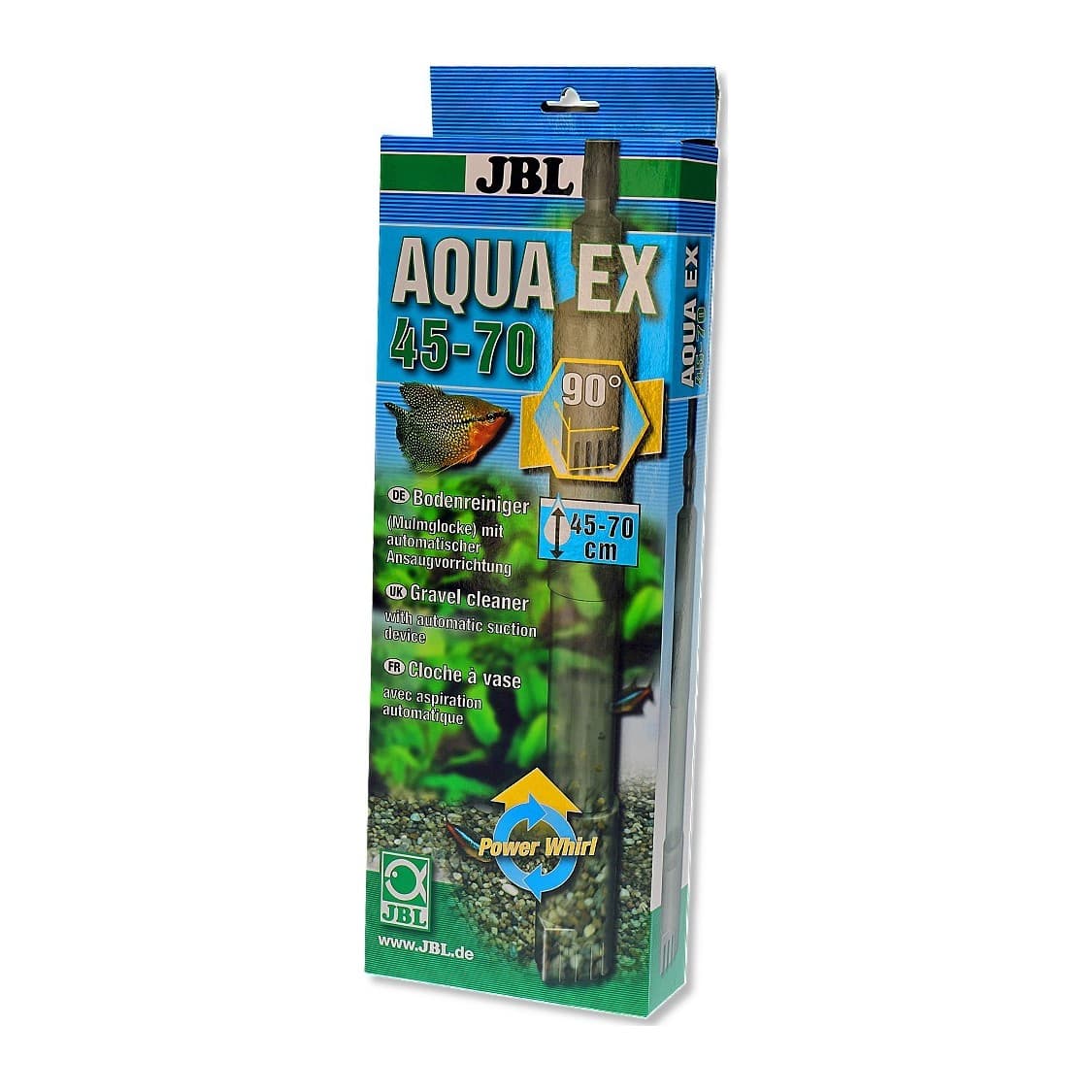
The range includes simple gravel siphons, cleaners with a valve or pump, a water change pump that can both drain and refill, and cleaning sets. A simple siphon is reliable and suits a smaller tank, while a pump model avoids starting the hose by mouth and suits deeper tanks.
A common mistake is cleaning the whole bottom at once. Cleaning only part of the substrate each time leaves enough beneficial bacteria, and the water does not turn cloudy. Make sure small fish and shrimp are not sucked into the tube; if needed, cover the end with fine mesh. New water should match the tank temperature.
Related guides
All guides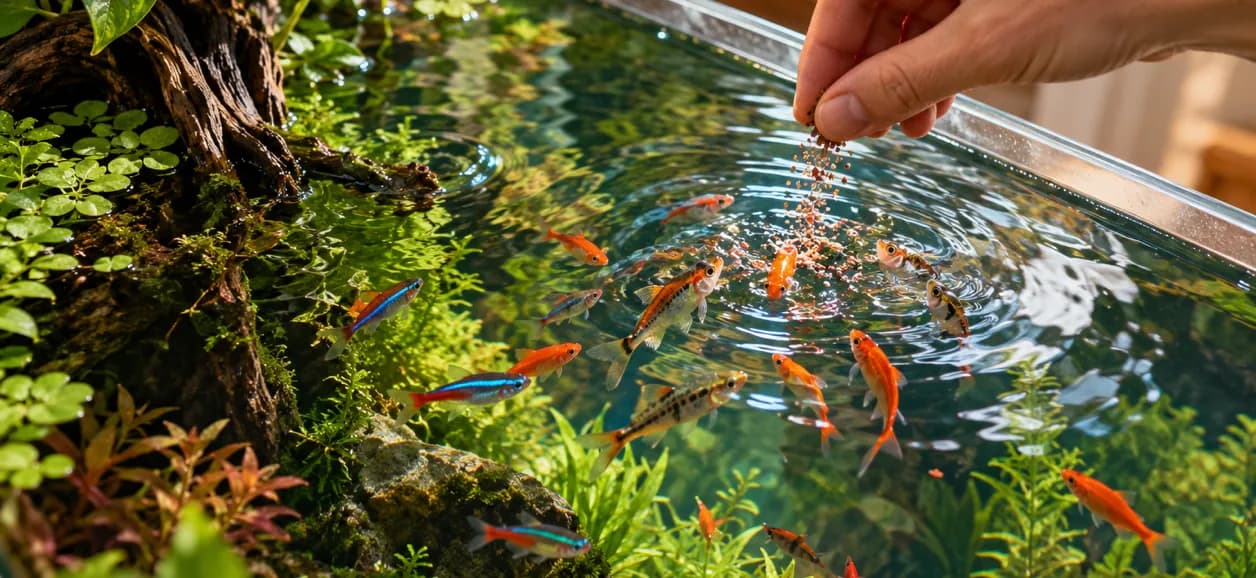 Feeding
7 min read6 sections
Feeding aquarium fish: how much, how often and which food
How much and how often to feed aquarium fish, how to choose flakes, granules and sinking tablets, and what to do while you are on holiday so the water stays clean.
Read the guide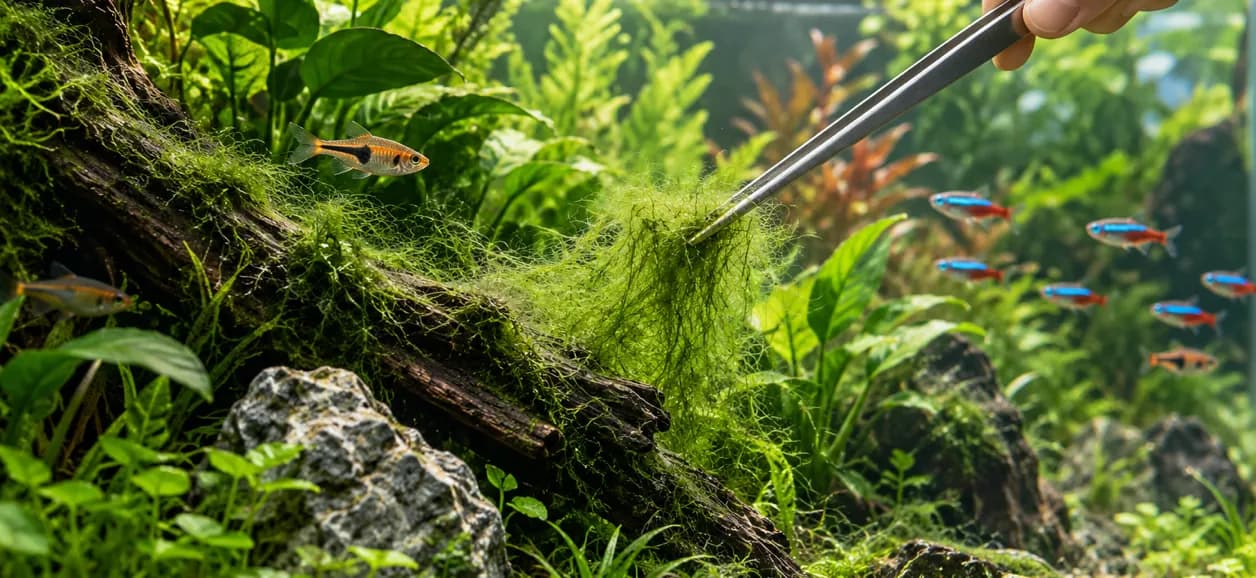 Algae
9 min read5 sections
Algae in the aquarium: 7 types and how to get rid of them
Algae in your aquarium? Learn to recognise 7 common algae problems, their possible causes and ways to keep their spread under control.
Read the guide