
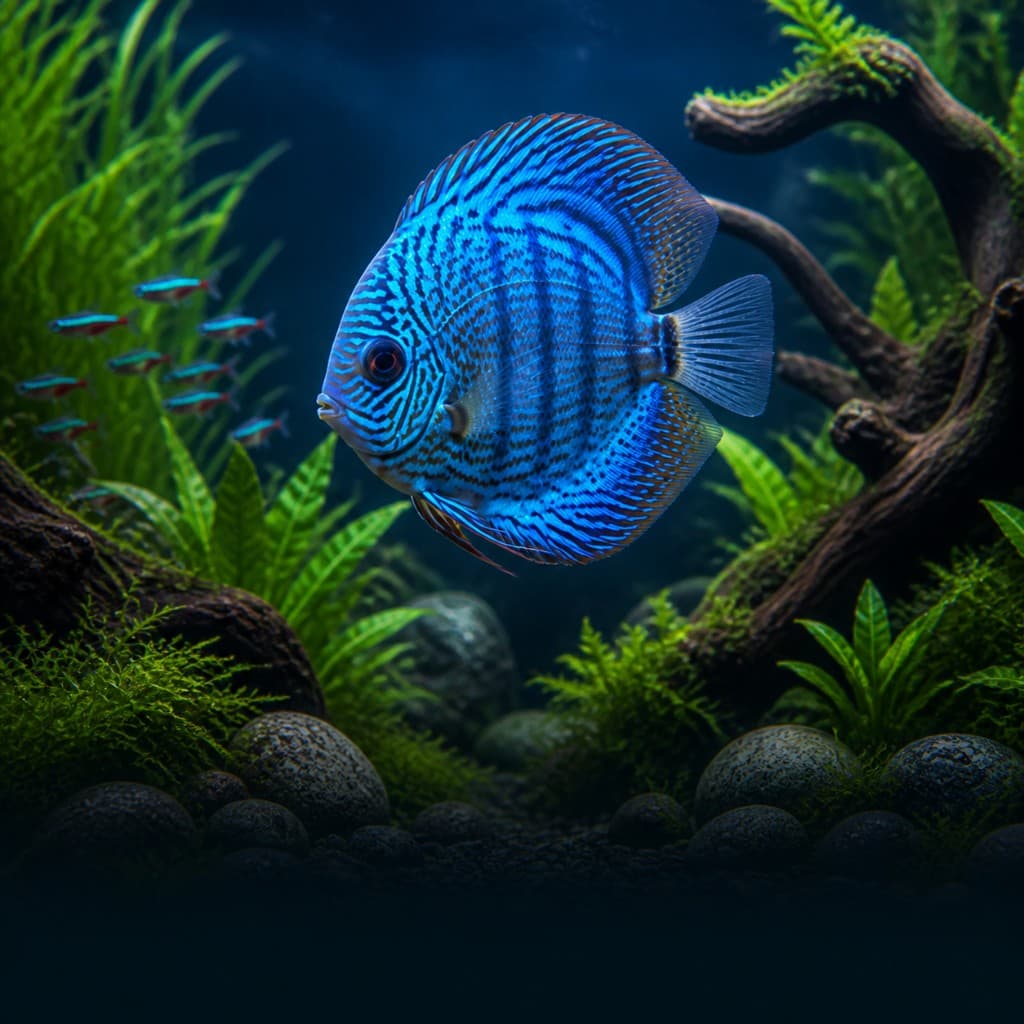

Marine Decorations
Marine rock and sand: base, arch and shelf rock, smaller rock for nano tanks and live sand with bacteria.
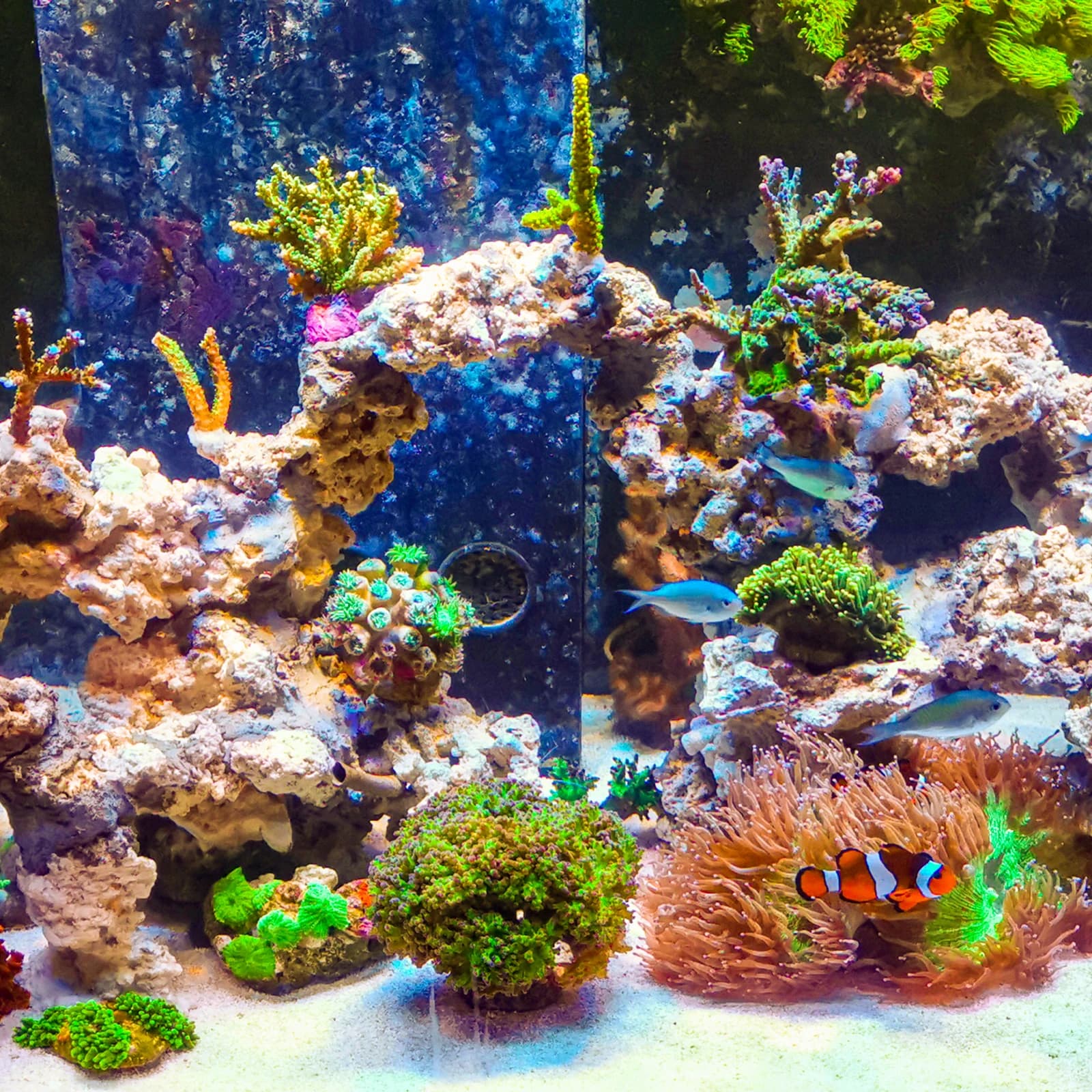
€78.99
Unit price: €3.95 / kg
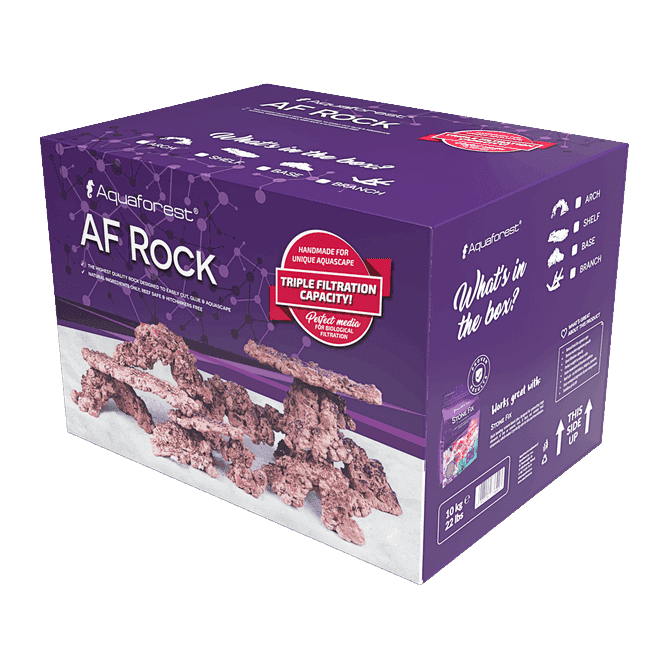
from€108.99
Unit price: €10.90 / kg
from€108.99
Unit price: €10.90 / kg
from€108.99
Unit price: €10.90 / kg
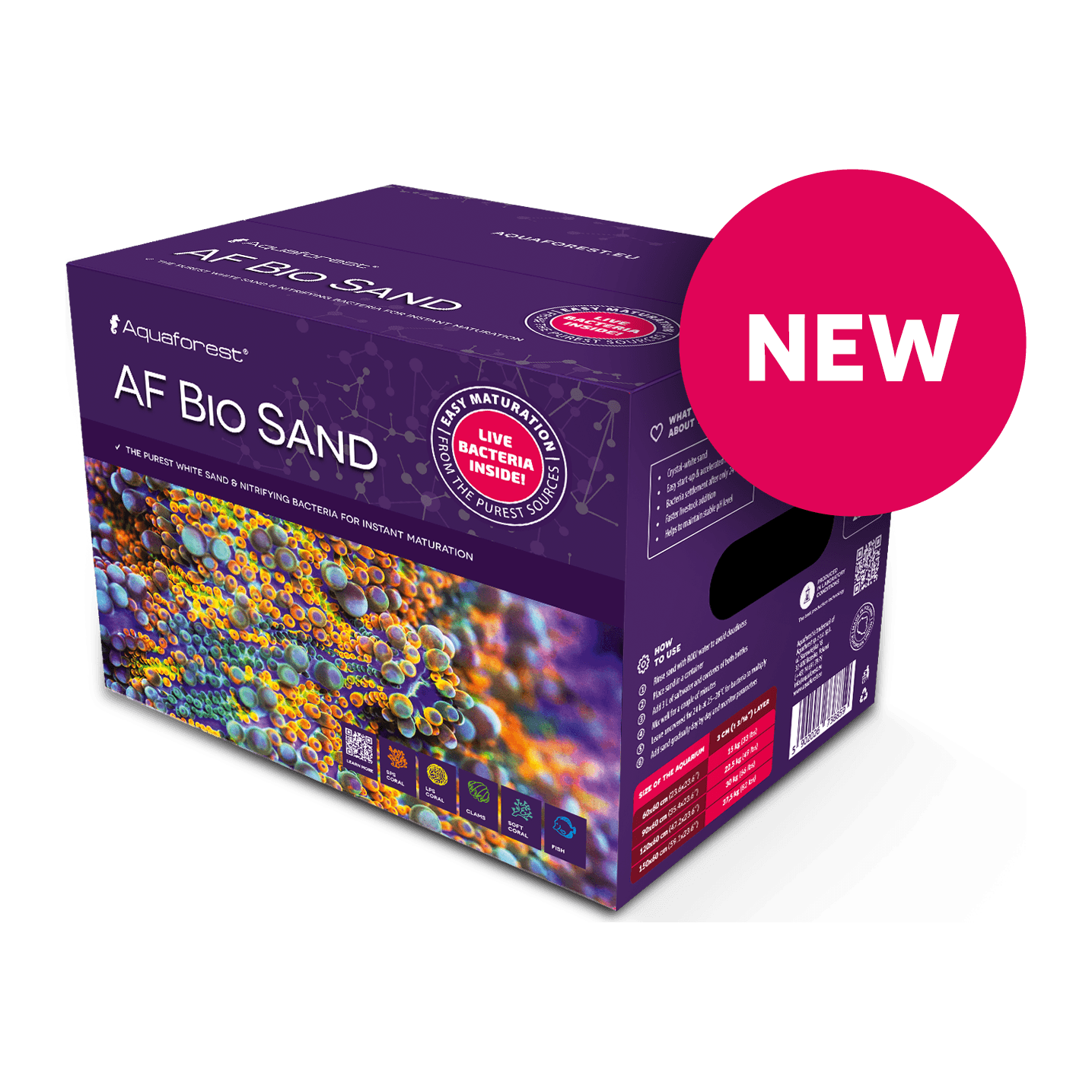
€31.99
Unit price: €3.20 / kg
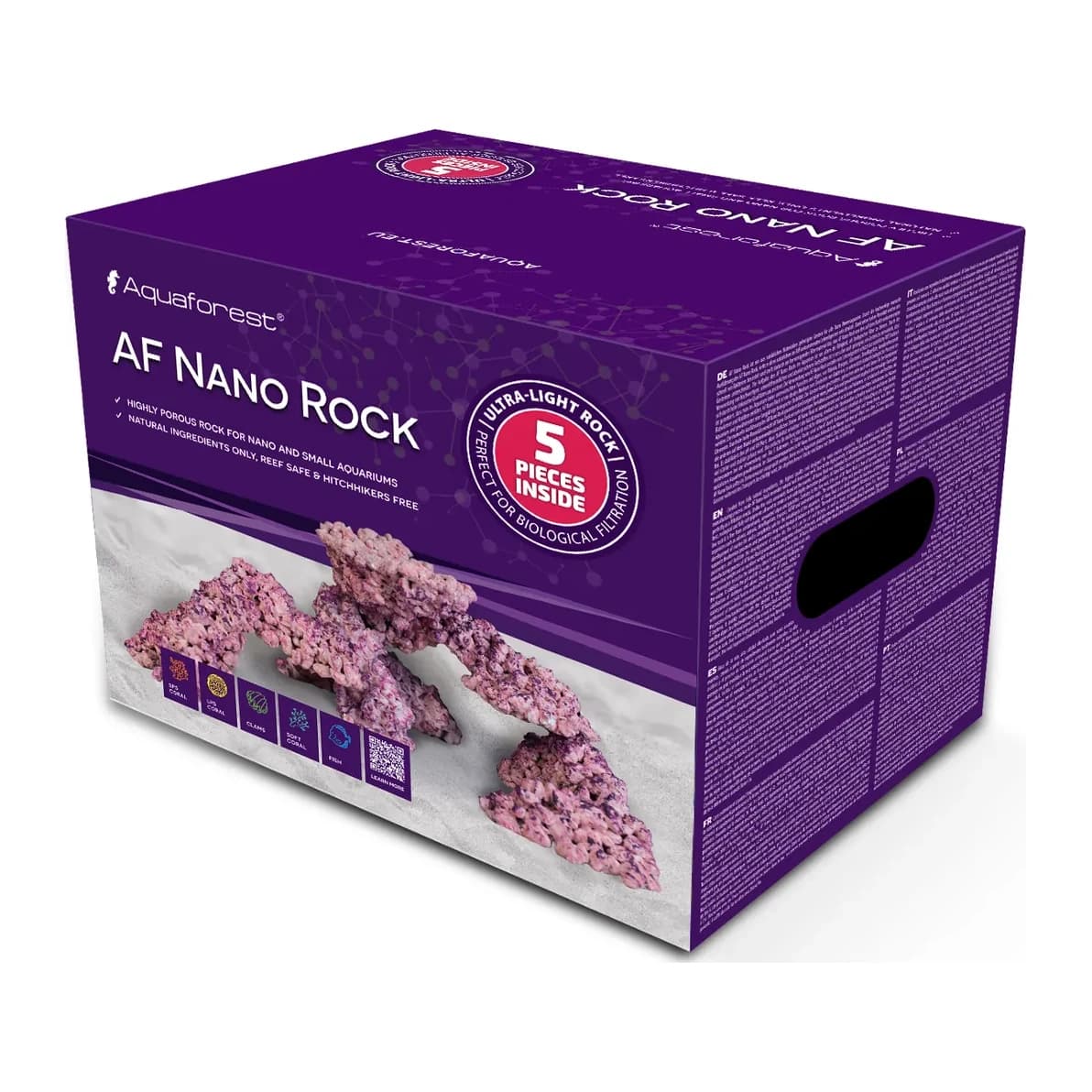
€51.99
Unit price: €14.85 / kg
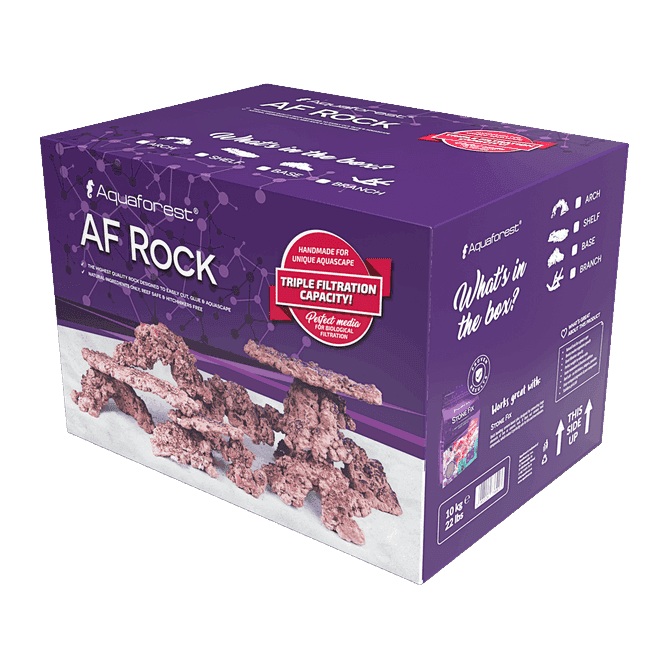
from€108.99
Unit price: €10.90 / kg
Advice and care
How to choose marine rock and sand
The amount and shape of rock decide how much room corals and swimming fish get.
Dry rock
Dry rock brings no pests, but it needs time to be colonised by bacteria.
Open structure
Leave space between and behind the rocks so flow reaches everywhere.
Thin sand bed
Keep the sand layer thin so no oxygen-free zones form.
Popular brands
All brandsFrequently asked questions
How much rock does a marine tank need?
It depends on the style: an open reef needs less rock than a dense one. Plan the layout dry before adding water.
What is sand with bacteria for?
It contains useful bacteria that help a new tank get started.
Read more
In a reef tank, rock and sand are part of the filter. Bacteria living in their porous surfaces break down waste, and the rock is the base the corals are fixed to. That is why the amount and shape of rock are worth thinking through before the tank is filled.
This section has dry reef rock in different shapes, smaller rock to suit the scale of a nano tank, and white sand with added beneficial bacteria. Dry rock brings in no pests, but life has to be introduced: add nitrifying bacteria and give the tank time to mature. Sand with bacteria helps get a new tank started.
A common mistake is stacking the rock into a dense wall against the back glass. This leaves dead spots behind the rock where debris collects. Plan the layout dry, leave room for flow and cleaning, and fix the rocks together.