


Pumps
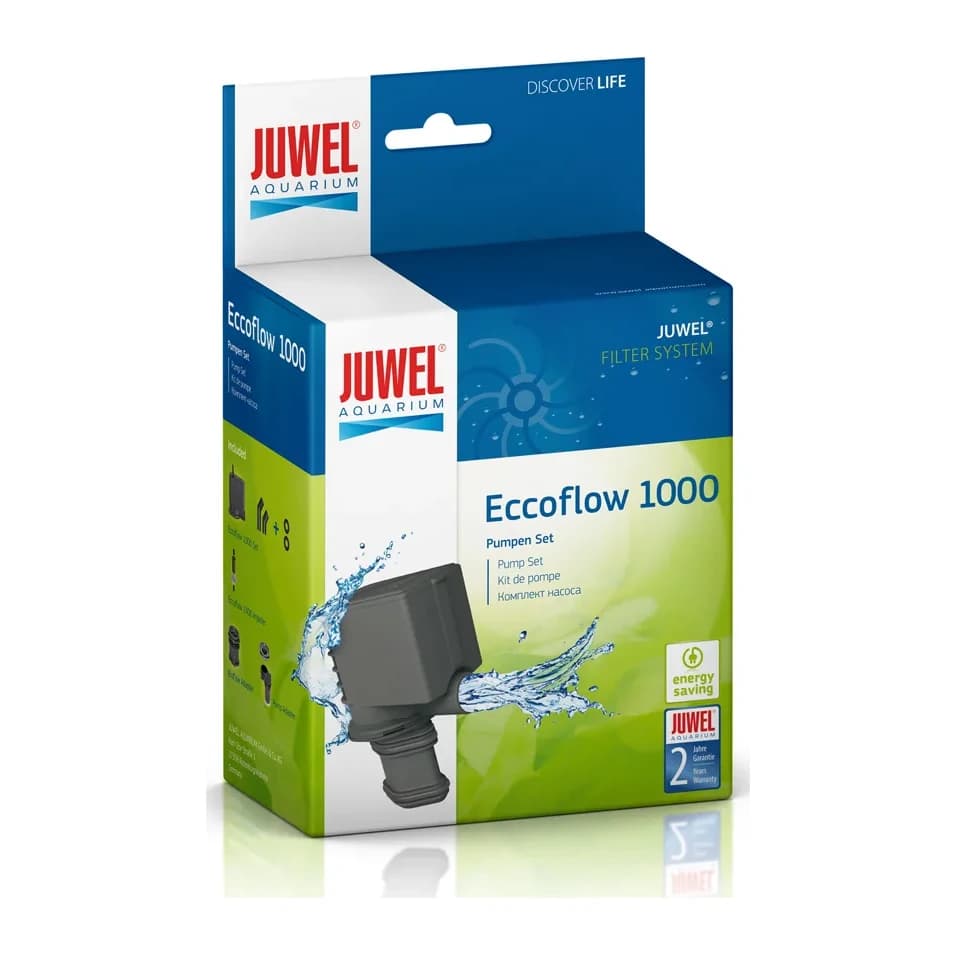
Aquarium pumps: circulation and flow pumps, all-purpose water pumps, a pump head and intake guard.
Advice and care
How to choose an aquarium pump
What matters is whether the pump moves water in the tank or drives another device.
Output and head
The higher you pump, the lower the real output.
Even flow
A circulation pump prevents still corners where algae start.
Intake guard
An intake guard keeps shrimp and fry out of the pump.
Popular brands
All brandsFrequently asked questions
How strong a flow does a planted tank need?
Enough to move the surface and carry nutrients everywhere, but not so much that plants bend all the time. The fish's behaviour shows if it is too strong.
How often should a pump be cleaned?
Clean the impeller and intake every couple of months, or when the flow drops.
Read more
Aquarium water needs to move. Even flow carries oxygen, heat and nutrients into every corner, takes dirt to the filter and prevents dead spots where algae quickly take hold. In a large or densely planted tank the filter alone may not manage this.
A circulation pump works inside the tank purely to move water. An all-purpose water pump drives extra equipment such as a steriliser, or helps with water changes. Check both the flow rate (l/h) and the head height on the product page: the higher the lift, the lower the flow. An intake guard keeps small inhabitants out of the pump.
A common mistake is flow so strong that fish fight it constantly and plants bend over. Aim the flow along the glass or the water surface and watch how the fish behave. Clean the impeller and intake regularly, because settled dirt reduces output without you noticing.