
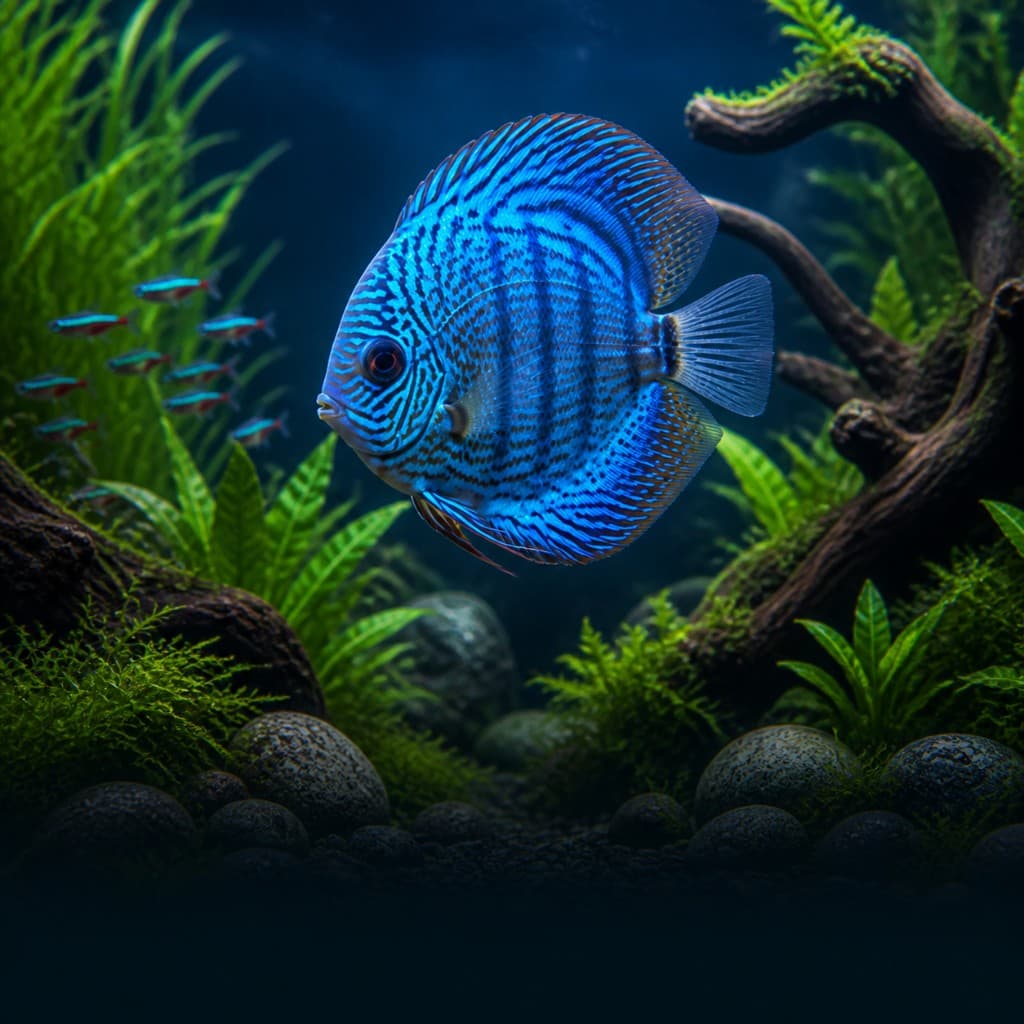

Air Pumps
Aquarium air pumps: quiet membrane and piezo pumps, single and twin outlet models, air stones and diffusers.
Advice and care
How to choose an aquarium air pump
The right pump is strong enough for your tank's depth and quiet enough for the room.
Output
Check the output (l/h) and how deep the pump can push air.
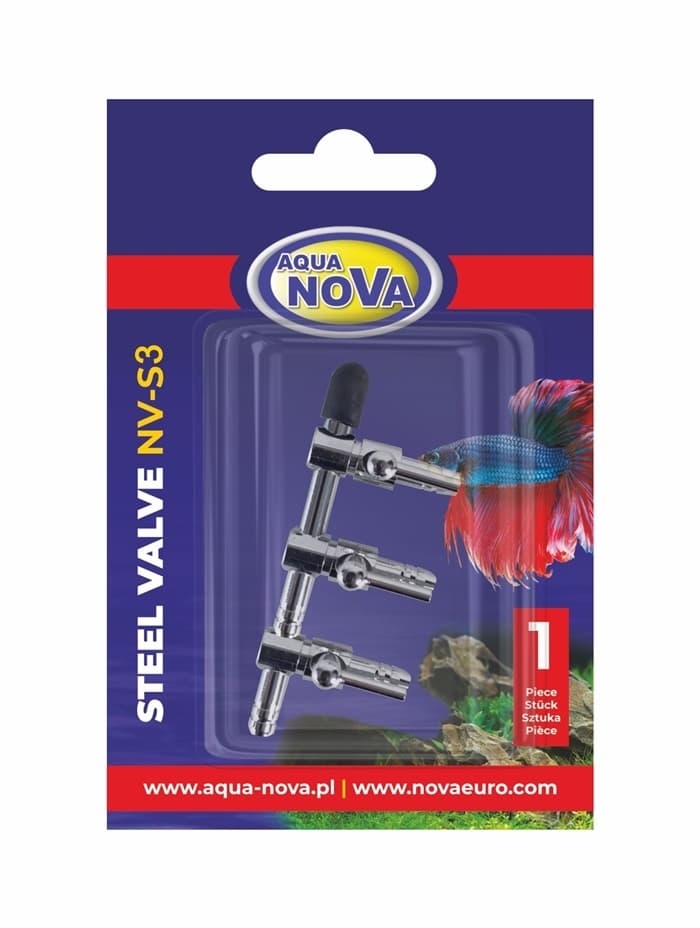
Outlets
A twin-outlet pump can run an air stone and a sponge filter at once.
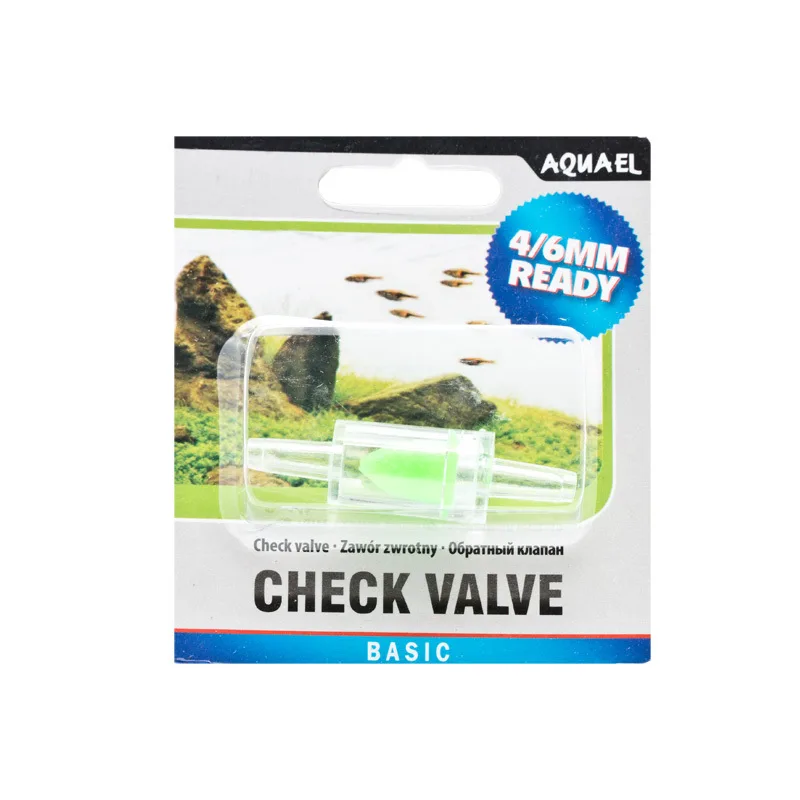
Check valve
A check valve stops water running back down the hose into the pump.
Popular brands
All brandsFrequently asked questions
Does a tank need an air pump if it has a filter?
Not always, as the filter also moves the surface. An air pump helps in warm water, a crowded tank and during treatment.
Why is my air pump noisy?
Often the vibration carries into the surface below: put the pump on a soft pad and keep the hose off the glass. On some models a worn membrane can be replaced.
Read more
Fish take oxygen from the water, which takes it mainly from the surface. An air pump pushes air through an air stone, and rising bubbles move the surface, speeding up gas exchange. The bubbles themselves add little oxygen: the moving surface is what counts.
Extra oxygen matters most in warm water, in a densely stocked tank and while fish are being treated. An air pump also drives a sponge filter, the simplest safe filter for shrimp and fry tanks. Membrane pumps deliver more air, while piezo pumps usually have a lower output but are very quiet.
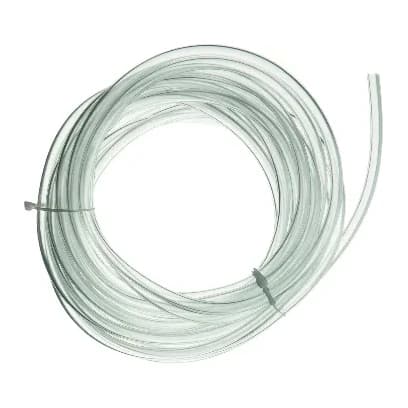
A common mistake is setting the pump on the floor without a check valve: water siphoning back down the hose can ruin it. Place the pump above the water level or fit a valve. In a planted tank with CO2, aerate at night, as daytime bubbling drives the added CO2 out.
Related guides
All guides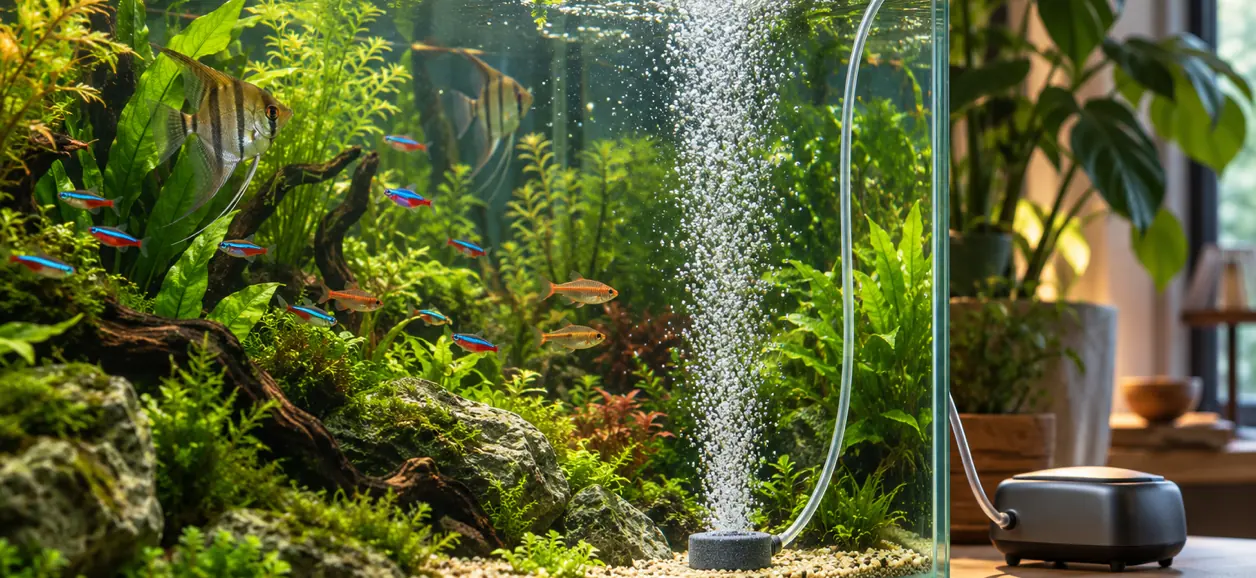 Air pump
5 min read5 sections
Aquarium air pump: do you need one, how to choose
What an aquarium air pump is for, how to choose its output by tank volume, why you need a check valve, and which air stones and airline tubing to use.
Read the guide Filter
7 min read6 sections
Aquarium filter: how to choose and maintain it
Internal, external, hang-on or sponge filter? How to size a filter to your tank, stack the media in the right order and clean it without losing the bacteria.
Read the guide