
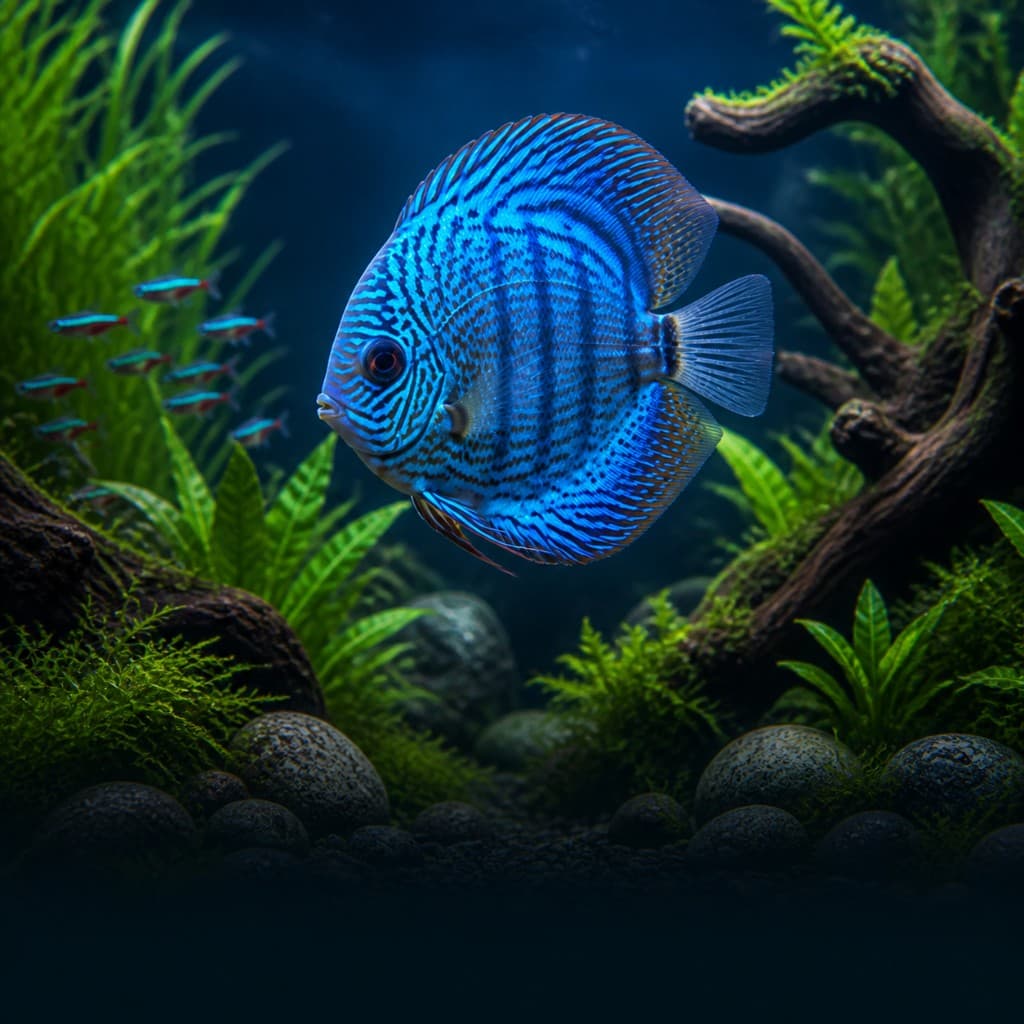

Sand and Gravel
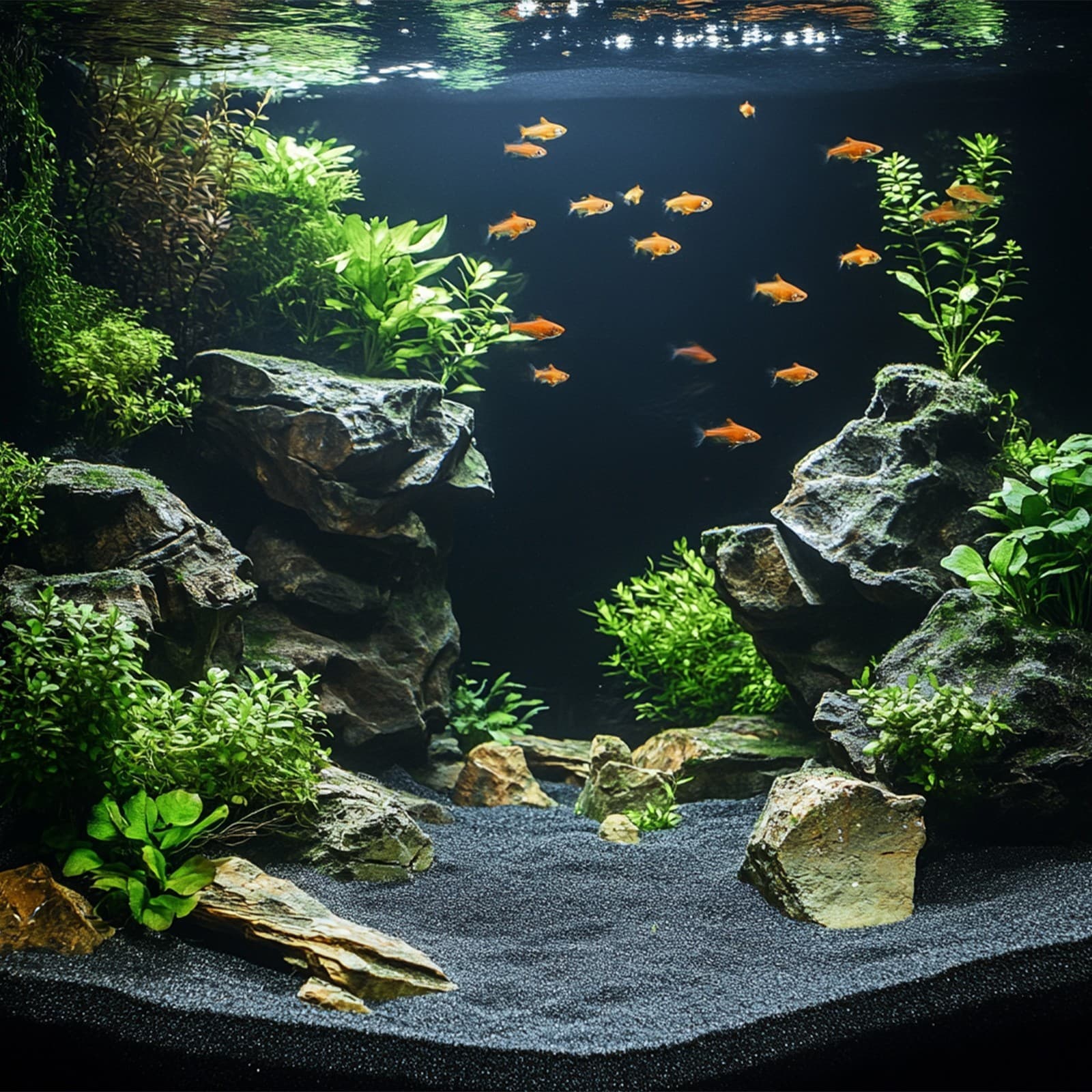
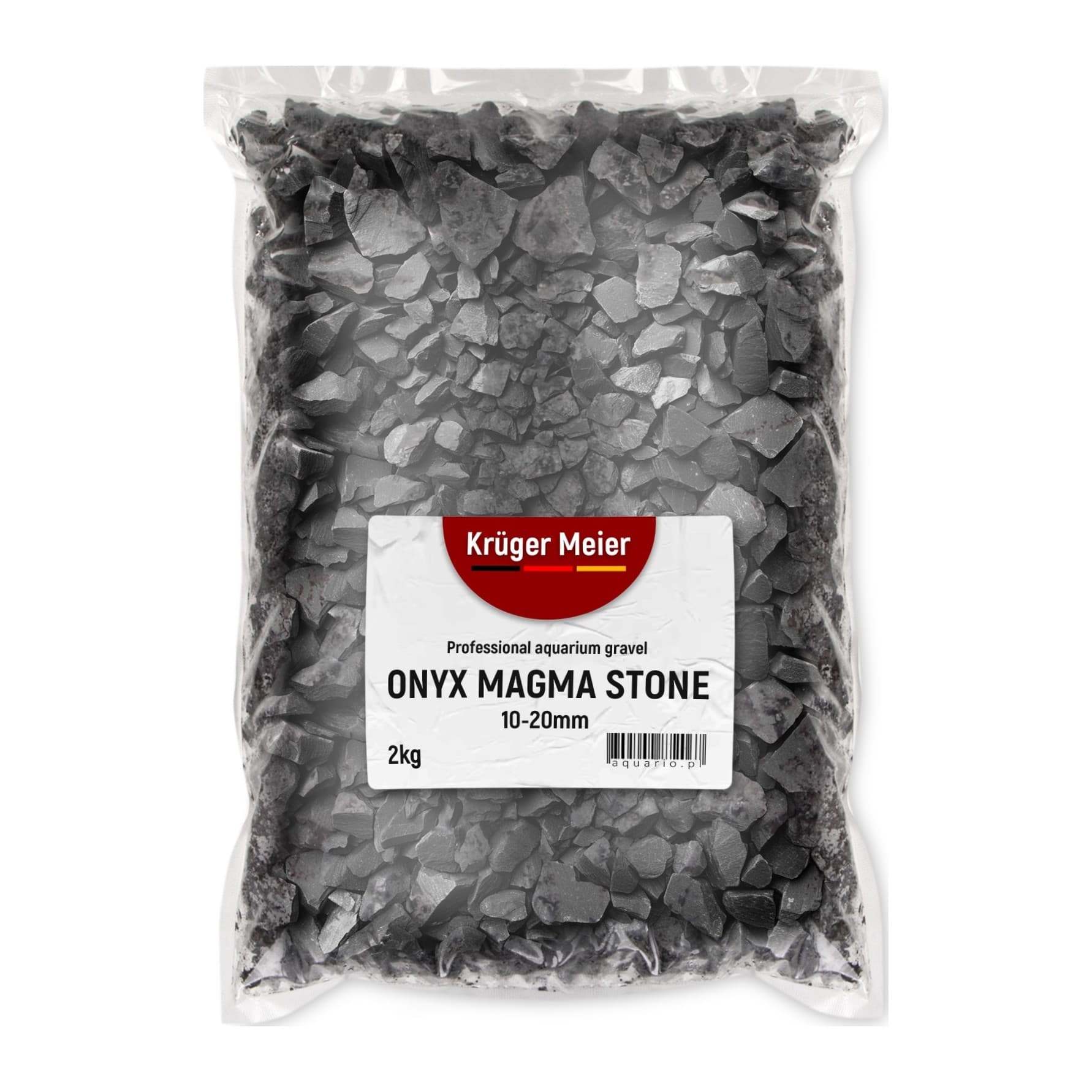
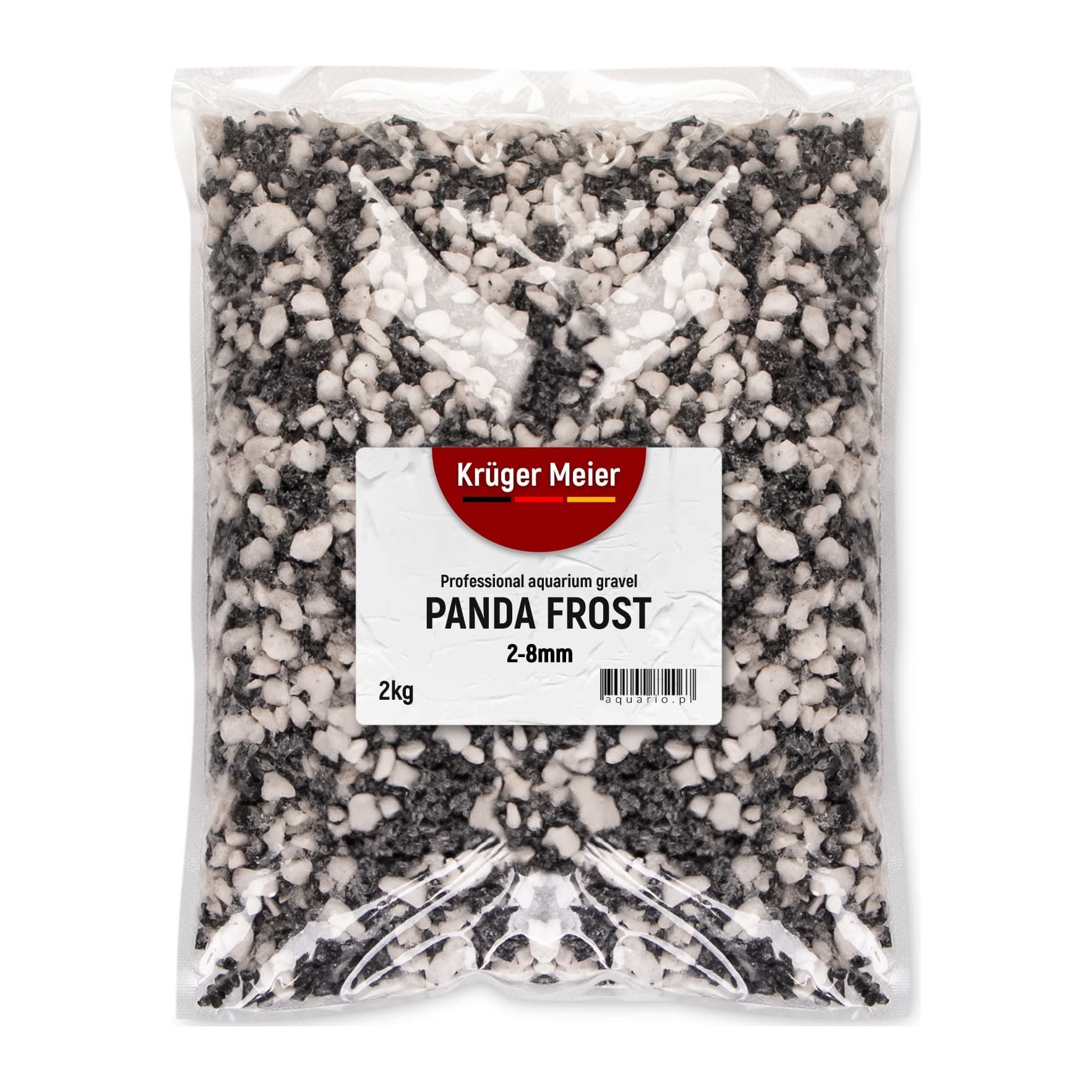
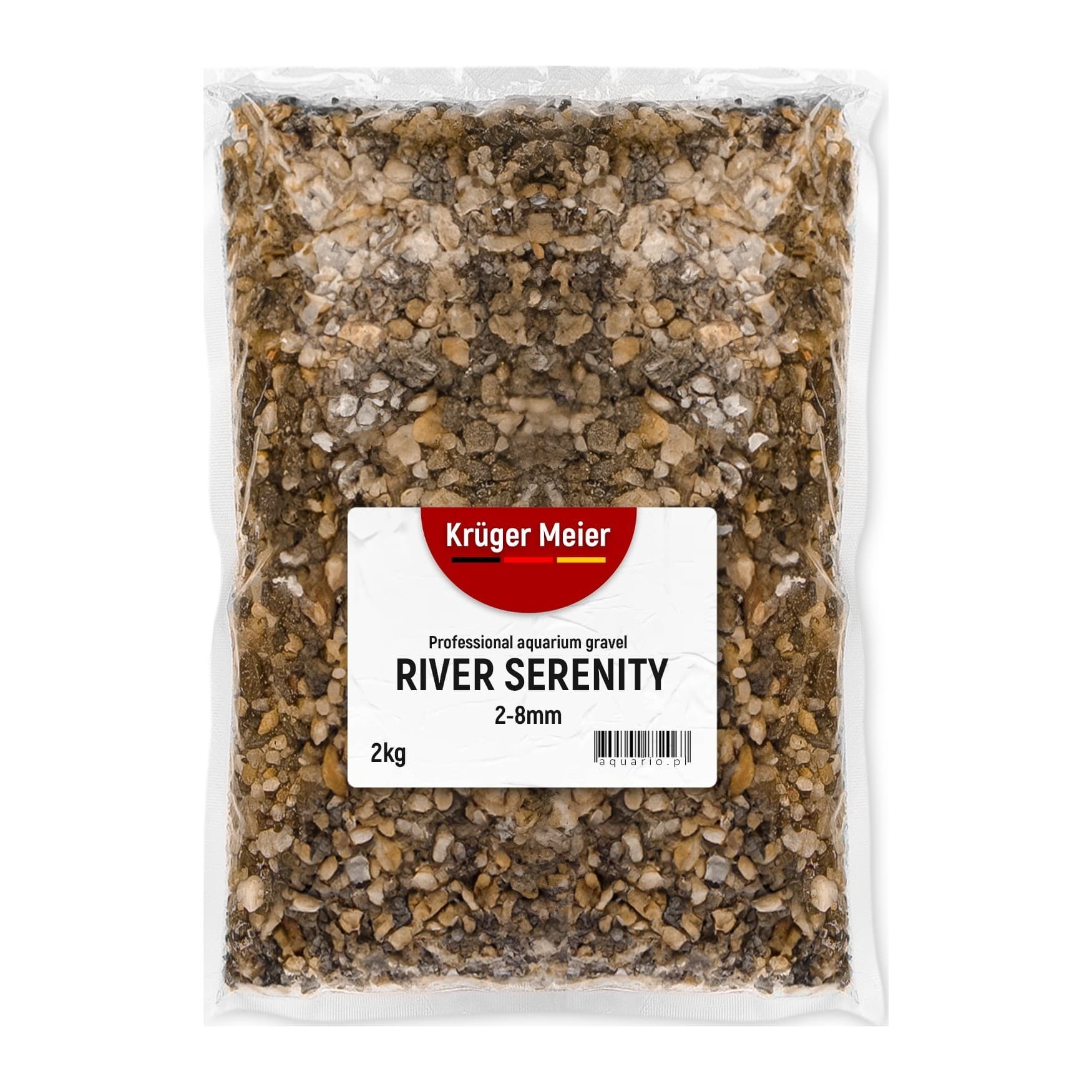
Aquarium sand and gravel: quartz, basalt, dolomite and lava gravel and coloured sand in different grain sizes.
How to choose?
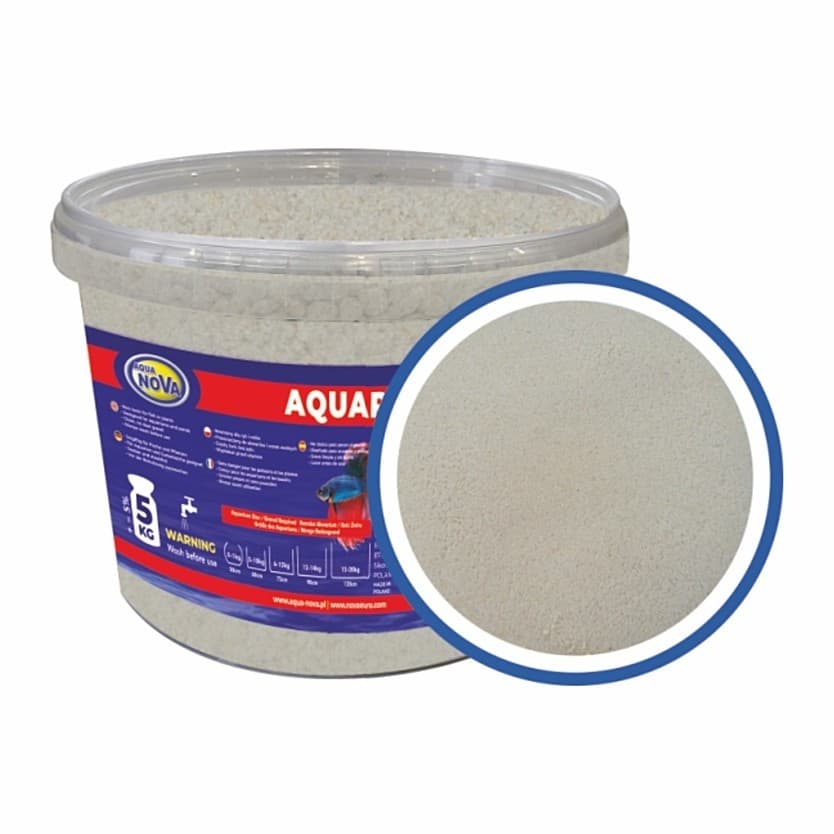
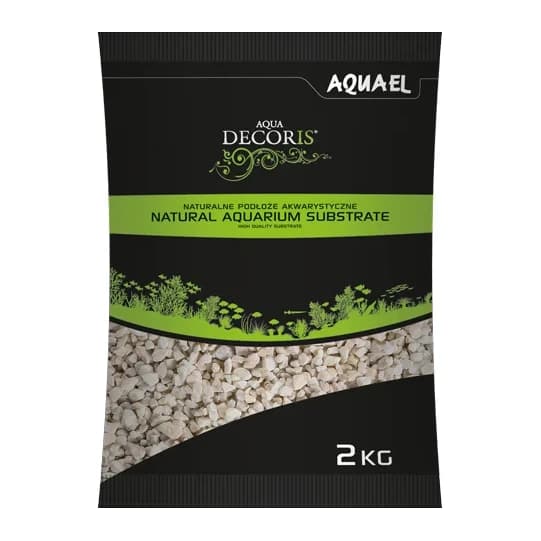
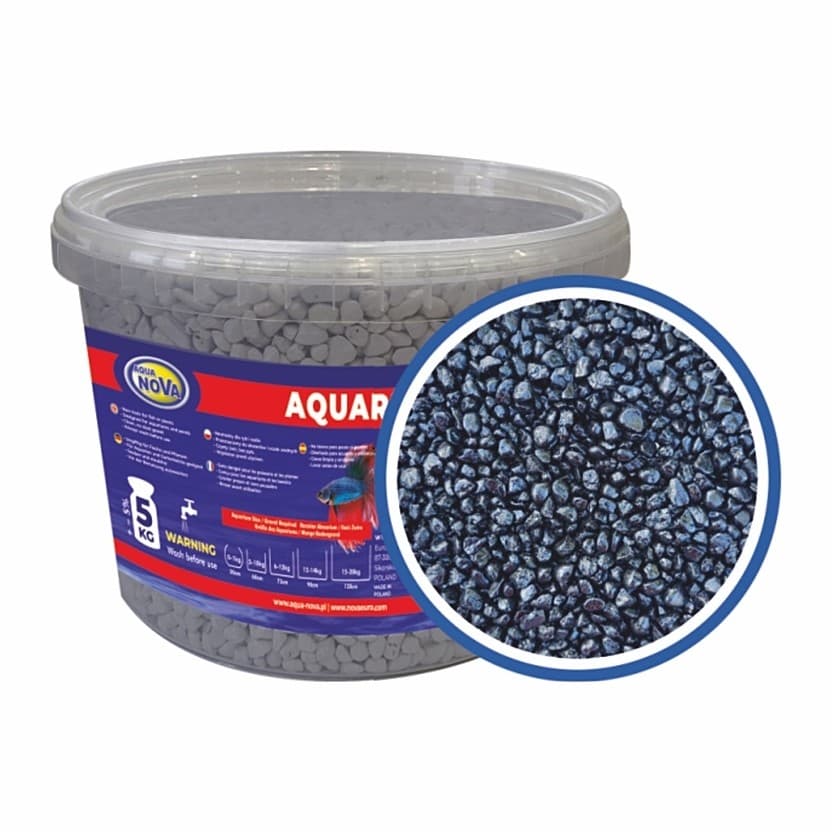
€9.99
Unit price: €2.00 / kg
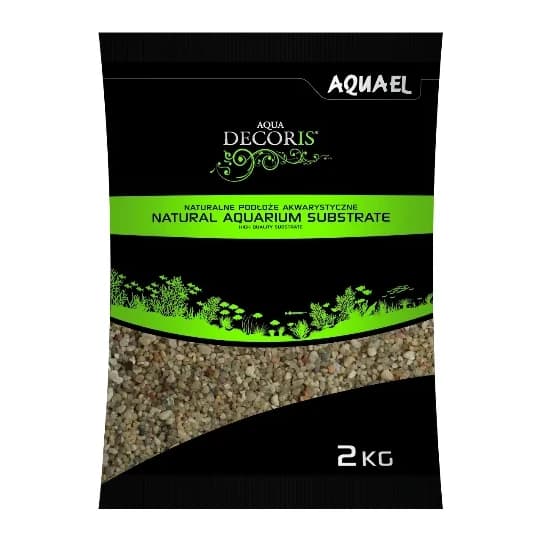
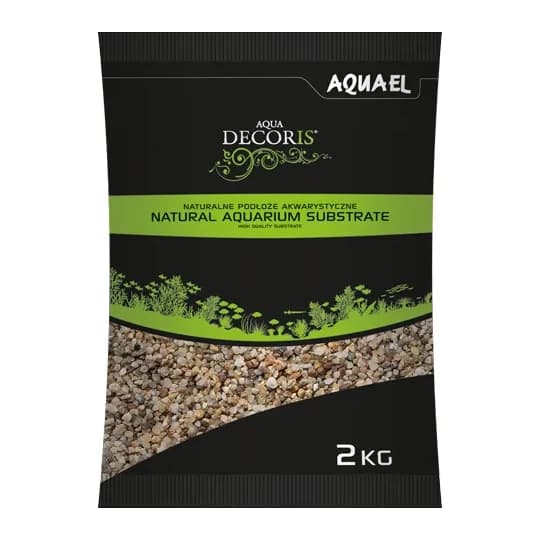
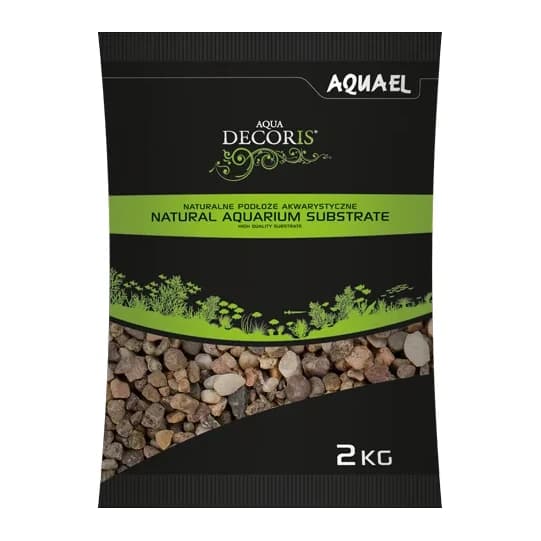
€3.99
Unit price: €2.00 / kg
€4.99
Unit price: €2.50 / kg
€4.99
Unit price: €2.50 / kg
€3.99
Unit price: €2.00 / kg
€4.99
Unit price: €2.50 / kg
€4.99
Unit price: €2.50 / kg
€3.99
Unit price: €2.00 / kg
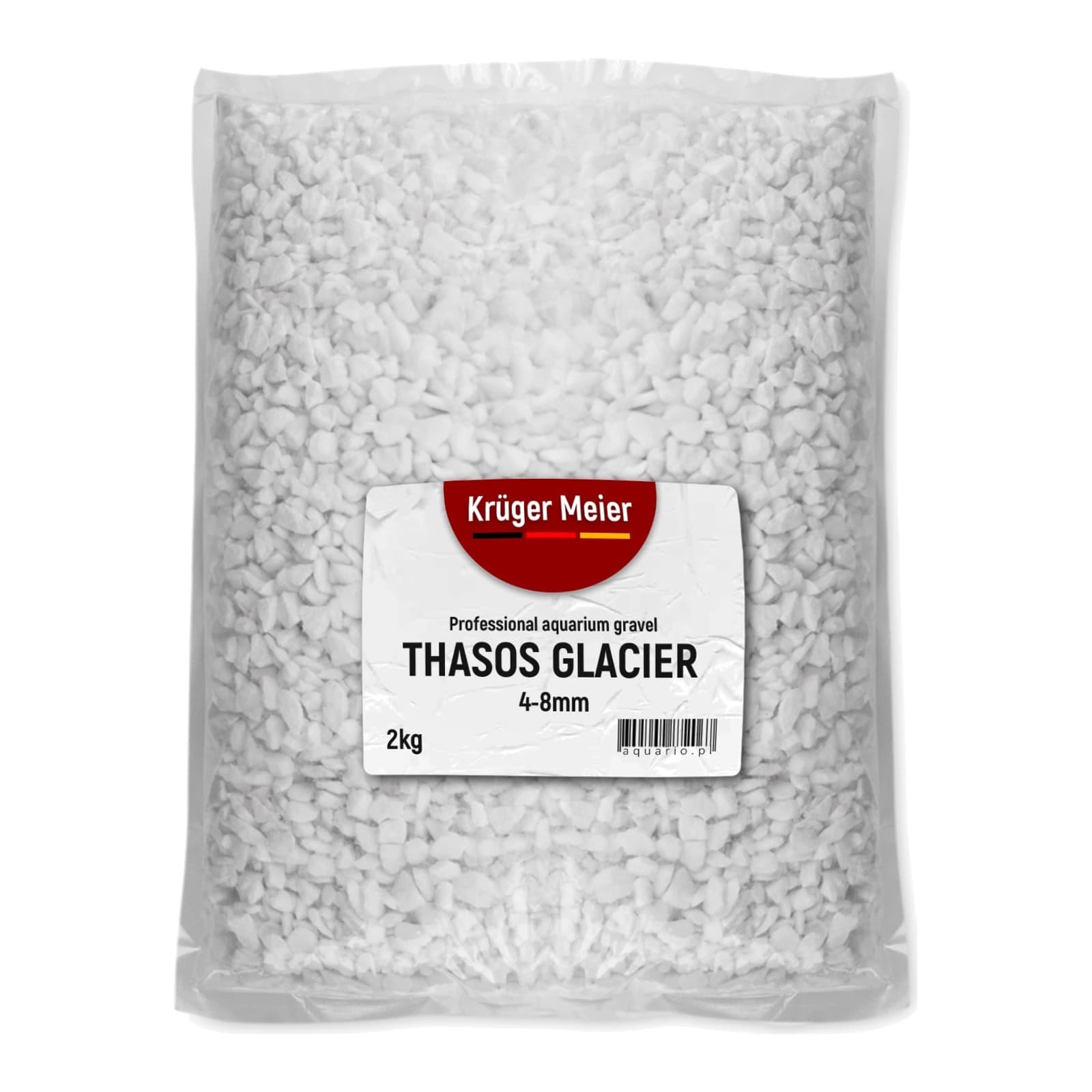
€4.99
Unit price: €2.50 / kg
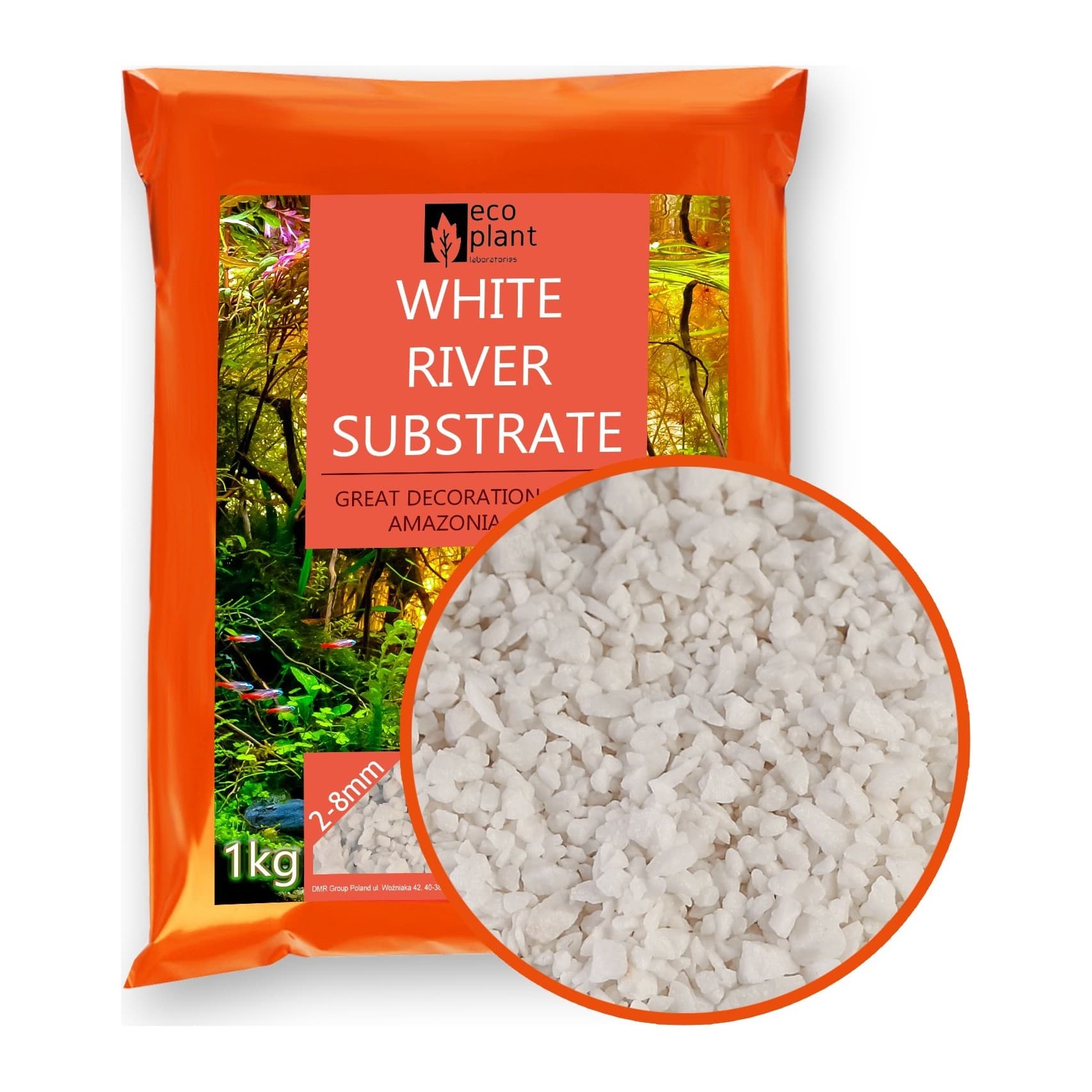
Advice and care
How to choose aquarium sand and gravel
Grain size, colour and effect on hardness are the three things to weigh before buying.
Fine sand
Fine sand suits fish that dig in the bottom looking for food.
Hardness
Dolomite raises water hardness; quartz and basalt leave it unchanged.
For plants
In a planted tank, lay a nutrient base layer under the sand or gravel.
Popular brands
All brandsFrequently asked questions
How much gravel do I need?
A litre of gravel weighs about 1.5 kg: multiply the tank's length, width and the layer depth. In a fish-only tank a couple of centimetres is enough.
Is coloured gravel safe for fish?
Gravel made for aquariums, resin-coated too, does not affect the water. Rinse it before use.
Read more
Sand and gravel form the visible bottom of the aquarium, and the bacteria that break down waste live on their grains. Unlike nutrient soil, most of them neither feed plants nor change the water, so they last for years and only need regular cleaning.
Dirt on the surface of fine sand is easy to remove with a siphon, but a layer that is too deep can compact and run short of oxygen. Coarser gravel lets water through, but food scraps sink between the grains. Dolomite gravel suits fish that prefer hard water; in a soft-water tank choose quartz or basalt.
A dark bottom brings out fish colours, while a light one reflects light and brightens the tank. Rinse gravel before use until the water runs clear. For plants, add a nutrient base layer underneath, because sand and gravel alone do not feed them.