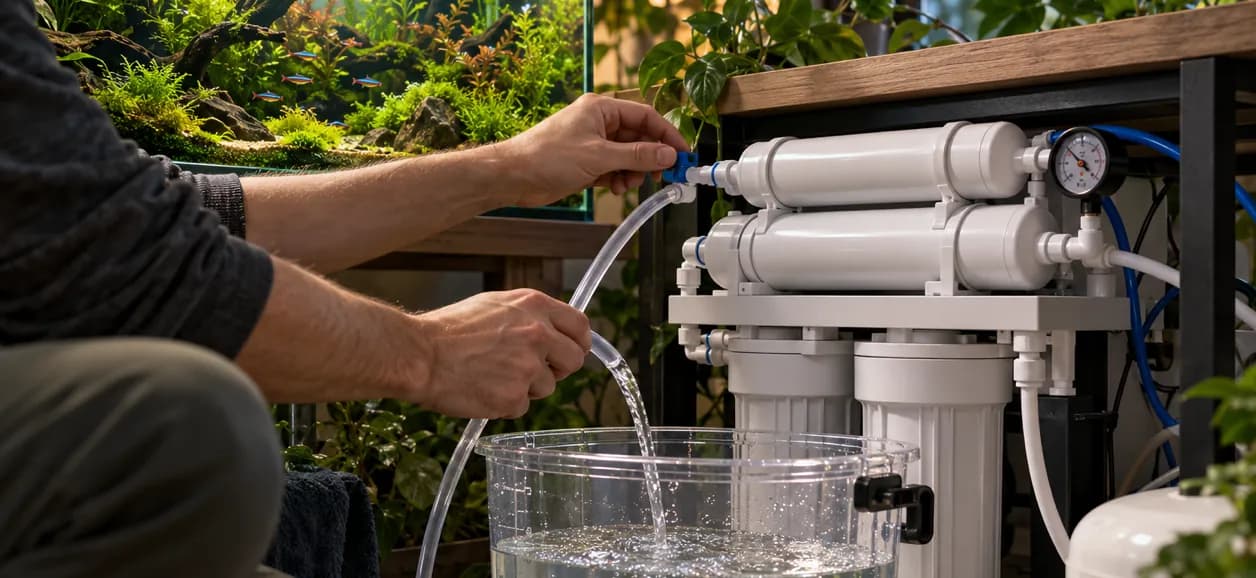

Reverse Osmosis
Reverse osmosis units, membranes, pre-filters, resin filters, a TDS meter and DI resins: pure water for shrimp, plants and reefs.
Advice and care
How to choose a reverse osmosis system
Size the system by how much pure water you need each week.
Output
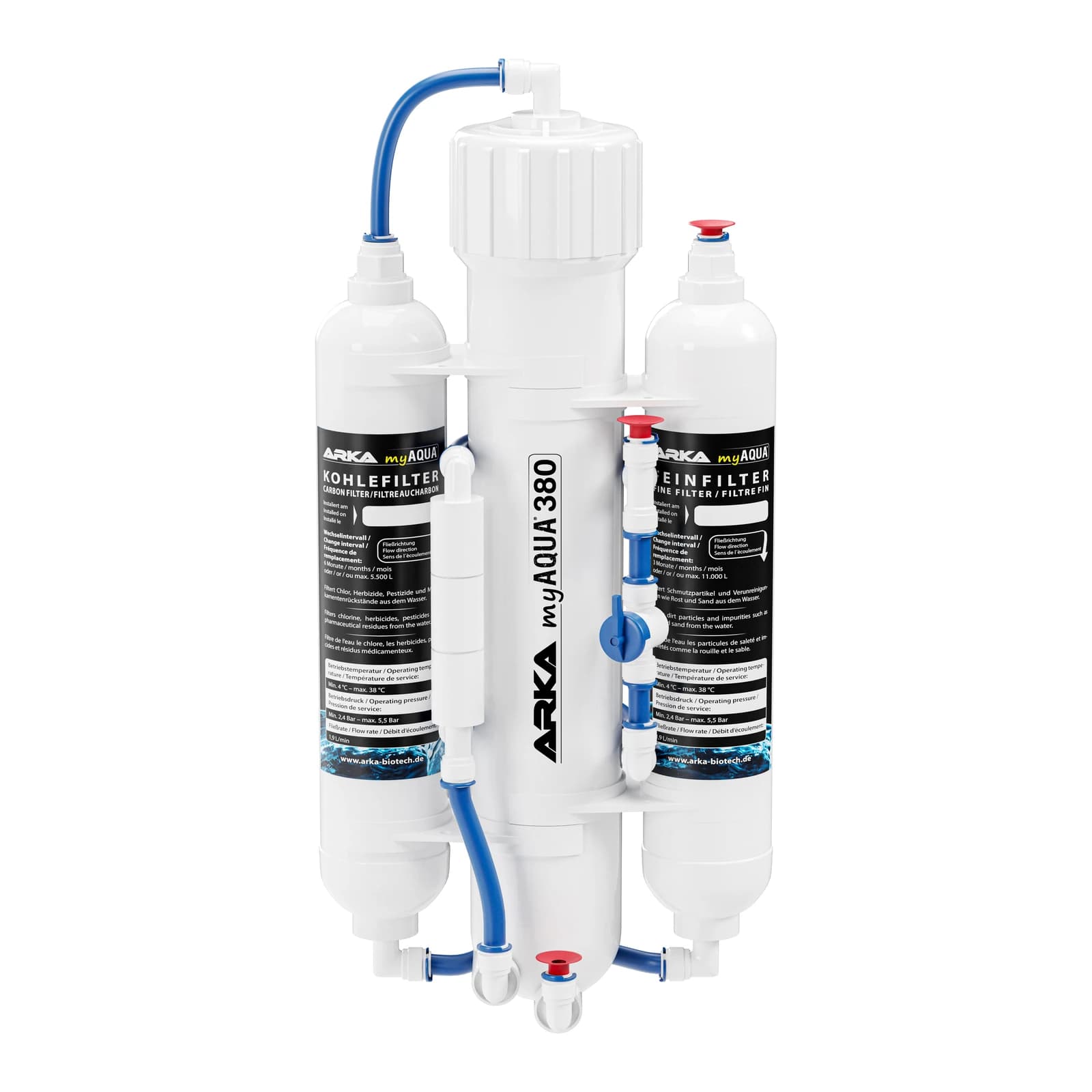
A small unit suits a nano tank, a larger one marine water and big water changes.
Pre-filters
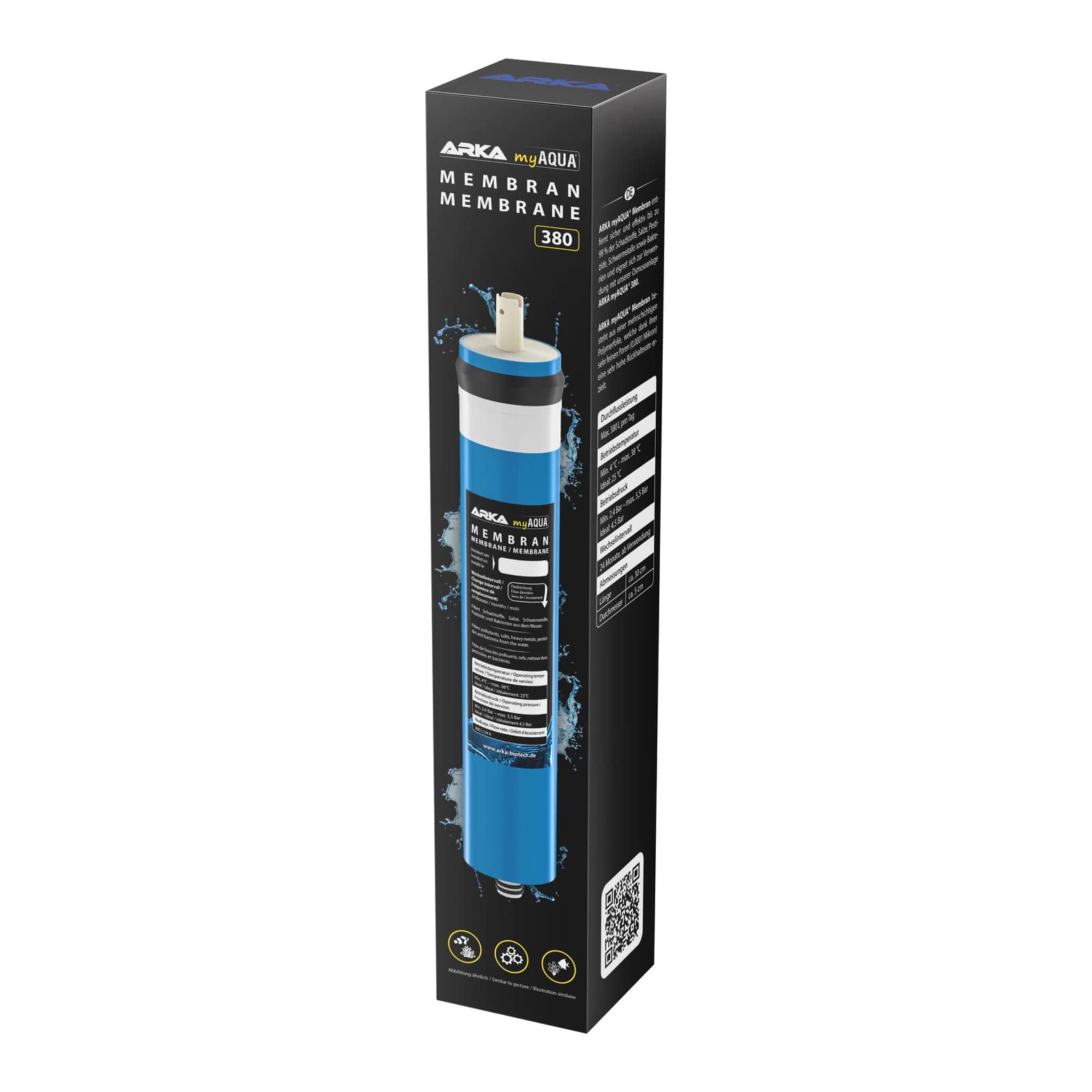
Replace carbon and sediment filters on schedule so the membrane lasts.
TDS meter
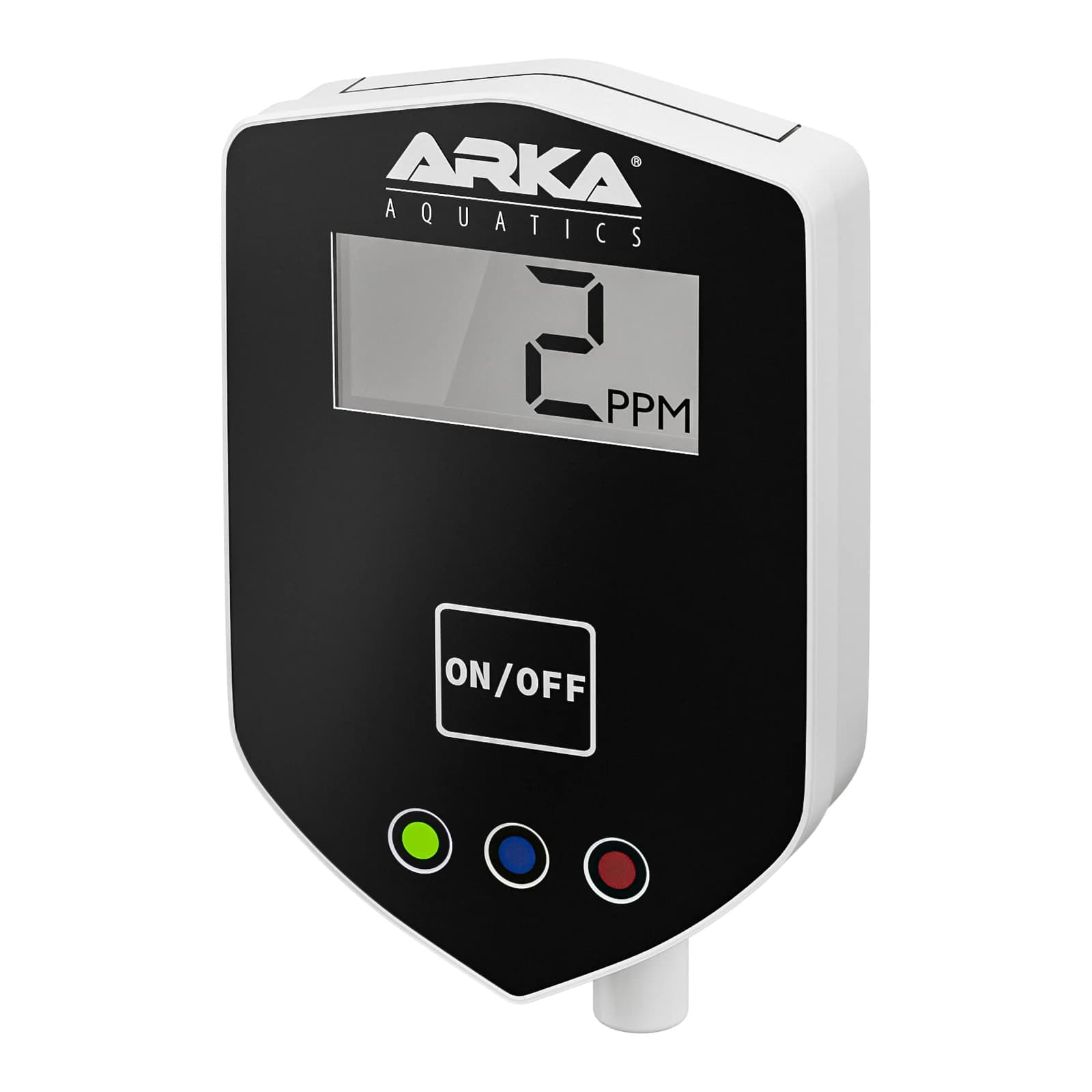
A TDS meter shows water purity and when to change the resin.
Popular brands
All brandsFrequently asked questions
Can RO water be used on its own?
No, it is too pure: add a remineraliser or sea salt before use. Otherwise the water lacks the minerals fish and plants need.
What is DI resin for?
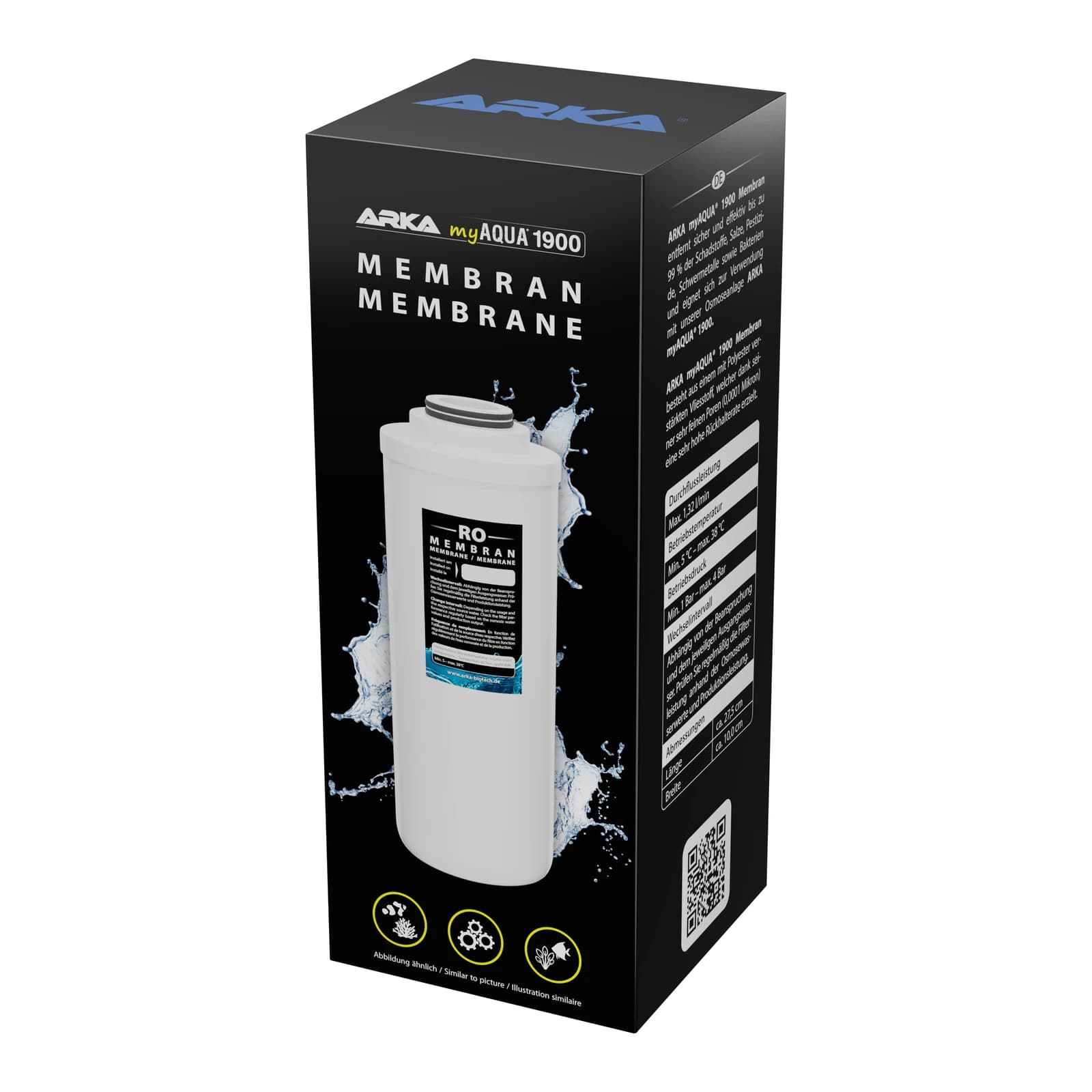
Resin removes the last dissolved substances after the membrane, which matters most in a marine tank. When TDS starts to rise, it is time to change it.
Read more
Tap water contains dissolved salts, nitrate, phosphate and silicate, which feed algae and do not suit shrimp that need soft water. Reverse osmosis forces water through a very fine membrane and removes most of these substances. This gives you the same starting water every time, to which you add exactly the minerals or sea salt you need.
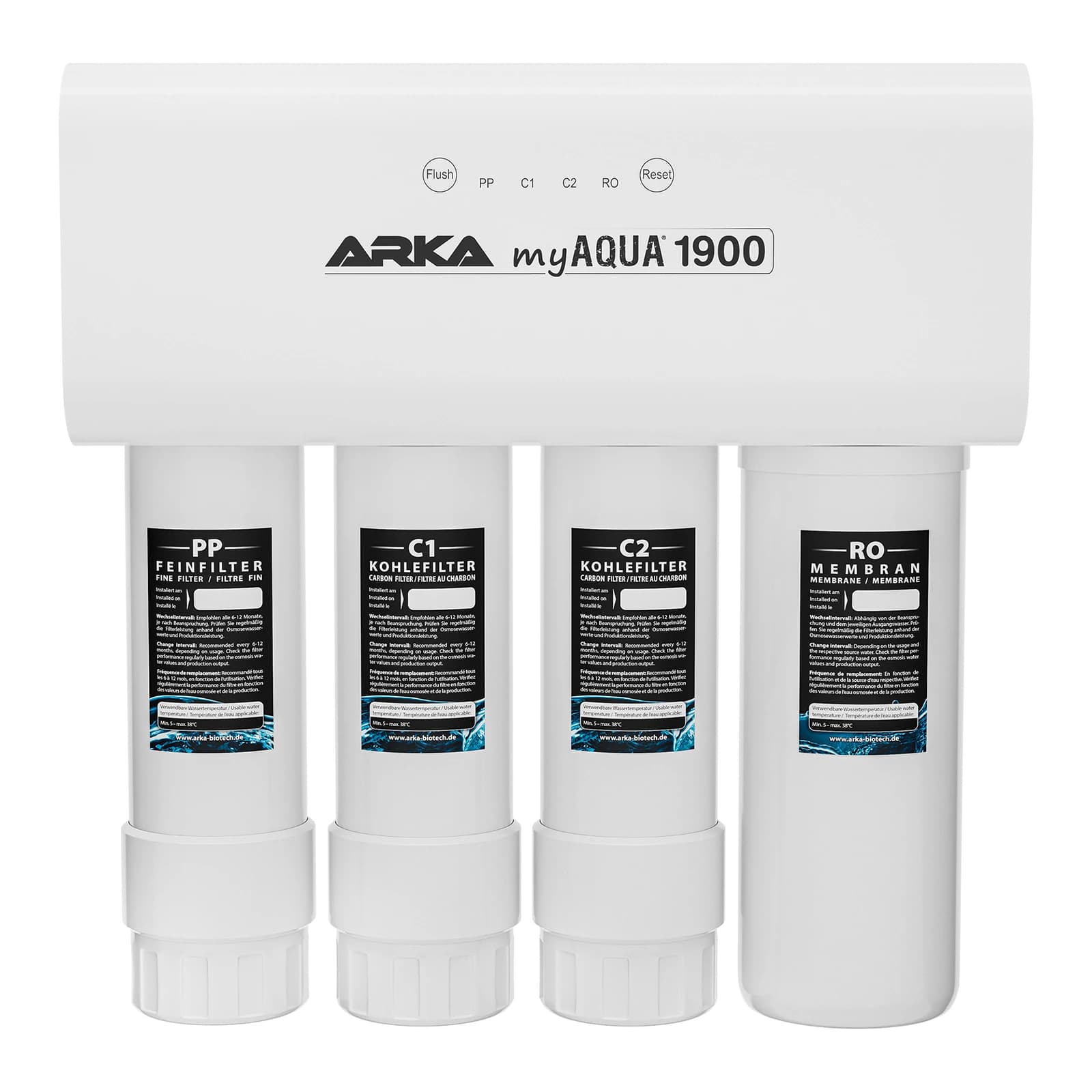
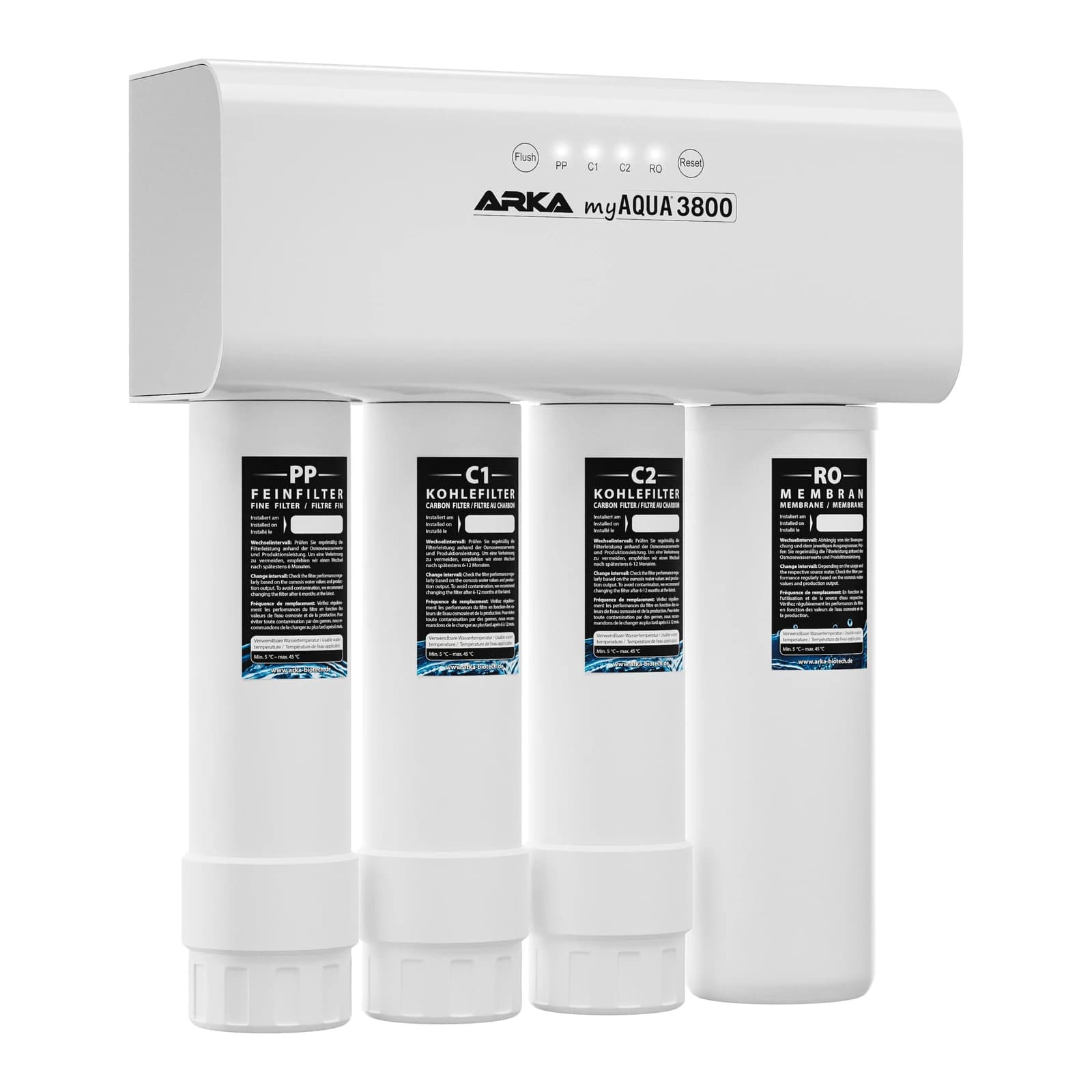
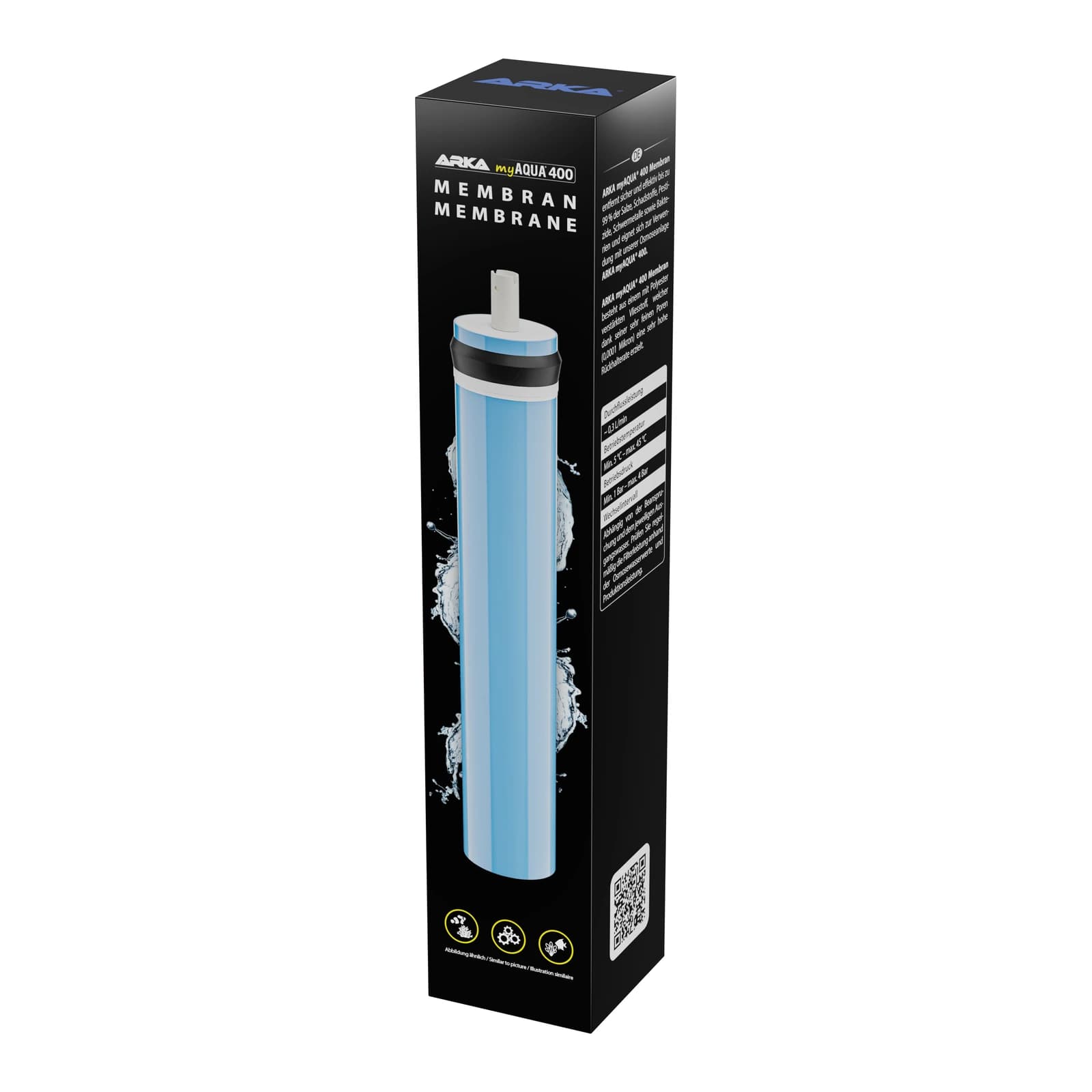
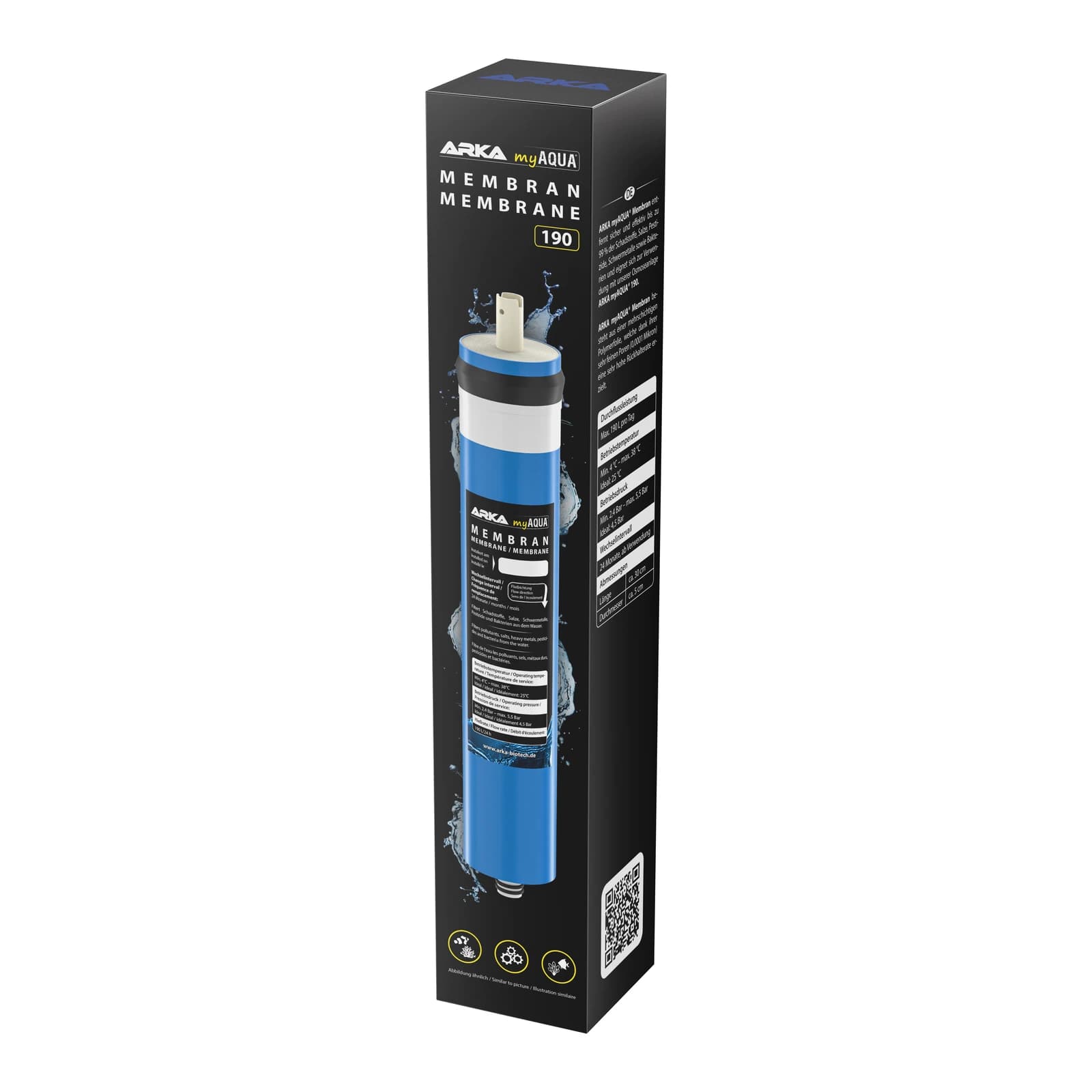
A system usually has several stages: carbon and sediment filters protect the membrane from chlorine and dirt, the membrane does the main work and a resin filter removes the last traces. An inline TDS meter shows how pure the water is and signals when the resin is exhausted.
A common mistake is using osmosis water in the tank on its own, without adding minerals, or forgetting to change the pre-filters, which shortens the membrane's life. Bear in mind too that part of the water goes down the drain to flush the membrane.