
Terrarium
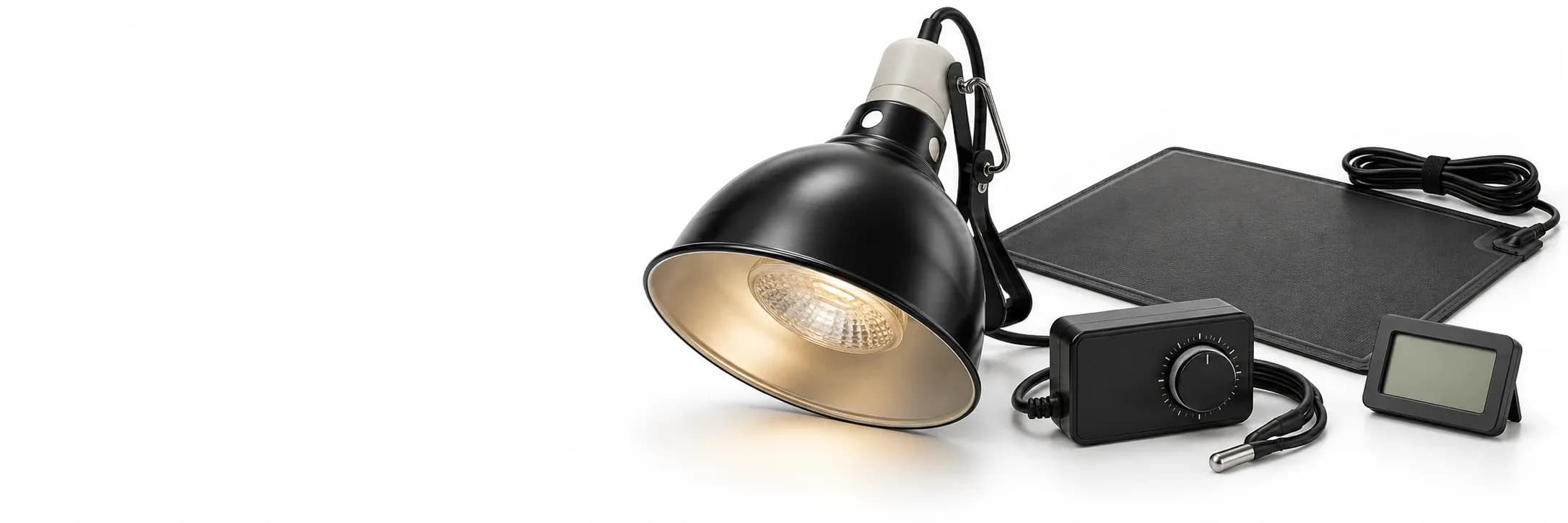
Everything for keeping reptiles and amphibians: terrariums, UVB and heat lamps, gauges, bowls and substrates.
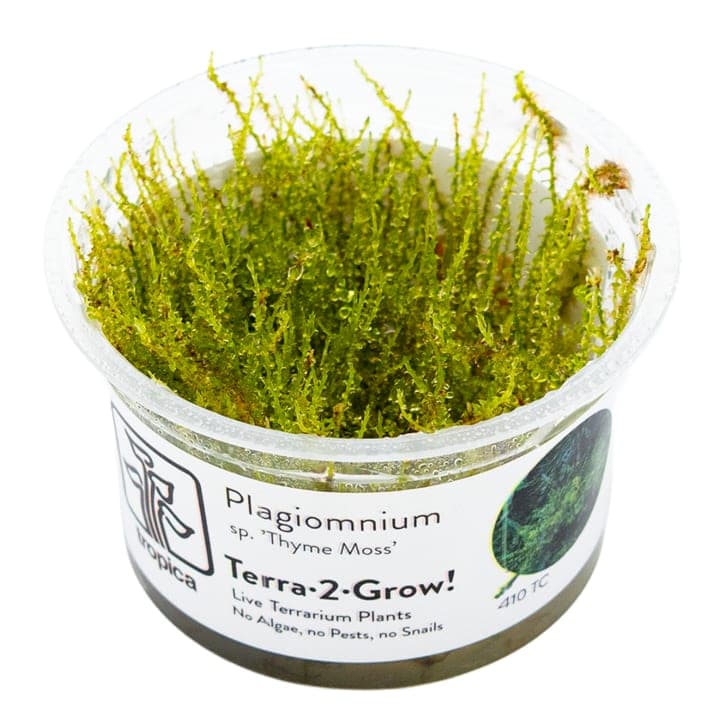
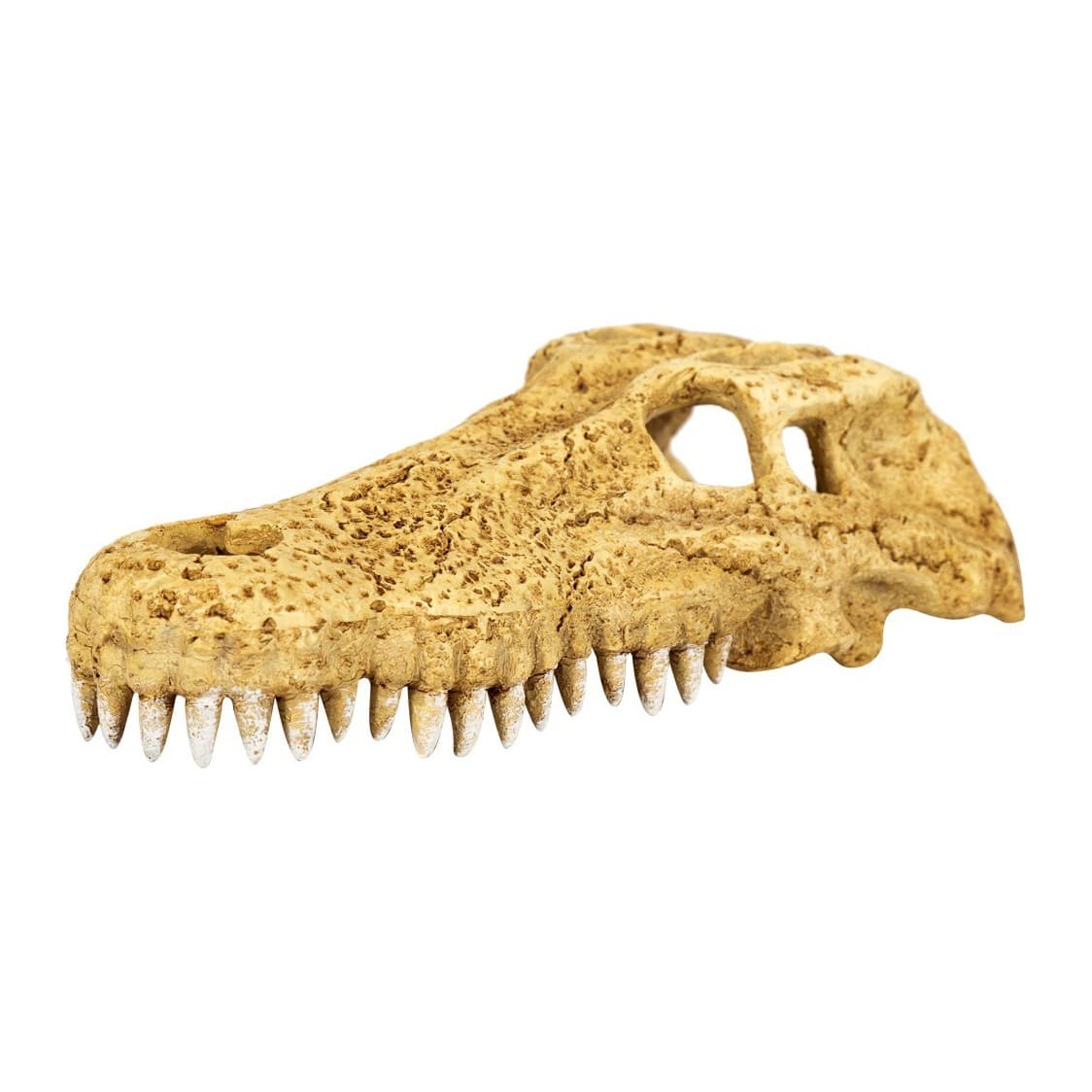
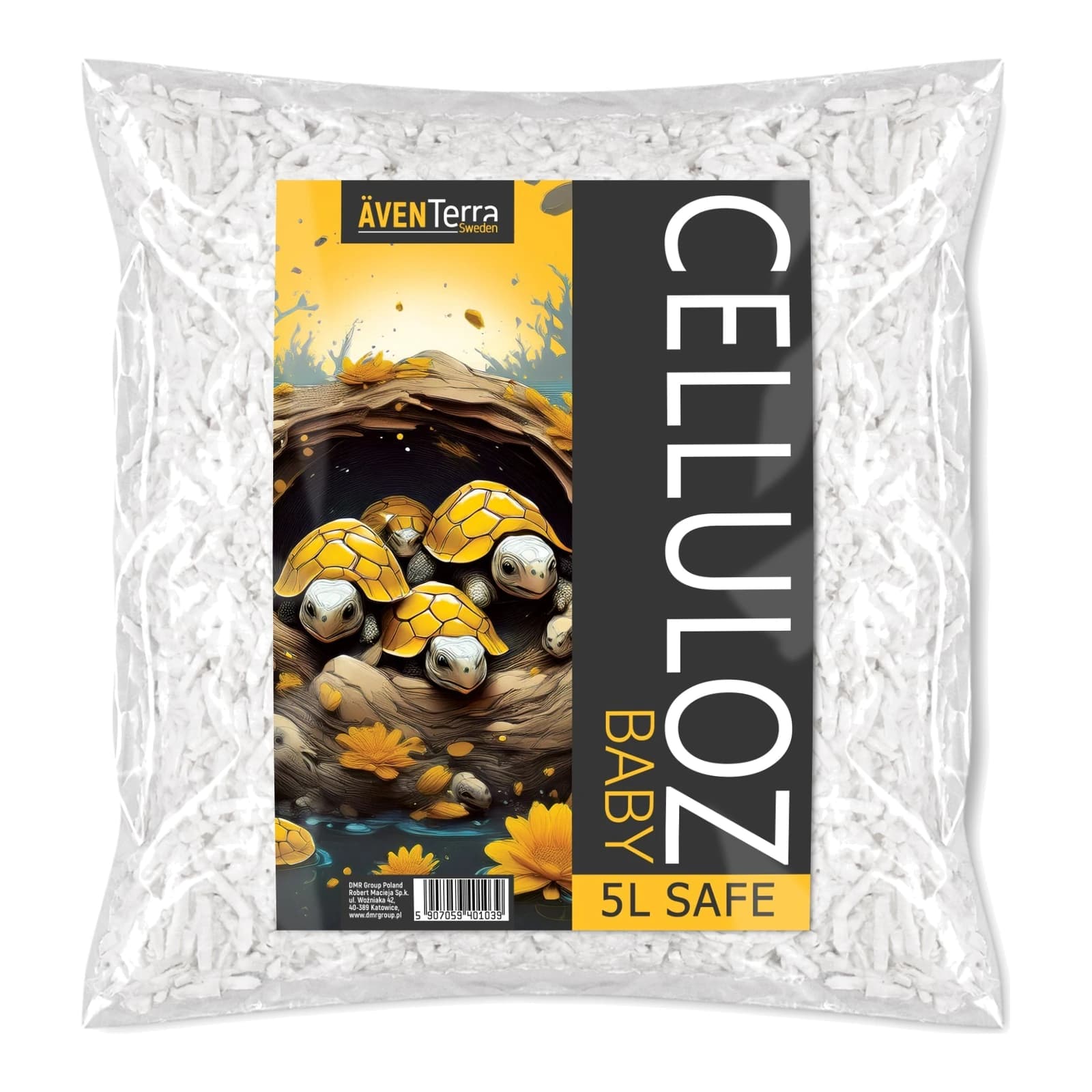
from€9.99
Unit price: €0.67 / l
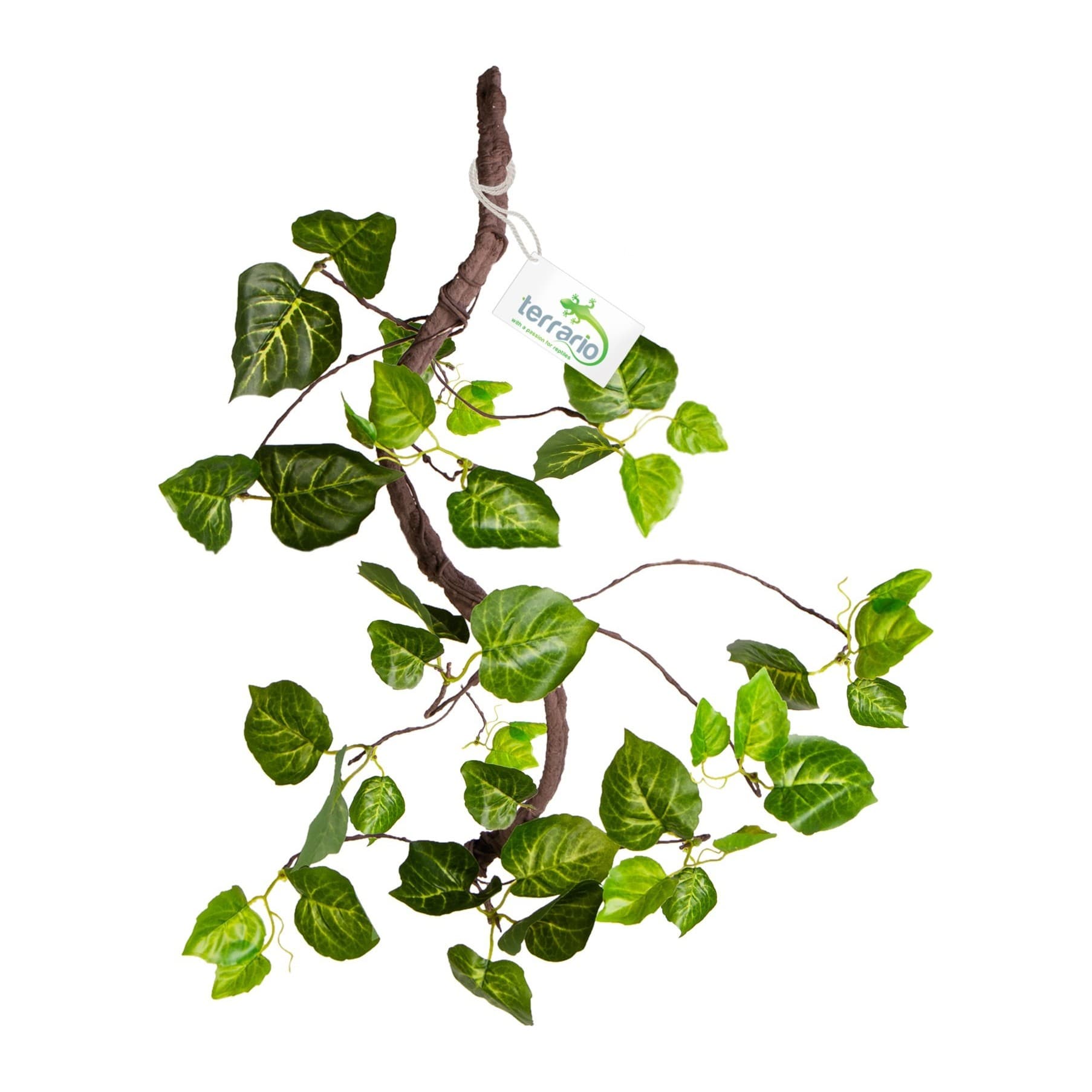
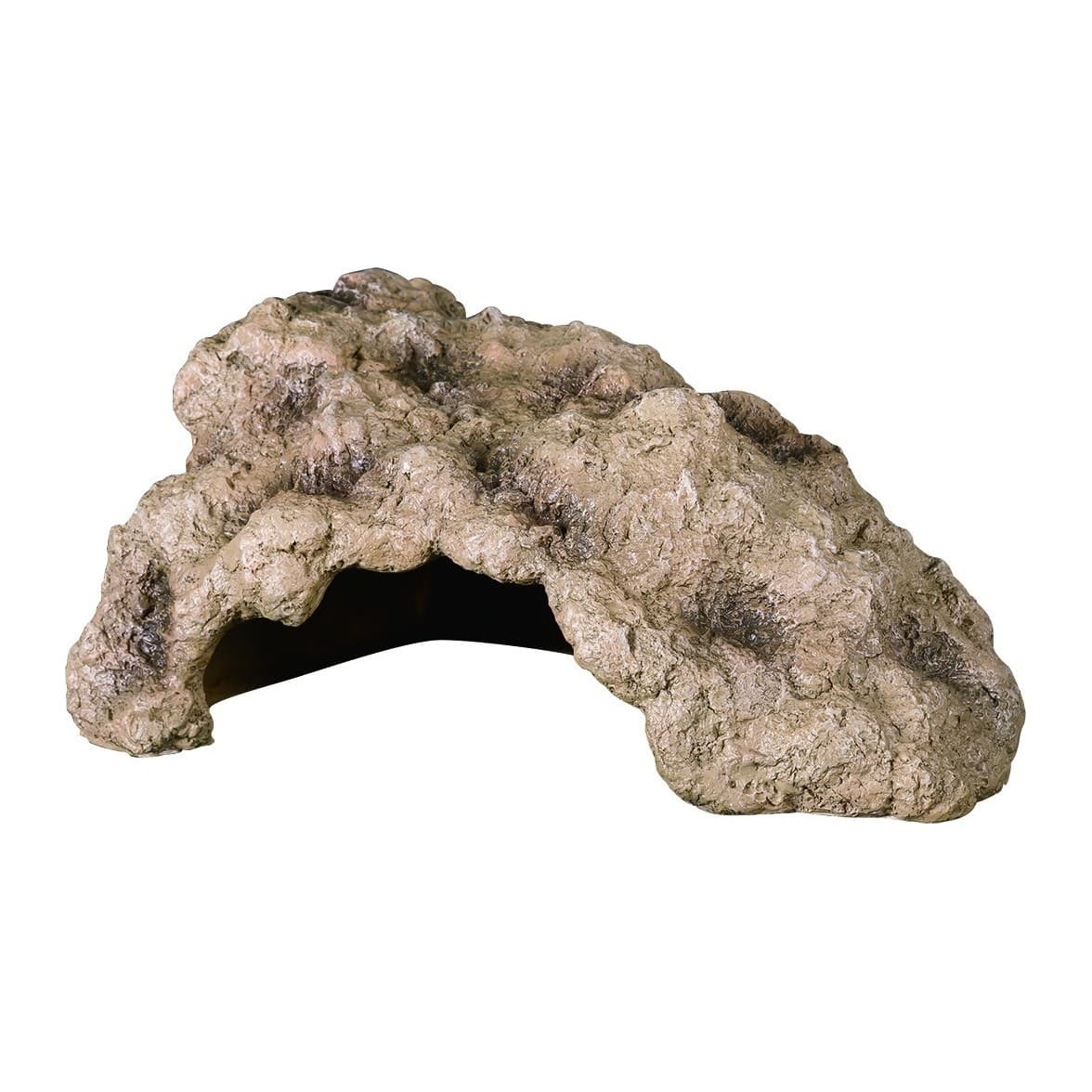
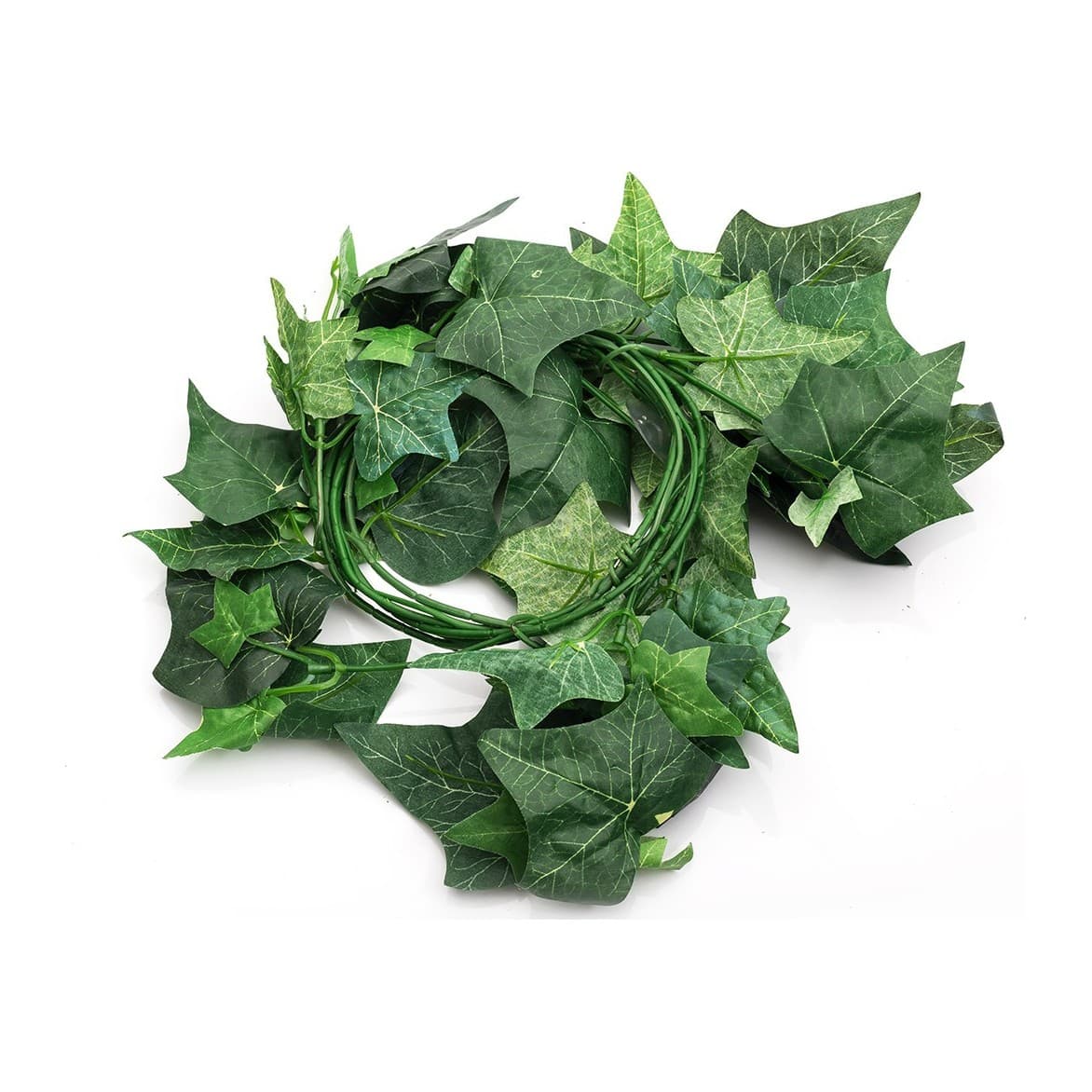

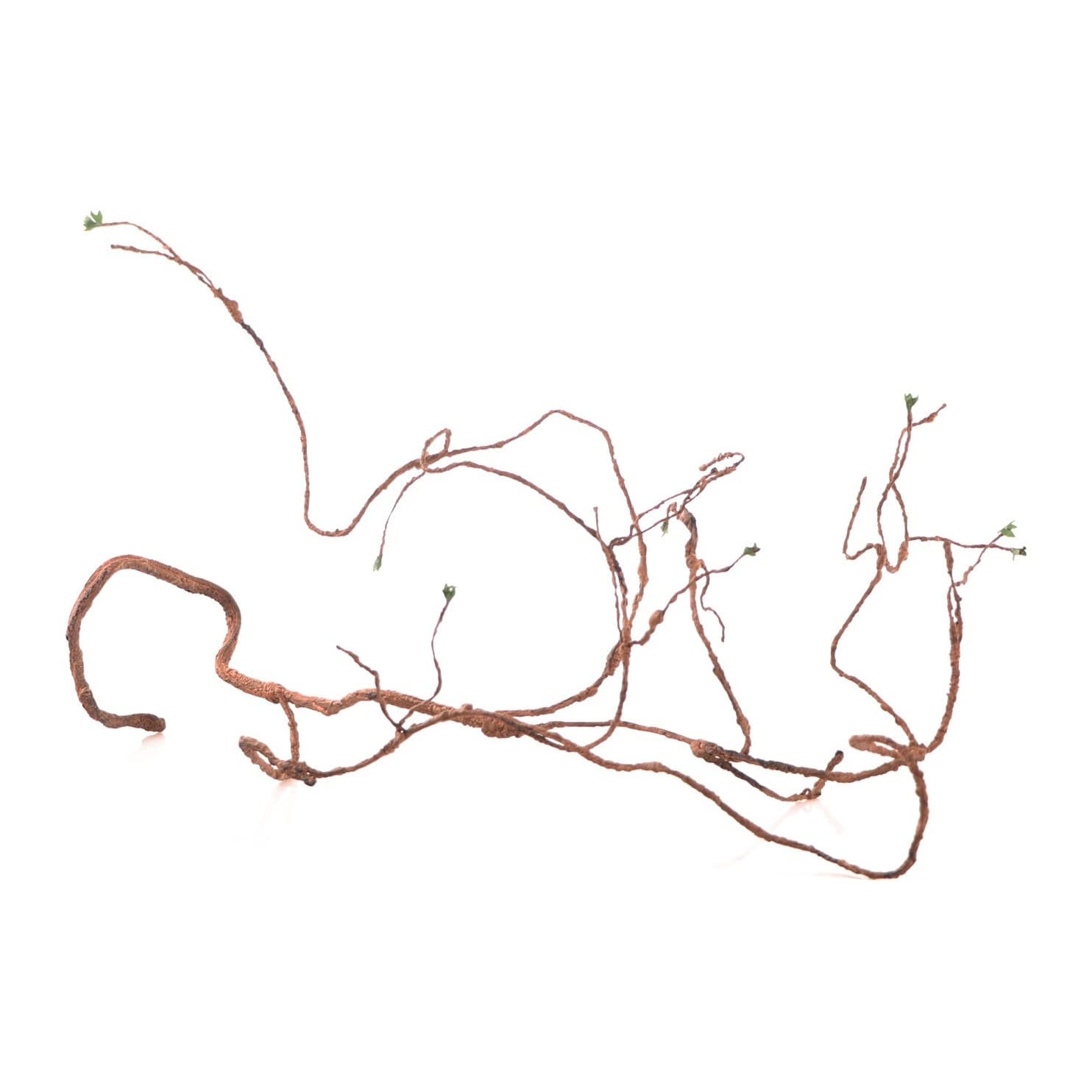
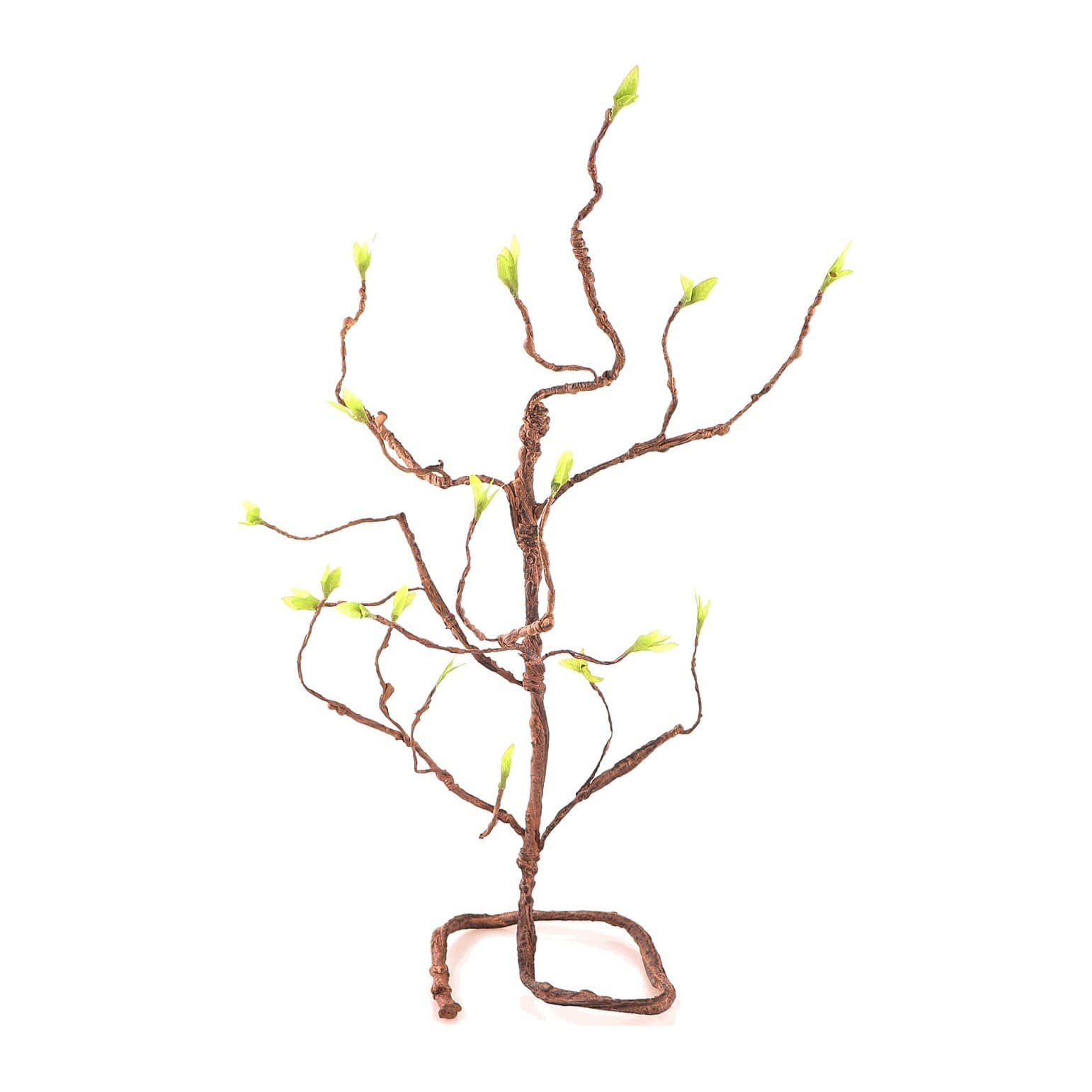
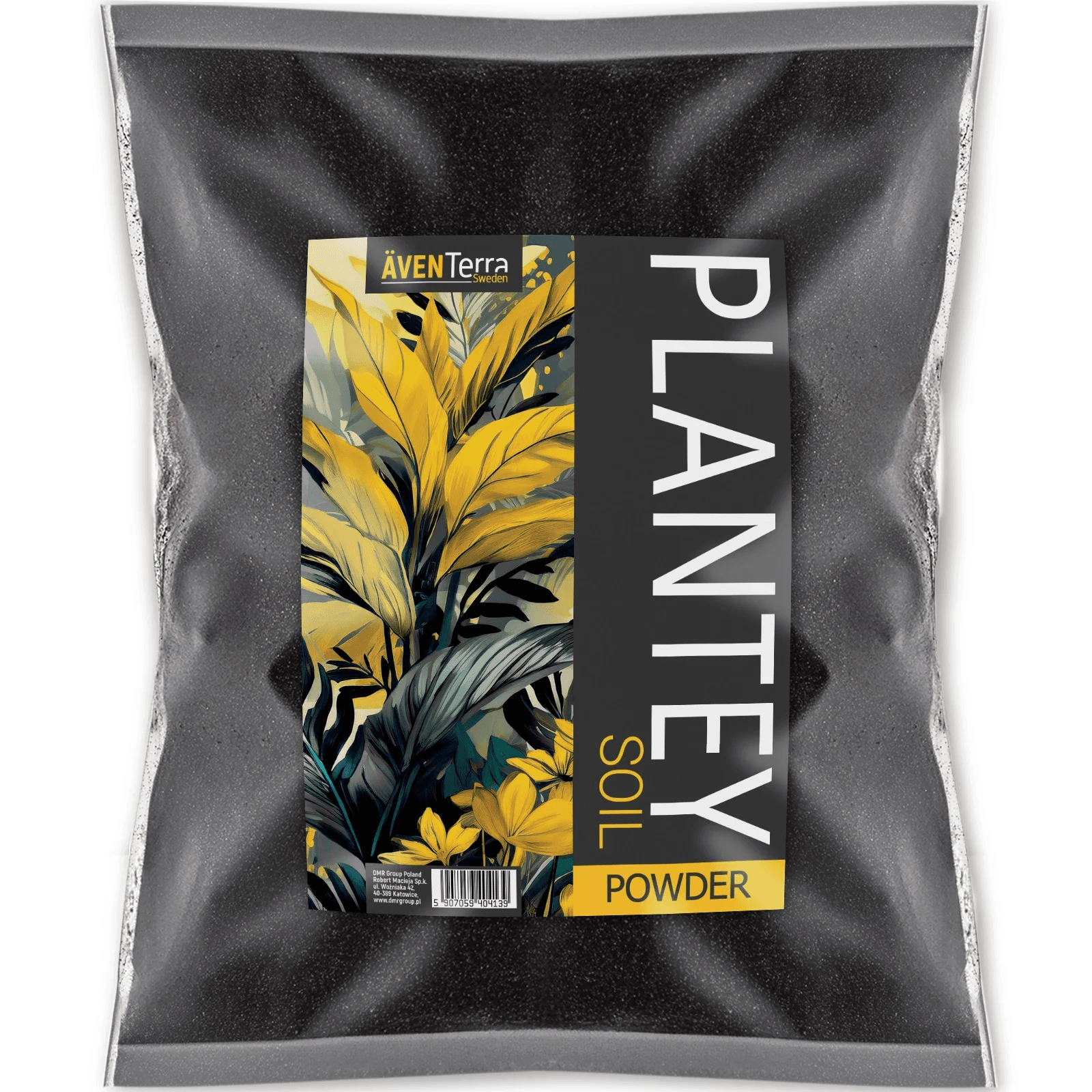
from€3.99
Unit price: €1.00 / l

from€7.99
Unit price: €1.33 / l
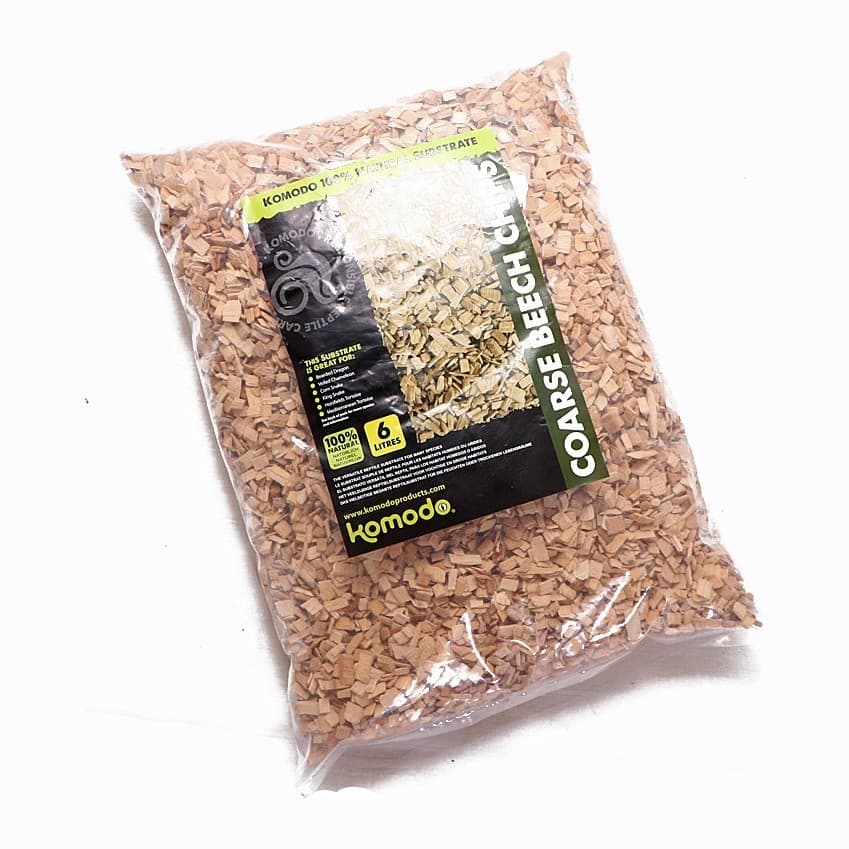
€10.99
Unit price: €1.83 / l
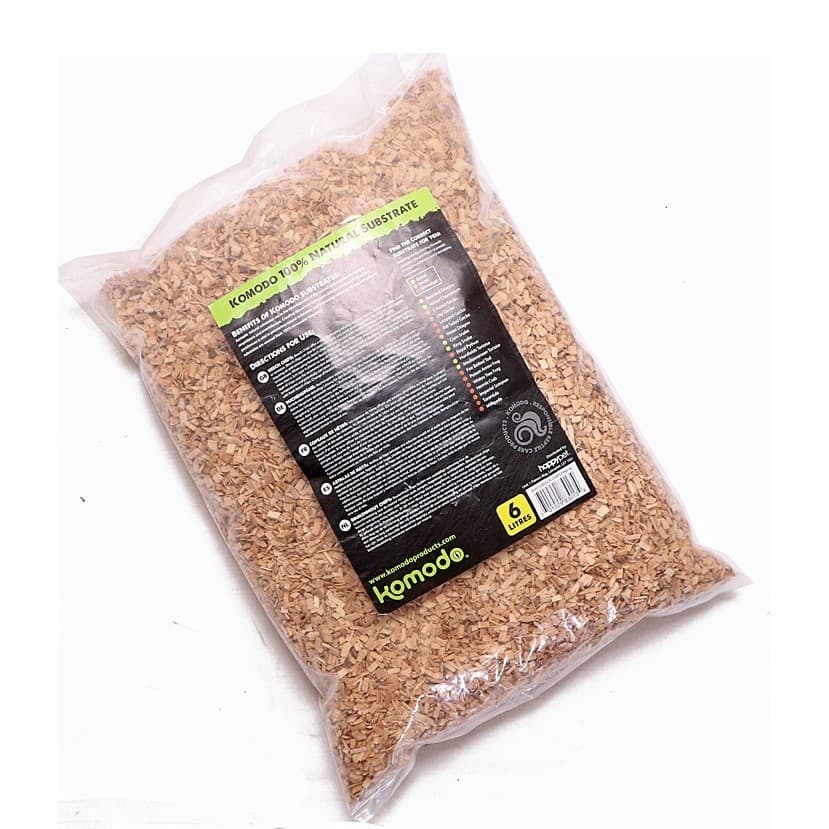
€10.99
Unit price: €1.83 / l
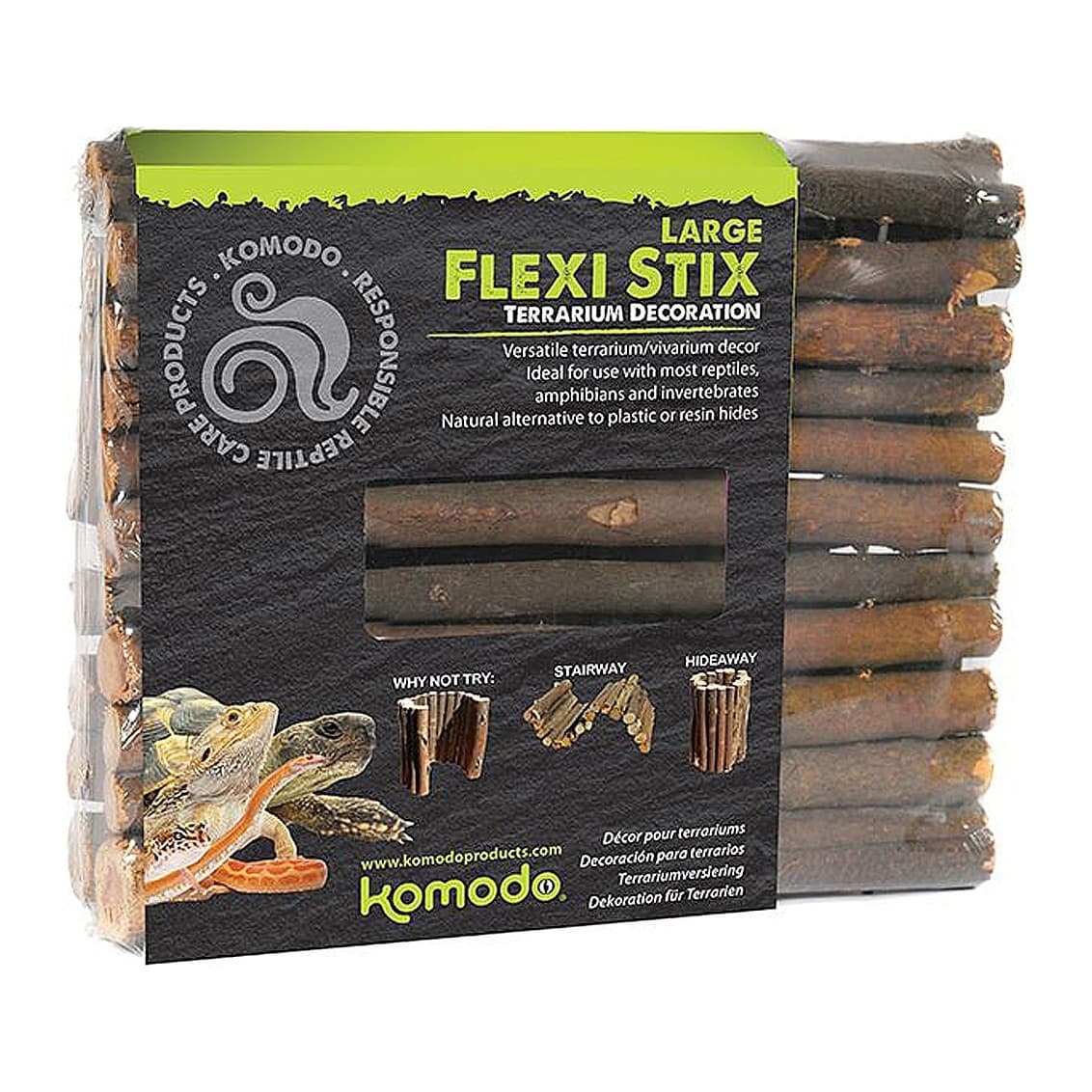
€7.99
Unit price: €79.90 / kg
Advice and care
How to choose terrarium equipment
It all starts with the animal: its habitat sets the terrarium's shape, climate and lighting.
Shape by species
Choose a wide terrarium for ground dwellers and a tall one for climbers.
Warm and cool
Put the heat source at one end so the animal can choose between warm and cool.
Humidity and substrate
Desert species need dry sand, tropical ones a moisture-holding coconut fibre or moss.
Frequently asked questions
Does a reptile need a UVB lamp?
Diurnal reptiles such as bearded dragons and turtles need UVB to make vitamin D3 and absorb calcium. Nocturnal species need less of it, but the right warmth matters for them too.
How do I check temperature and humidity?
Use a thermo-hygrometer and measure at both the warm and the cool end. Connect heating to a thermostat to prevent overheating.
Read more
A terrarium has to stand in for the sun, the climate and the hiding places an animal would have in the wild. Before buying equipment, find out whether your species is active by day or night, how large it grows and what temperature and humidity it needs. That decides the enclosure size, heat source, lighting and substrate.
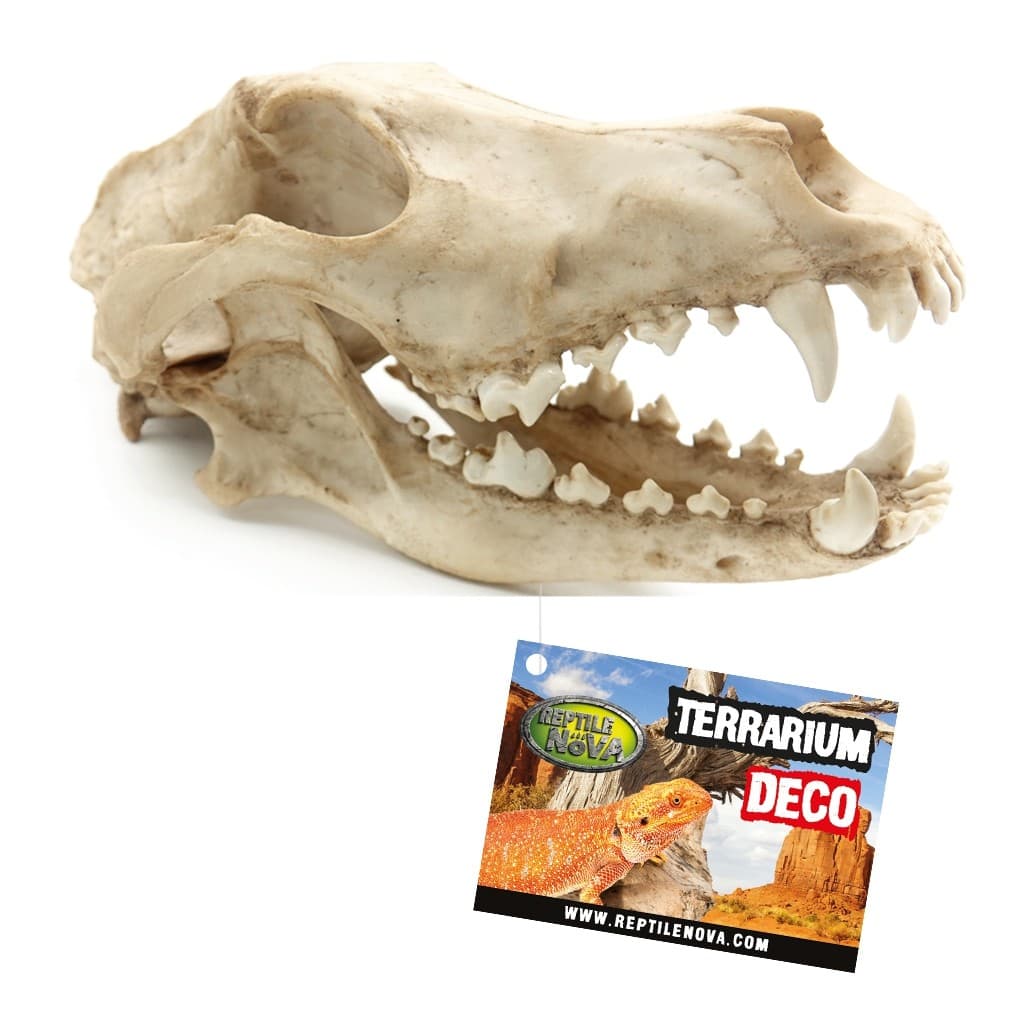
Glass terrariums hold heat and humidity well; mesh suits species that need strong ventilation. Diurnal reptiles need a UVB lamp alongside the basking lamp. UVB output fades even while the bulb still lights up, so replace it at the interval the manufacturer recommends. Hides and decorations reduce stress and give the animal places to climb.
A common mistake is buying a small terrarium for a juvenile that will soon outgrow it. Another is placing it by a window, where sun can overheat it. Check the climate before the animal moves in.