

Terrariums and Stands
Glass, acrylic and mesh terrariums, faunariums, insect boxes and ant farms for reptiles and insects.
Advice and care
How to choose a terrarium
Go by the animal's adult size and way of life, not by how small it is now.
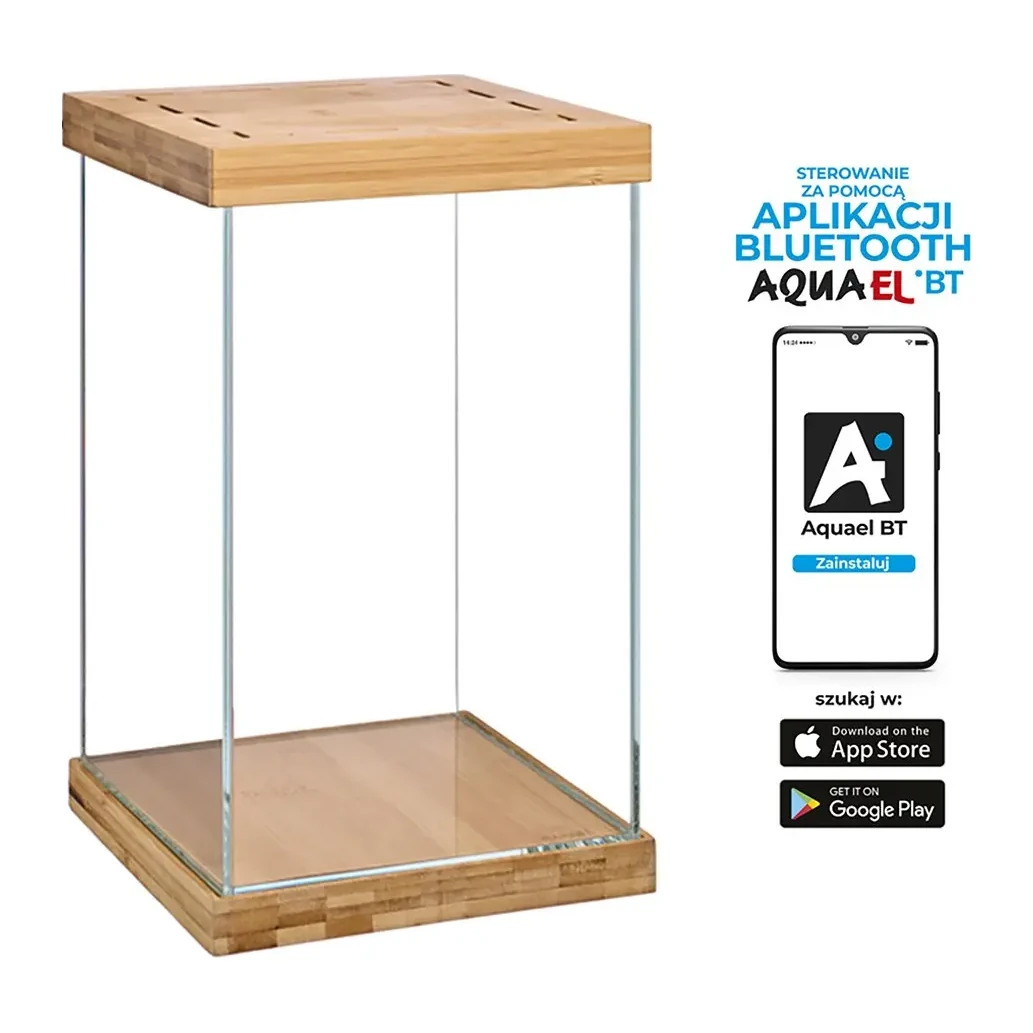
Wide or tall
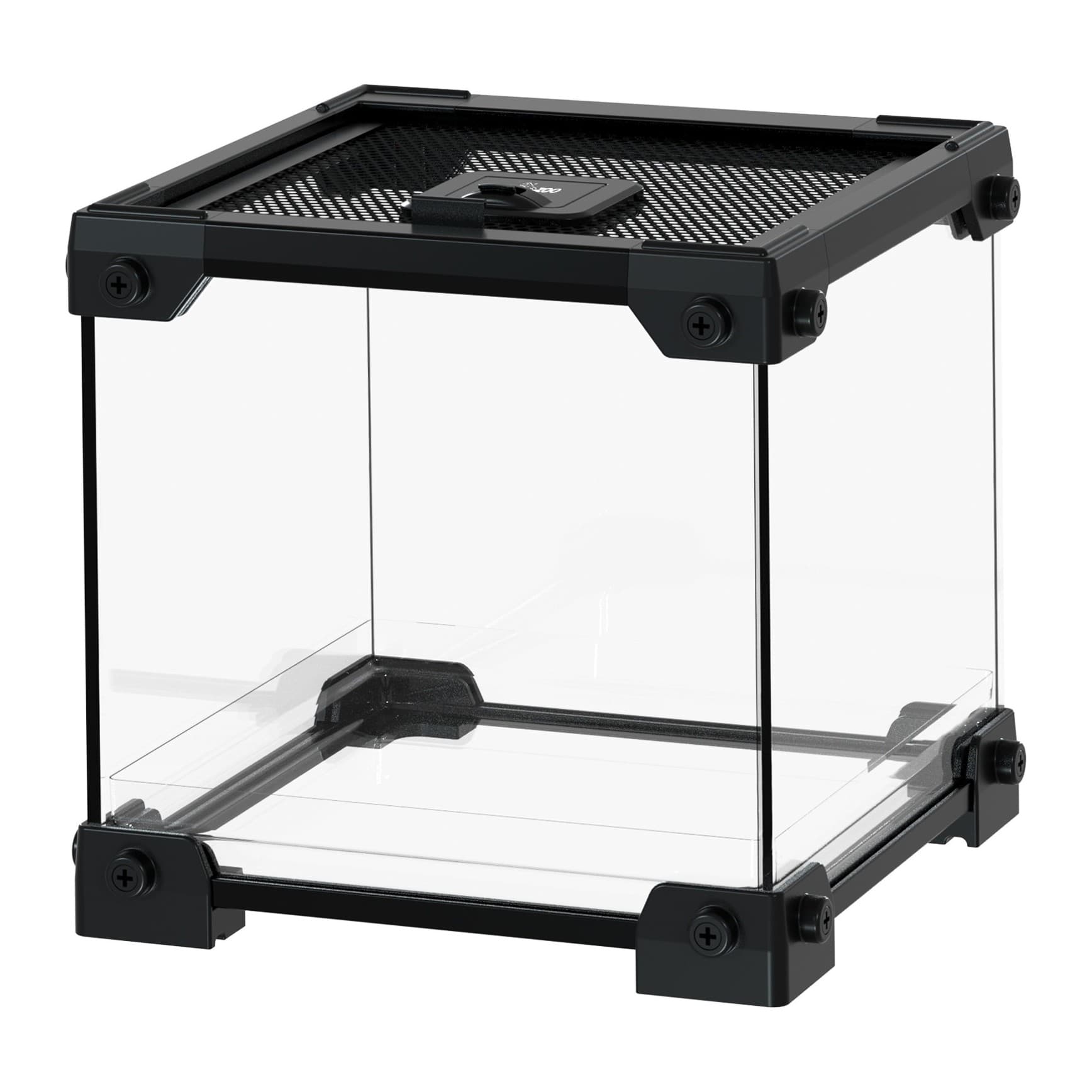
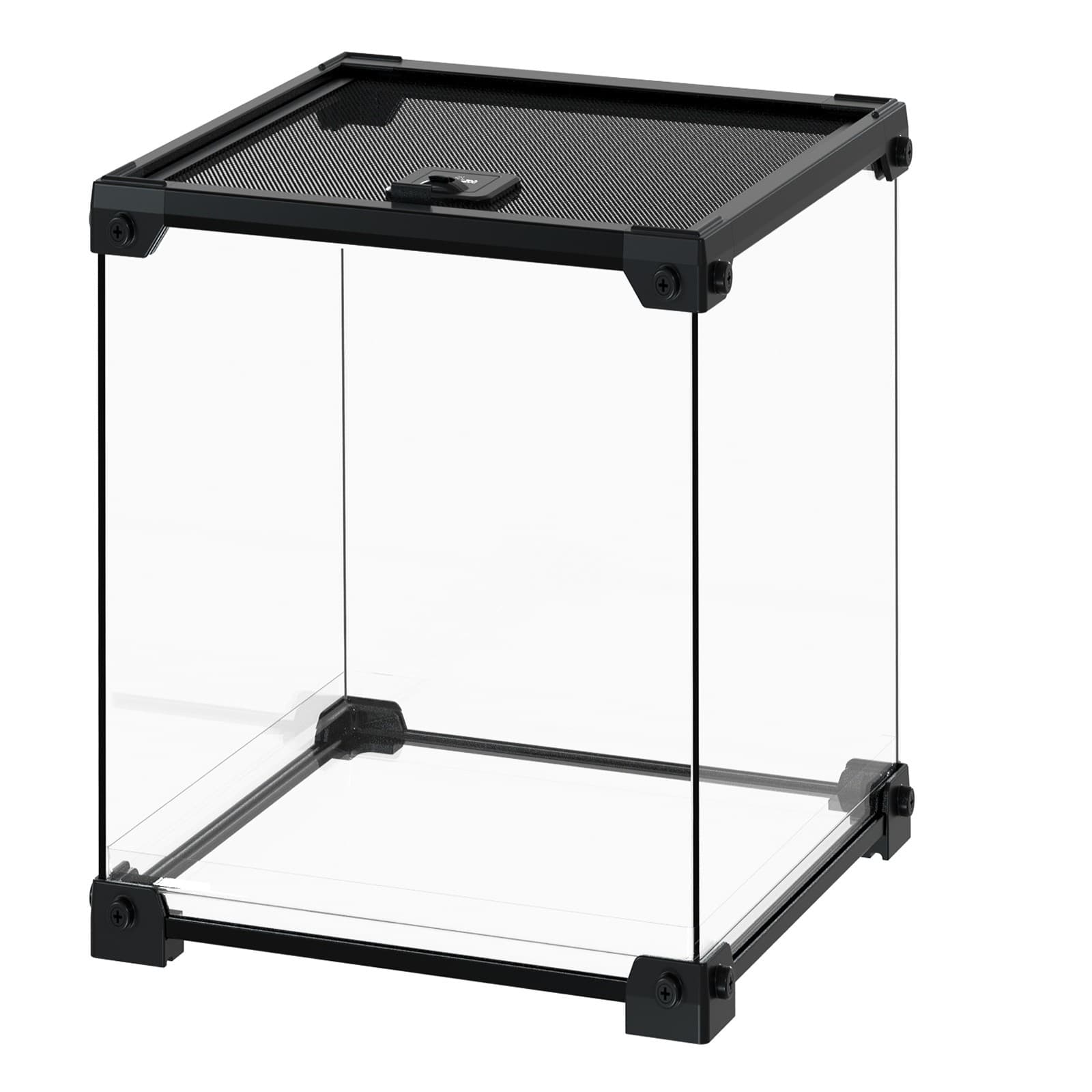
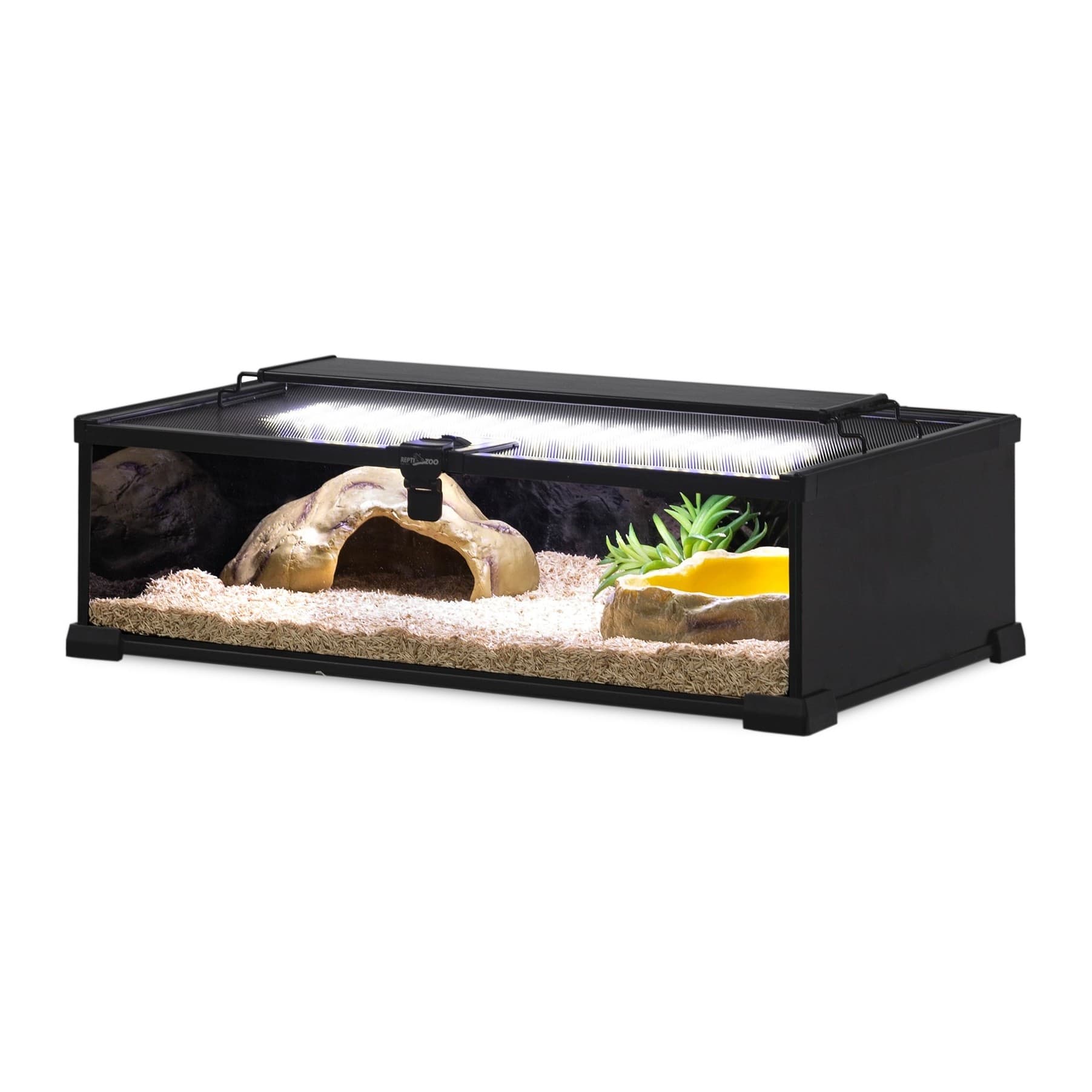
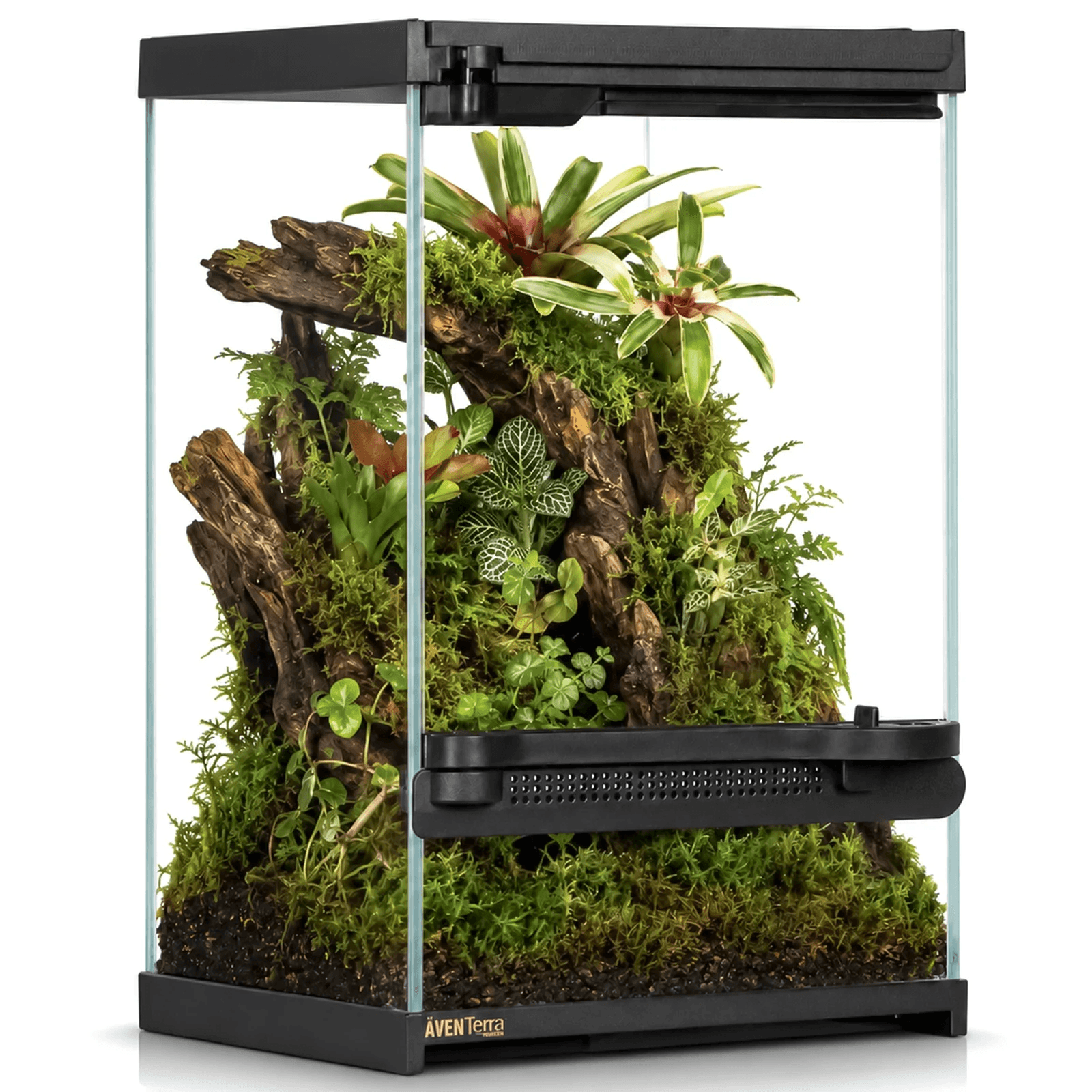
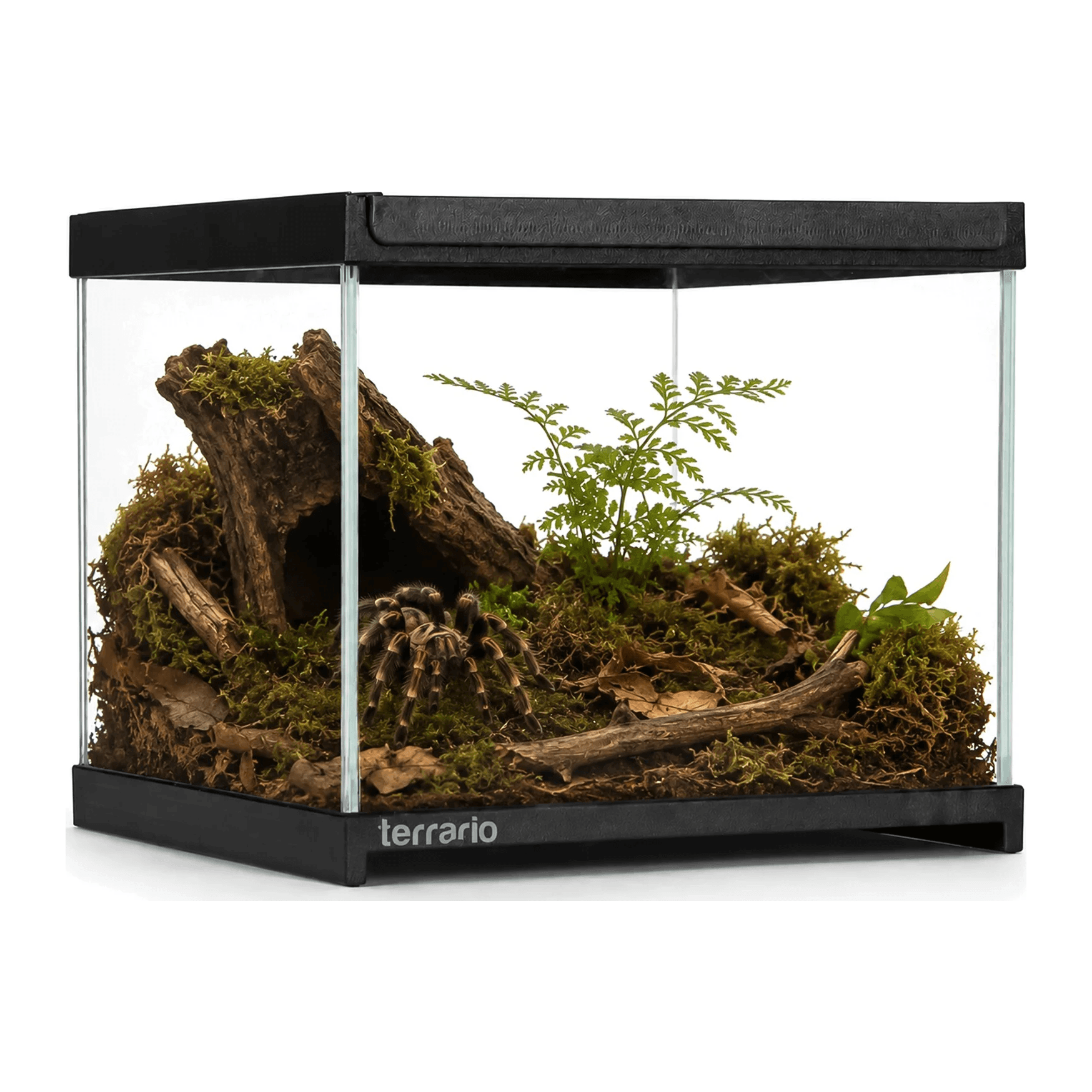
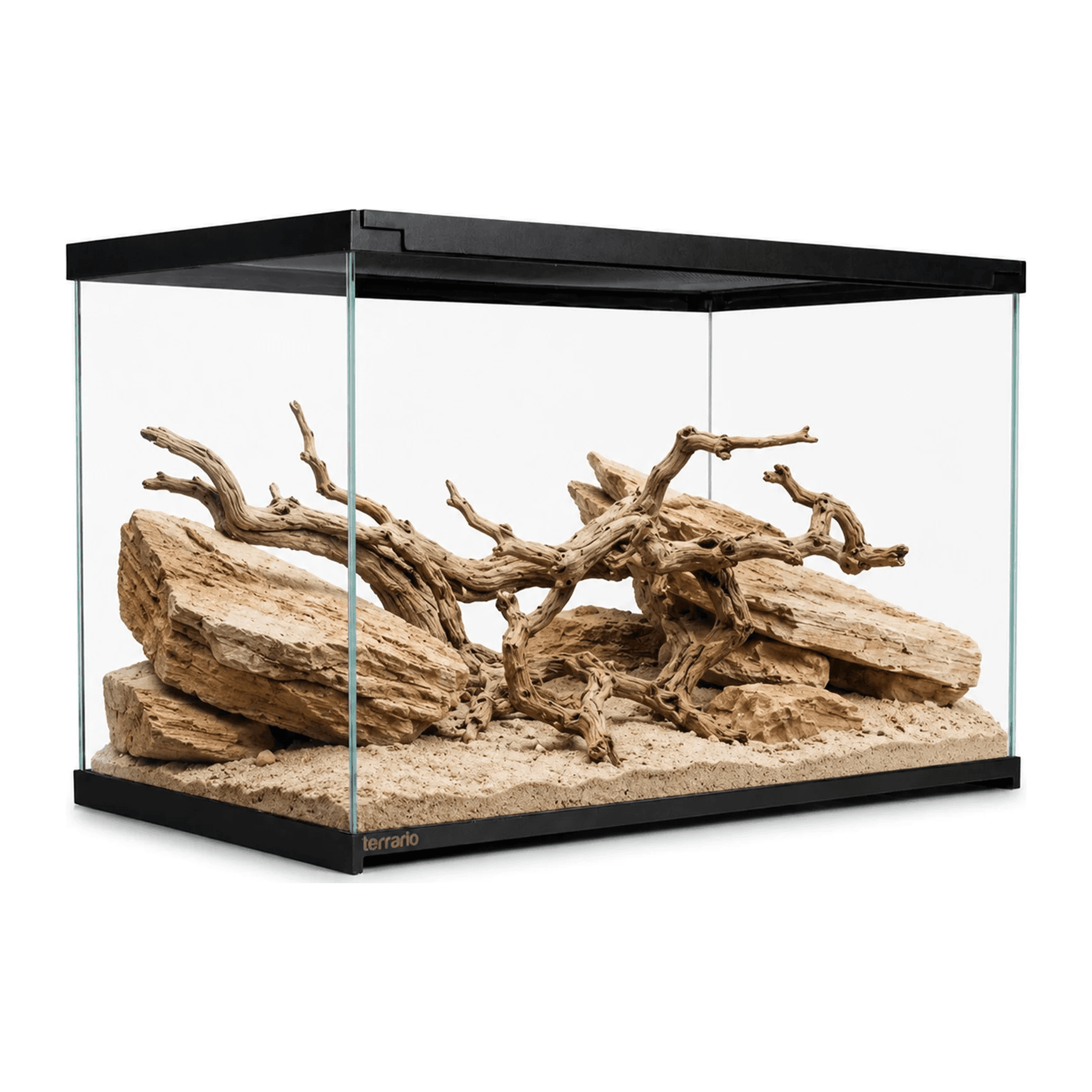
Choose wide and low for ground dwellers, tall for climbers.
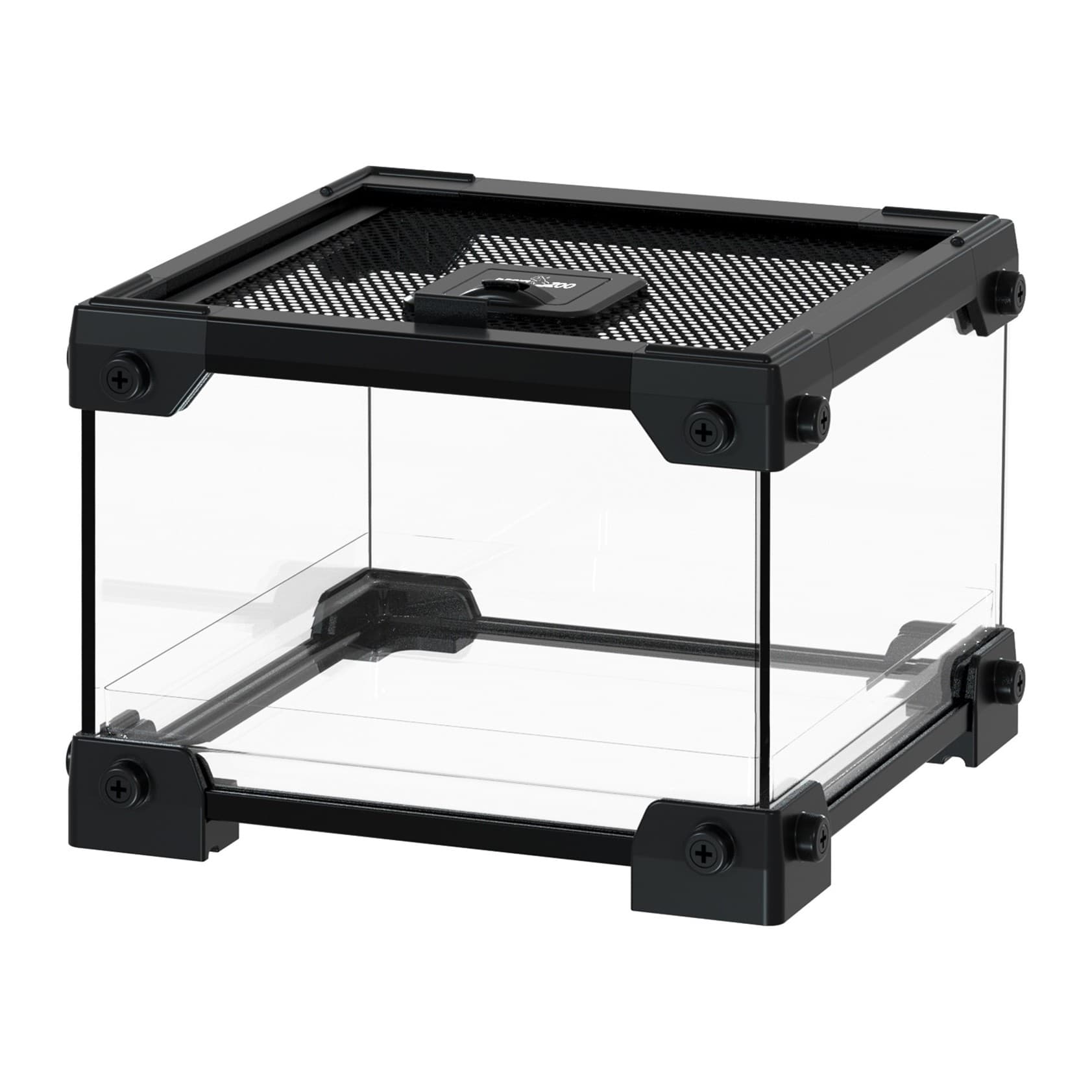
Glass or mesh
Glass holds heat and humidity; mesh gives chameleons and mantises good ventilation.
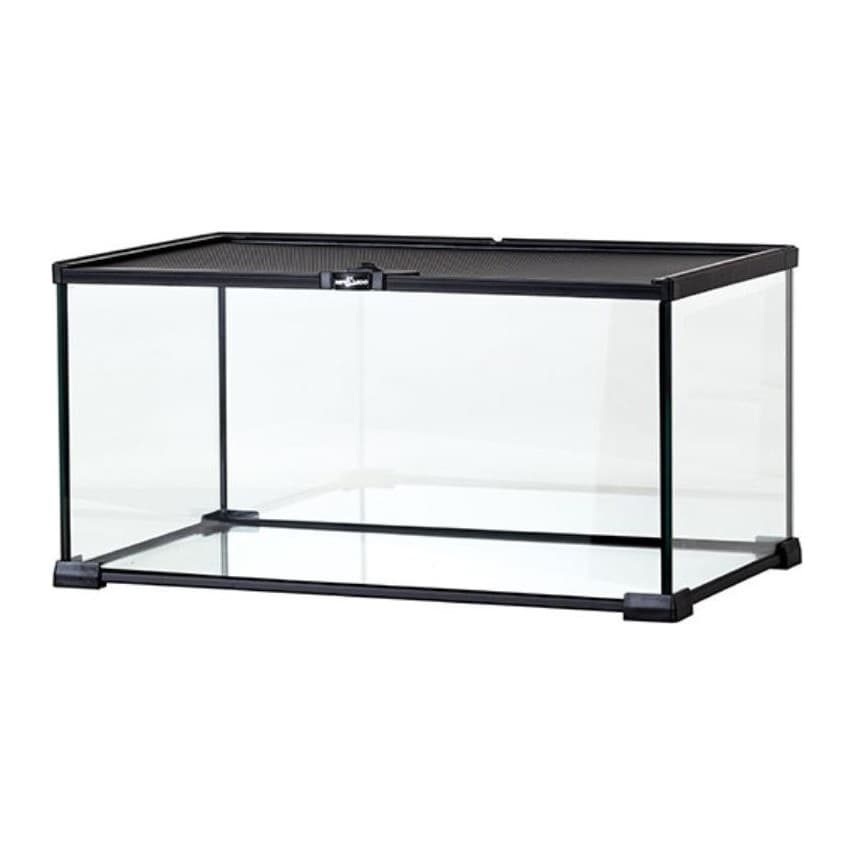
Front doors
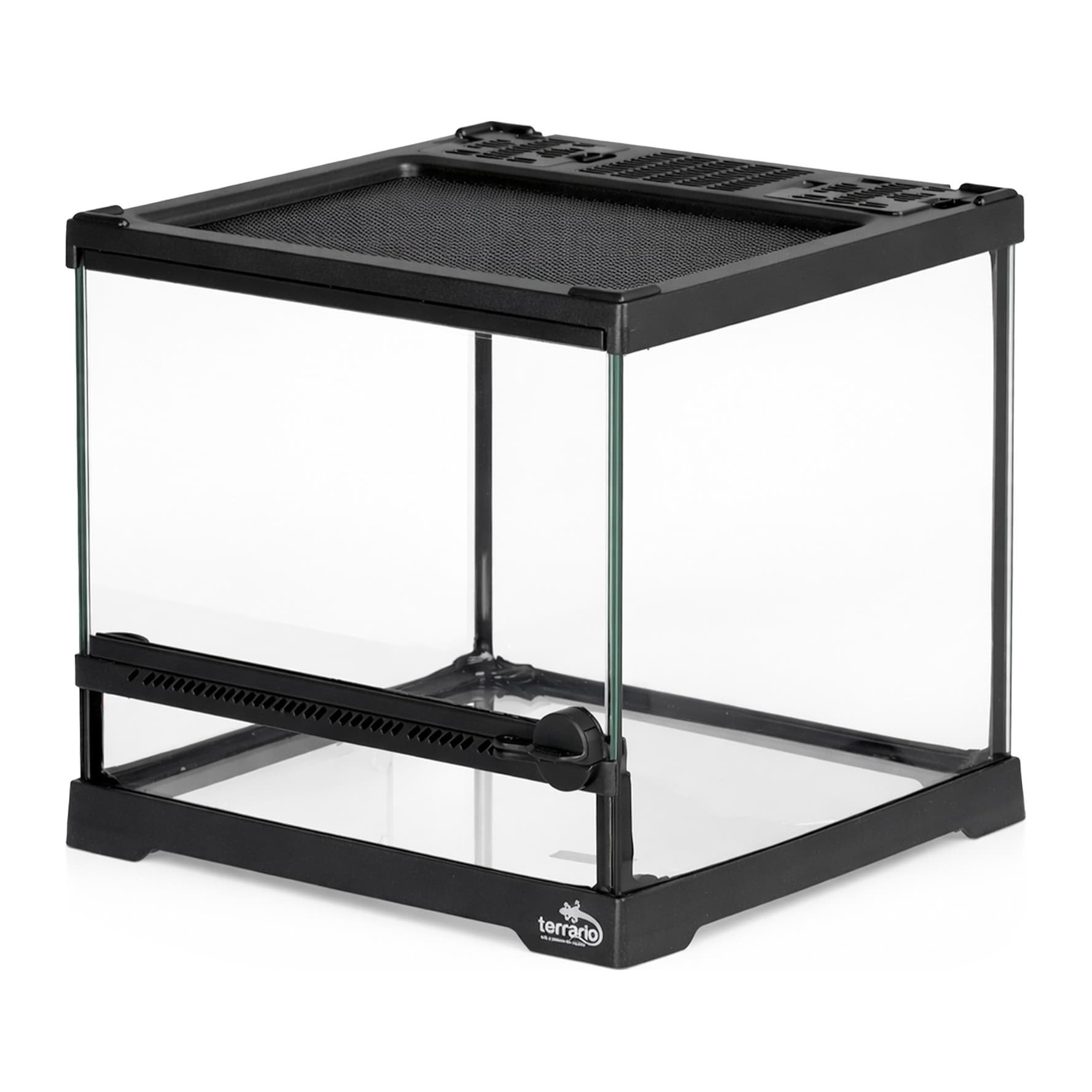
Front doors make feeding and cleaning easy without scaring the animal from above.
Popular brands
All brandsFrequently asked questions
How big does a terrarium need to be?
It depends on the species and the animal's adult size, so follow the care guidance for that species. A young animal can live in a smaller terrarium or faunarium for a while.
What is a faunarium for?
A small plastic box for insects, young animals, quarantine and transport. It is not a permanent home for an adult reptile.
Read more
A terrarium needs a temperature gradient: a warm spot at one end and a cooler retreat at the other. That lets the animal regulate its own body temperature. In a terrarium that is too small the gradient never forms, and the animal is always either too warm or too cool.
The material shapes the climate. A glass terrarium holds humidity and heat and suits tropical species; a mesh terrarium lets air move freely and suits species that do not tolerate stale, damp air. Acrylic faunariums and insect boxes are light and suit insects, young animals and temporary housing.
Before buying, measure the spot where the terrarium will stand and leave room above the lid for lamps. Check that the doors close tightly, because snakes and geckos find the smallest gap. Think about the stand as well: a furnished terrarium with substrate and decor is heavy.