

Technology
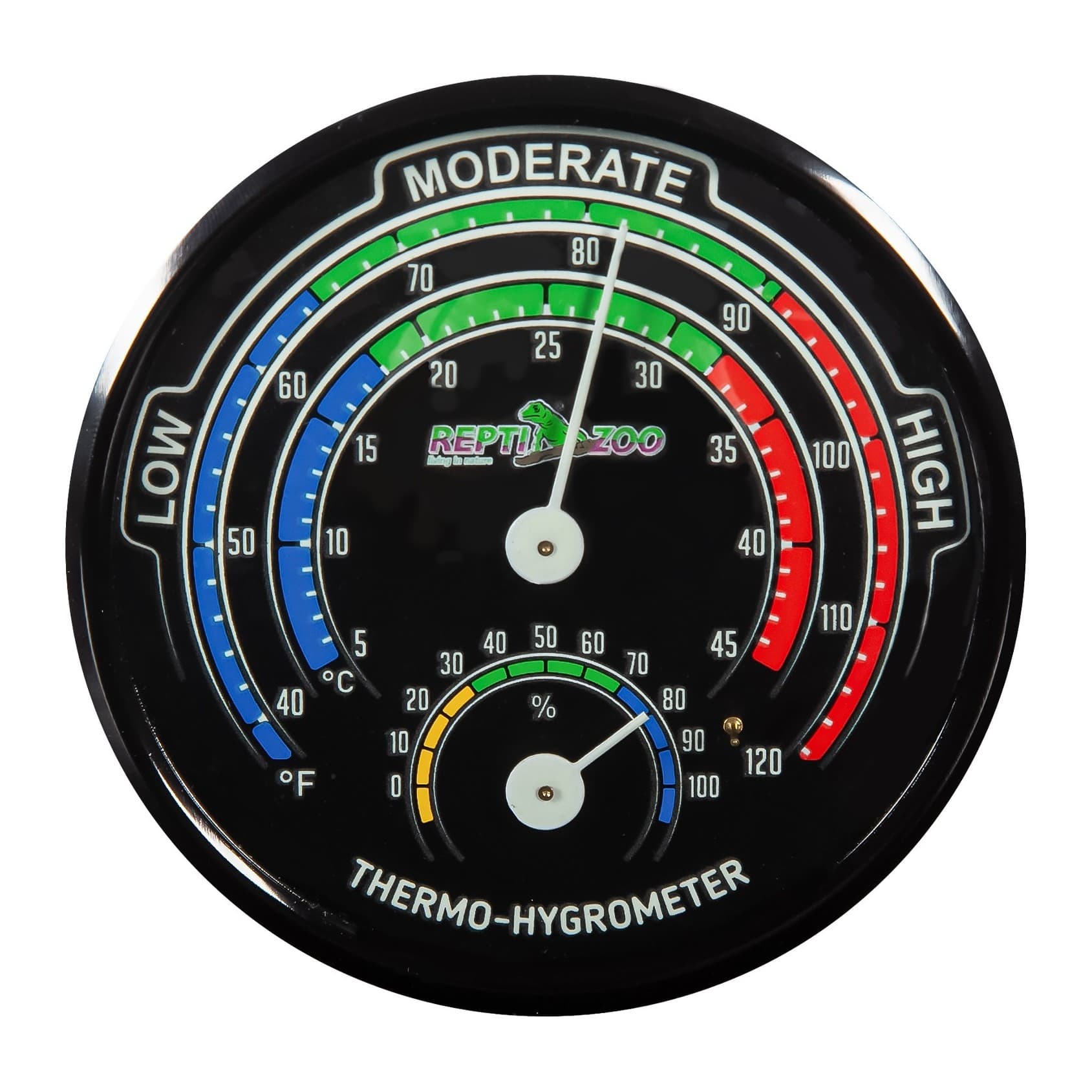
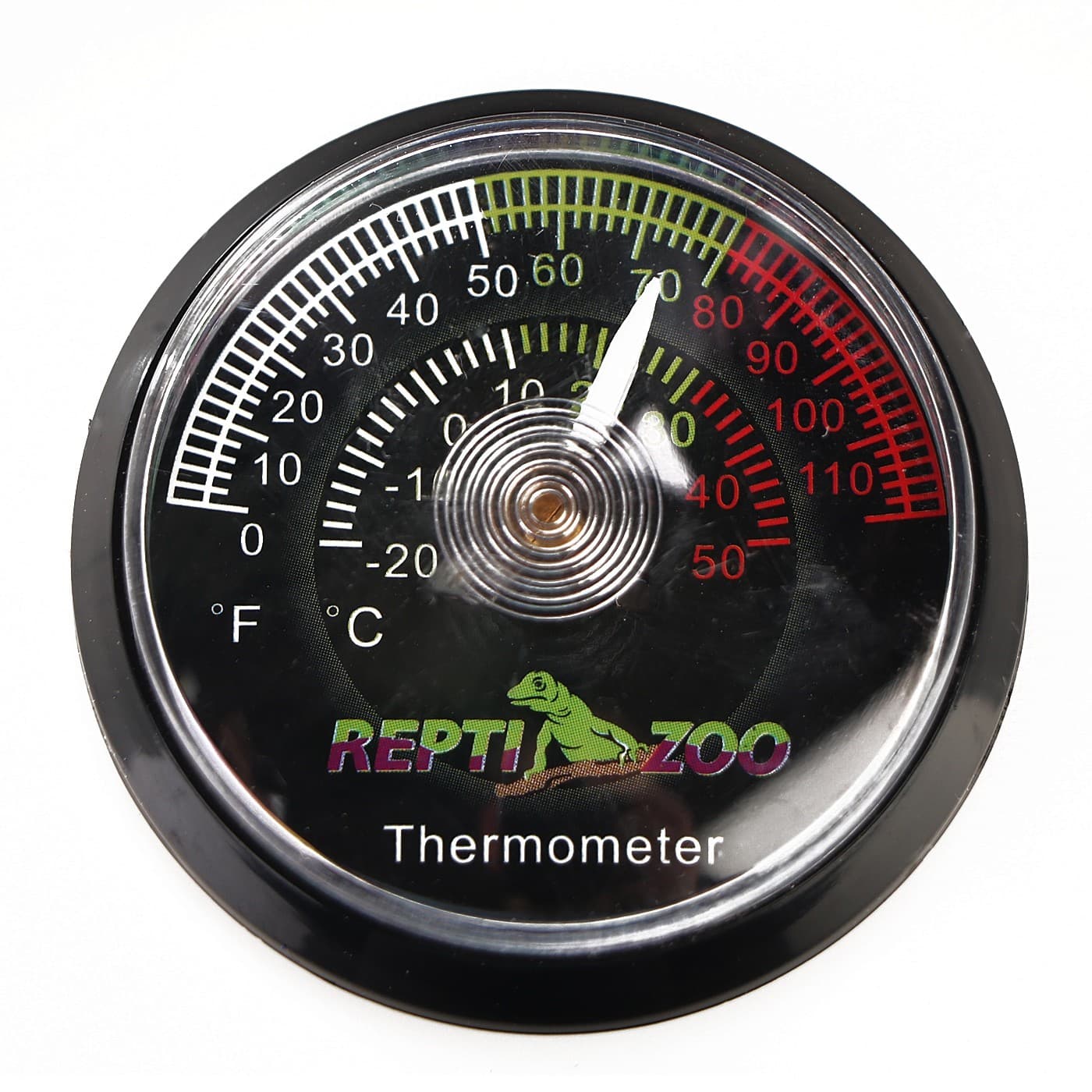
Heat mats, a temperature controller, thermometers, hygrometers and a drinking fountain for the terrarium climate.
How to choose?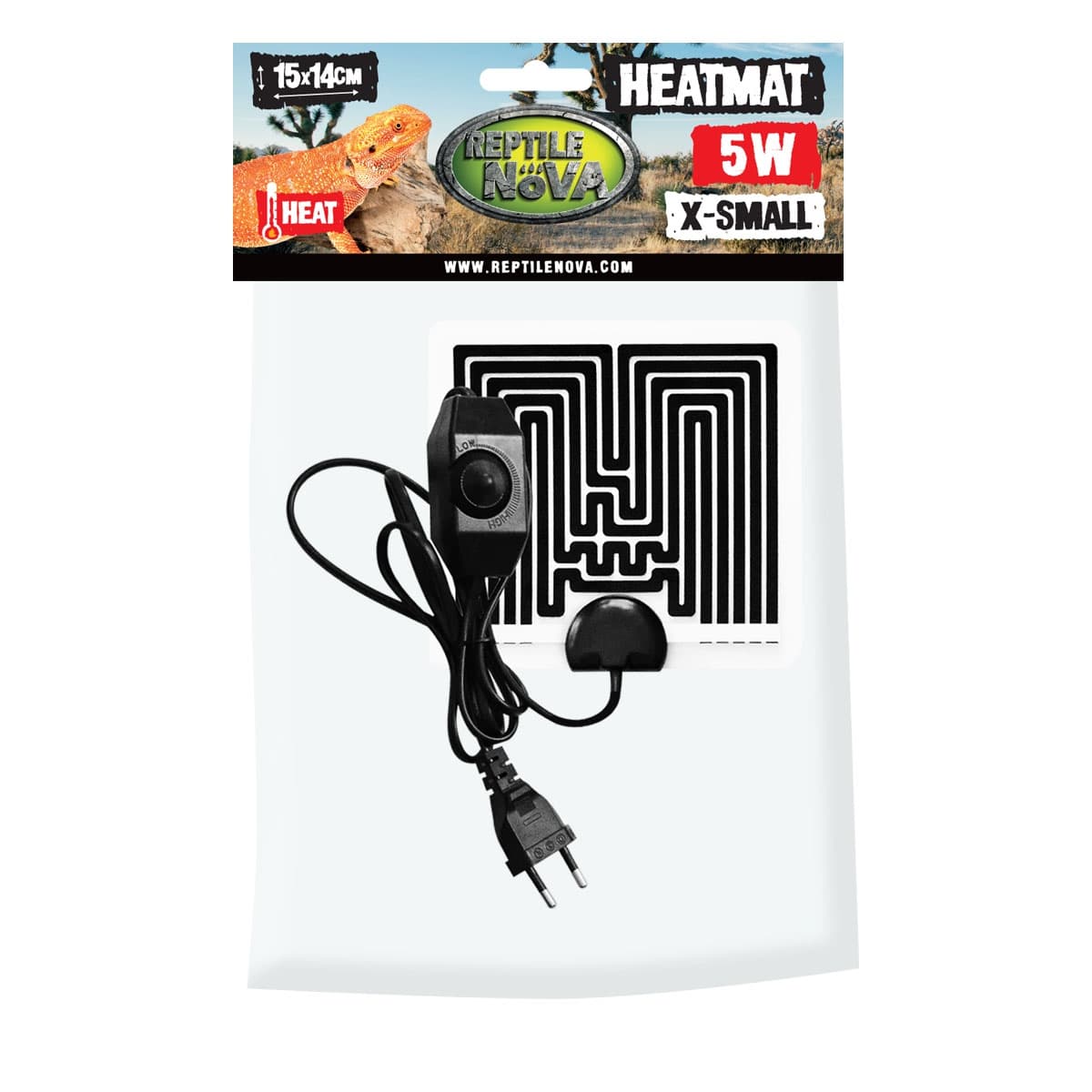

Advice and care
How to choose terrarium technology
Heating and measuring go together: a thermostat for every heat source, a gauge for every terrarium.
Thermostat
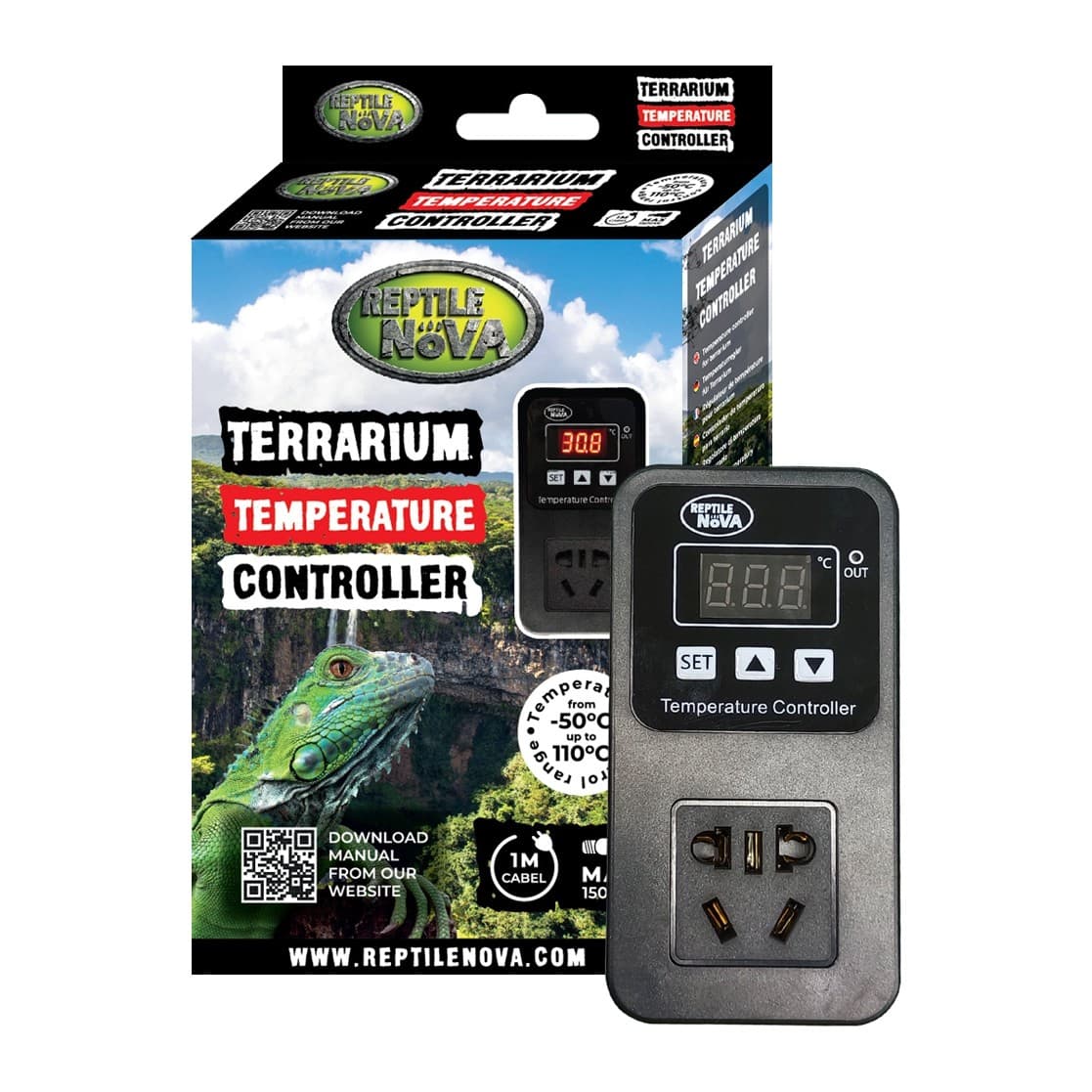
Connect heat mats and lamps to a thermostat to prevent overheating.
Humidity
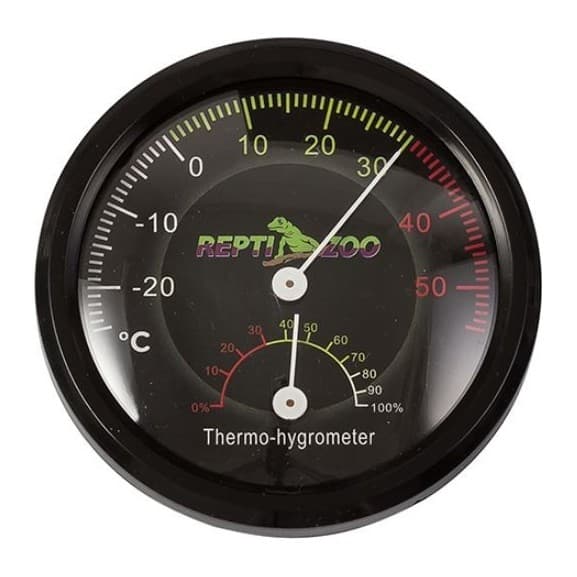
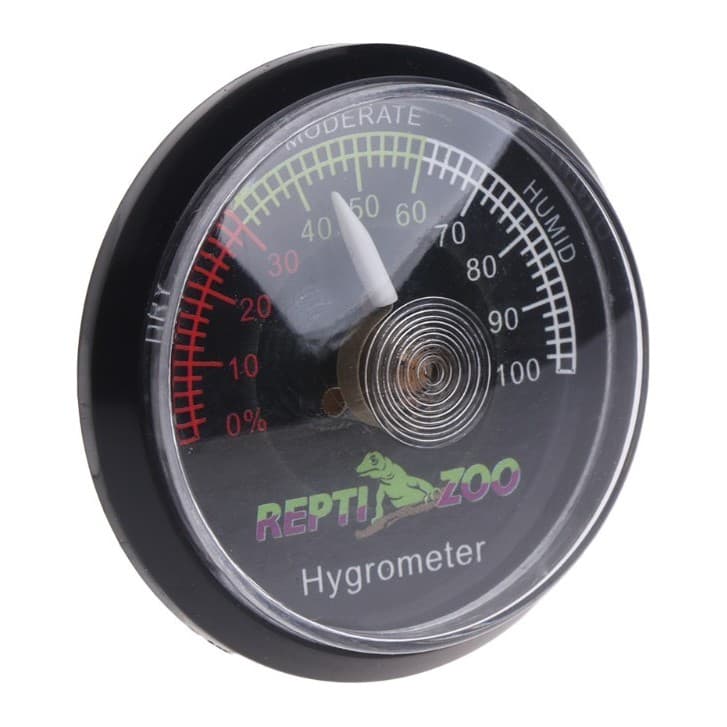
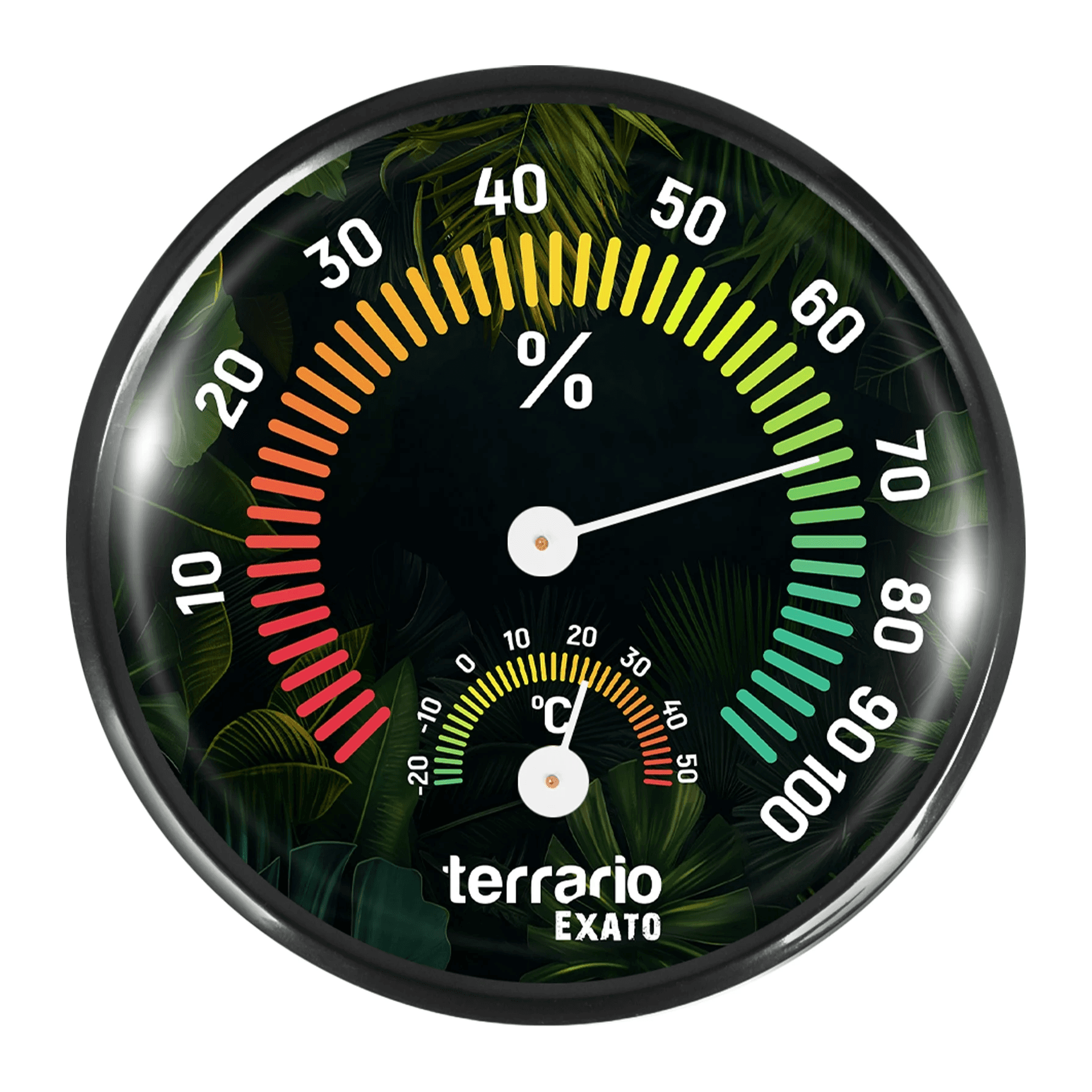
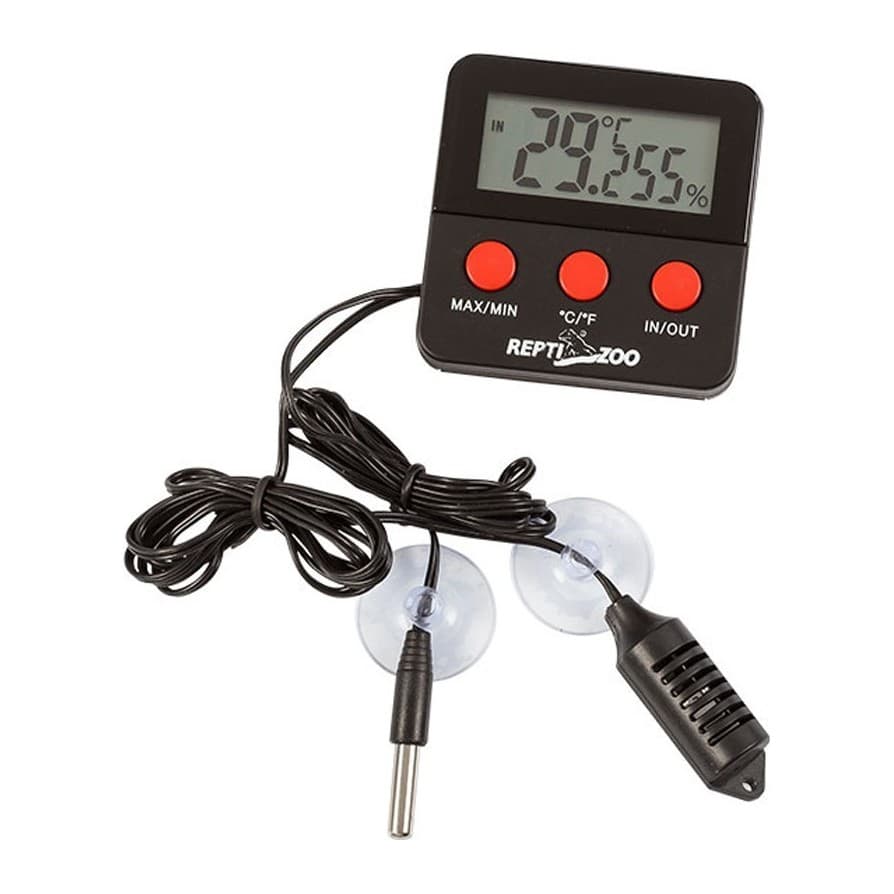
A hygrometer shows whether a tropical terrarium is humid enough.
Moving water
A drinking fountain gets species that ignore still water to drink.
Popular brands
All brandsFrequently asked questions
Where should a heat mat go?
At one end of the terrarium, so the animal can choose between warm and cooler. The mat must not cover the whole floor.
Digital or analogue gauge?
A digital gauge is more accurate and easier to read; an analogue one needs no battery. What matters is measuring at the animal's level.
Read more
Reptiles and amphibians regulate their body temperature through their surroundings, so the climate in the terrarium underpins their metabolism, digestion and immunity. The right equipment lets you create that climate and keep checking it rather than relying on guesswork.
A heat mat gives gentle warmth from below and suits nocturnal and ground-dwelling species in particular. Diurnal and climbing species tend to take their heat from above, from a basking lamp. Install the mat according to the manufacturer's instructions so the animal cannot touch it directly or burrow underneath it.
Check the gauge reading against a second thermometer from time to time, especially if the animal behaves unusually. At night the temperature may drop as it would in nature, but not below the limit suitable for the species. A terrarium in a cold room needs night-time heat that gives off no light.